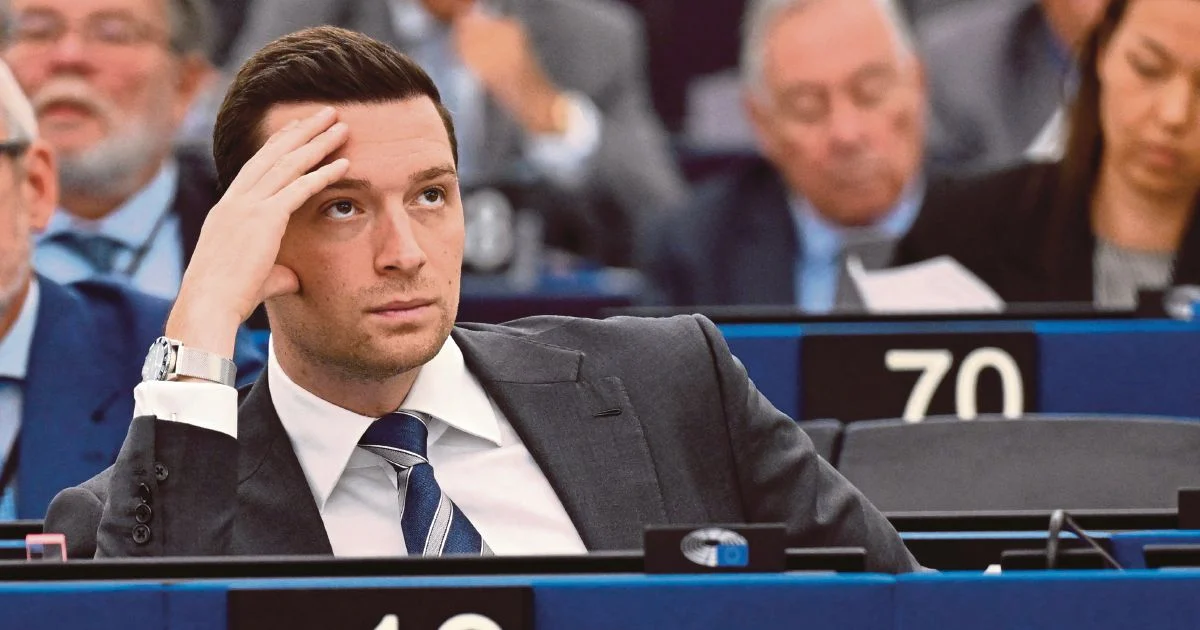
A French anti-corruption watchdog has initiated an inquiry into claims surrounding Jordan Bardella, a prominent figure in France's far-right National Rally party, regarding an allegedly fictitious position he once held within the European Parliament. The development, announced publicly on Tuesday, focuses on whether Bardella received compensation for work that was never actually performed during his time as a parliamentary aide in Brussels. His party has firmly disputed the accusations, characterising them as politically motivated attacks ahead of potential electoral contests.
The allegations against Bardella represent a significant controversy in French politics, particularly as the National Rally continues to consolidate its position as a major political force in Europe. If substantiated, such accusations could damage the credibility of both Bardella personally and his party more broadly, given France's historical sensitivity to corruption scandals among senior politicians. The investigation underscores ongoing tensions between different political camps in France regarding governance standards and accountability.
The investigation's focus on employment practices within European institutions is particularly relevant given the visibility such positions receive. Parliament jobs in Brussels and Strasbourg have periodically attracted scrutiny from watchdogs and journalists investigating whether assistants genuinely perform the duties for which they are compensated. These positions, often filled by party loyalists, have sometimes been criticized as vehicles for distributing political patronage rather than genuine administrative support.
Bardella's role within the National Rally has grown increasingly significant in recent years. As a figure widely regarded as a potential standard-bearer for his party in future presidential contests, any legal complications would reverberate through French politics. The National Rally, which has undergone substantial efforts to modernise its image and broaden its appeal beyond core constituencies, faces reputational risks when members face corruption allegations, regardless of their ultimate outcome.
The timing of the investigation's public announcement carries political implications for France's volatile electoral landscape. Corruption probes targeting prominent opposition figures often intersect with campaign schedules and public opinion dynamics. The National Rally has previously portrayed itself as a challenger to what it characterises as an entrenched establishment, making accusations of impropriety particularly sensitive within this political narrative.
For Southeast Asian observers, this development illustrates patterns visible across multiple democracies regarding how opposition parties navigate institutional scrutiny. The tension between legitimate oversight of parliamentary employment practices and politically-timed investigations touches on broader questions about regulatory independence and the weaponisation of institutional mechanisms. Similar dynamics have occasionally emerged in regional politics, where questions about assistant positions and fund usage have generated considerable controversy.
The European Parliament itself has faced periodic criticism over employment practices and financial transparency. While the institution has implemented various reforms to enhance accountability, questions occasionally surface regarding whether all assistant positions correspond to genuine administrative needs. The Bardella case, should it proceed to conclusive findings, could influence broader conversations about parliamentary employment standards across EU member states.
Barella's party categorically rejects the allegations, positioning itself as a victim of institutional bias. This defensive stance is characteristic of opposition parties facing investigations, whether in France or elsewhere. The National Rally's communications strategy will likely emphasise what it views as disproportionate scrutiny applied to its members compared to establishment parties, an argument that has proven persuasive among its base supporters.
The investigation's outcome remains uncertain, and anti-corruption authorities typically require substantial evidence before concluding their inquiries. French legal proceedings involving public figures often extend over considerable timeframes, meaning clarity on Bardella's situation may not emerge quickly. Meanwhile, the mere fact of investigation can influence political calculations, affecting both his personal trajectory and broader party strategy.
For France, this controversy represents another chapter in the ongoing political evolution that has seen the National Rally transition from electoral irrelevance to genuine contention for power. How anti-corruption institutions handle allegations against figures from all political camps remains central to public confidence in governance. This case will inevitably be scrutinised not only for its factual findings but also for perceptions regarding whether investigative processes operate consistently across the political spectrum, a concern that transcends French borders and resonates throughout established democracies.

