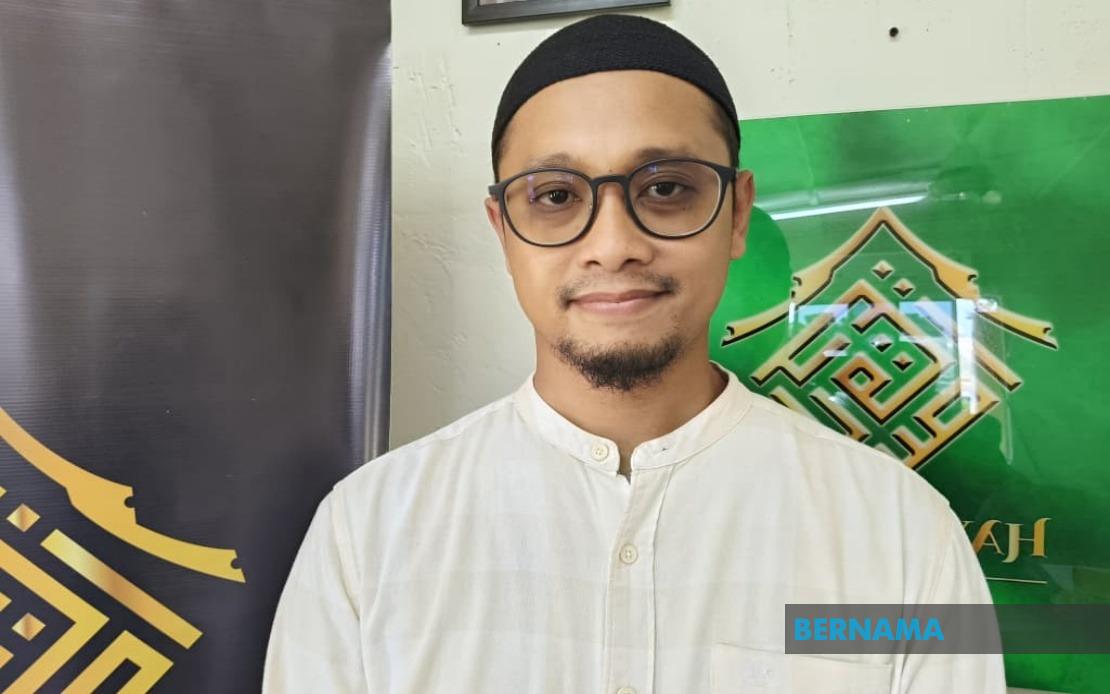
Mohd Rasli Hassan's trajectory from childhood drug abuse to certified rehabilitation coach represents more than a personal redemption story—it illuminates the potential within structured recovery pathways that combine vocational training with therapeutic intervention. The 52-year-old, who spent decades entangled in substance dependency, has emerged as a living testament to rehabilitation programmes that extend beyond conventional treatment to offer participants a pathway toward meaningful employment and social reintegration. His completion of the Academy in Industry programme at Rumah Rakan Islah, a private rehabilitation facility in Setiu, Terengganu, marks a significant milestone not only for his own recovery but also for understanding how Malaysian rehabilitation centres can bridge the gap between treatment completion and productive reentry into society.
Mohd Rasli's descent into addiction began remarkably early. At just 11 years old while residing in Pasir Mas, Kelantan, he initiated drug use, a habit that remained undetected within his family circle for eight years until police intervention forced the issue into the open. This extended period of hidden addiction underscores a broader challenge facing Malaysian families and communities—the difficulty in identifying substance abuse among young people and intervening before dependency solidifies. His subsequent placement at the Kuala Terengganu National Anti-Drug Agency for seven months provided immediate crisis intervention, but what ultimately catalysed his transformation was the longer-term commitment he demonstrated afterward, transitioning into a peer support counsellor role at the rehabilitation centre from 2017 through 2024.
The Academy in Industry programme represents an evolving approach within Malaysian rehabilitation services. Rather than focusing exclusively on psychological recovery or abstinence maintenance, the one-year initiative integrates vocational skill development, including agricultural training, with cognitive and emotional rehabilitation. Mohd Rasli describes the experience as fundamentally reshaping his worldview and rebuilding confidence that years of addiction had systematically eroded. This holistic methodology addresses a critical gap in traditional rehabilitation: many individuals completing abstinence-based programmes struggle to identify purpose or economic opportunity afterward, creating vulnerability to relapse. By equipping participants with marketable skills alongside therapeutic support, the programme positions graduates for sustainable independence.
Selection criteria for the Academy in Industry programme reveal institutional sophistication in programme design. Participants must demonstrate at least five years of sustained recovery from drug abuse and express genuine willingness to engage in both training and subsequent employment. This threshold ensures participants possess sufficient psychological stability and commitment to benefit from intensive vocational preparation. Muhammad Anas Mohd Nasar, the academic director and manager at Rumah Rakan Islah, emphasises that these prerequisites are non-negotiable, filtering for individuals most likely to succeed. The first cohort of ten participants all successfully completed the programme and received professional diplomas, suggesting strong programme retention and efficacy.
What distinguishes the Academy in Industry from conventional rehabilitation programming is its systematic documentation and formalisation of previously informal practices. Muhammad Anas explains that Rumah Rakan Islah had long employed similar rehabilitation methodologies and therapeutic approaches, but without formal curricula or standardised modules. Collaboration with the Malaysia Productivity Corporation transformed these accumulated experiences into a structured six-module syllabus covering rehabilitation methodology, various therapeutic techniques, and skills training. This professionalisation enhances programme credibility, enables consistency across cohorts, and facilitates potential replication at other rehabilitation facilities seeking evidence-based frameworks.
The institutional partnership model underpinning the programme deserves particular attention for regional policymakers. By collaborating with the Malaysia Productivity Corporation, Rumah Rakan Islah accessed expertise in workforce development and competency frameworks. Additionally, ongoing partnerships with the Malaysian Substance Abuse Council and engagements with Universiti Sains Islam Malaysia and Universiti Putra Malaysia embed academic rigour and research perspective into practitioner-led rehabilitation work. These multi-stakeholder arrangements create ecosystems where rehabilitation centres transition from isolated treatment facilities into integrated components of broader substance abuse prevention and recovery networks.
Mohd Rasli's personal narrative carries particular resonance for Malaysian contexts given the nation's ongoing struggle with substance abuse. Drug dependency rates remain persistently elevated across the region, with treatment capacity frequently strained and relapse rates among discharged clients running high. The transition from dependent to counsellor represents a meaningful reduction in recidivism risk, as individuals who achieve stable recovery and professional roles within their recovery communities demonstrate significantly lower relapse rates than those without employment or purpose. By creating pathways for recovered individuals to become rehabilitation workers themselves, centres like Rumah Rakan Islah multiply their therapeutic capacity while simultaneously generating sustainable livelihoods for programme graduates.
The economic dimensions of recovery programming merit consideration within Malaysia's broader workforce development strategy. Individuals completing rehabilitation programmes represent an underutilised labour pool possessing both lived experience in addiction recovery and formal vocational credentials. Agricultural training components, in particular, align with rural development initiatives across Kelantan and Terengganu, offering opportunities for recovered individuals to contribute to economic activity while maintaining supportive community connections. This economic integration transforms rehabilitation from a social service expenditure into an investment generating human capital and productive capacity.
From a policy perspective, Mohd Rasli's achievement suggests that existing rehabilitation infrastructure requires not necessarily expansion but rather sophistication and systematisation. Many Malaysian rehabilitation centres possess accumulated knowledge and effective practices that remain undocumented and disconnected from broader professional frameworks. The Academy in Industry model—combining formalised curriculum, industry partnerships, and employment outcomes—offers a replicable template. Malaysian states facing high substance abuse rates could adapt this framework, collaborating with local productivity agencies and educational institutions to document existing rehabilitation methodologies and structure them into accredited programmes.
The philosophical dimension of Mohd Rasli's story centres on redemption and second chances. He articulates clearly that past circumstances—beginning drug use at 11, addiction undetected for years, police involvement—need not determine future trajectory. This conviction, now reinforced by his professional credential and employment, directly challenges stigma surrounding former substance abusers and reconceptualises them as capable contributors. Malaysian society's receptiveness to former addicts working in rehabilitation roles remains variable; Rumah Rakan Islah's institutional commitment to employing graduates from its own programmes signals an alternative approach, one emphasising capability over history.
Looking forward, the scalability of the Academy in Industry model within Malaysian rehabilitation services depends on several factors. Government agencies, particularly the National Anti-Drug Agency, could either develop parallel programming or partner with established private centres like Rumah Rakan Islah. Funding mechanisms must sustainably support one-year placements combining vocational training with continued therapeutic support. Educational recognition of diplomas from rehabilitation centres requires coordination between occupational standards bodies and educational authorities. Regional sharing of curriculum, as might occur through the Malaysian Substance Abuse Council, could accelerate consistent quality implementation across states.
Mohd Rasli's transformation ultimately illuminates what rehabilitation can achieve when extending beyond clinical recovery into vocational and social reintegration. At 52, having dedicated nearly two decades to his own recovery and subsequently to supporting others through counselling roles, he now possesses professional credentials and meaningful employment as a rehabilitation coach. This career trajectory represents not mere personal success but a systemic model where individuals with lived experience of addiction become credible, effective agents of change within their communities. For Malaysia and Southeast Asia, where substance abuse remains a persistent challenge and rehabilitation capacity remains constrained, the Academy in Industry framework offers evidence that investing in systematic recovery pathways—combining skills training, therapeutic support, and employment opportunity—yields outcomes benefiting not only individual programme participants but the broader public health response to addiction.

