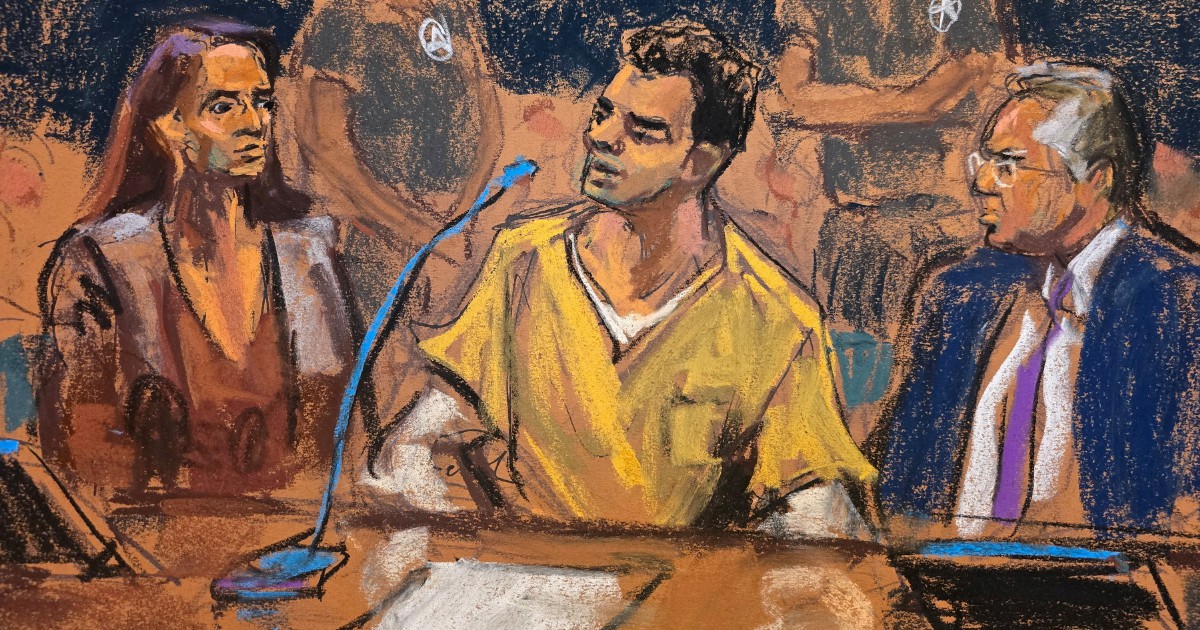
The killing of a major US health insurance industry figure has become a window into the festering discontent many Americans harbour toward their healthcare system, with the accused gunman transforming his courtroom appearance into a platform for airing decades of accumulated anger at corporate gatekeeping practices. Luigi Mangione, who authorities say carried out the fatal shooting, seized the judicial proceedings to frame his alleged crime not as a simple act of violence but as a deliberate strike against an industry he views as fundamentally broken and indifferent to human suffering.
Mangione's narrative, presented during his court appearance, centres on a spinal injury that he claims left him in chronic pain for years. According to his account, multiple encounters with health insurers who denied or delayed coverage for necessary treatments pushed him toward increasingly desperate measures. The injury, he suggests, was not merely a physical ailment but a gateway to understanding how the American healthcare apparatus prioritises profit margins over patient wellbeing, a realisation that festered and ultimately found expression through violence. This personal medical history provides a lens through which observers can examine how individual trauma intersects with broader systemic failures.
What distinguishes this case from typical workplace violence or revenge killings is the ideological dimension that Mangione brought into the courtroom. He did not present himself as a man settling a personal score but rather as someone acting on behalf of a larger constituency—patients and families systematically harmed by insurance company denials and bureaucratic delays. By framing his alleged actions as somehow corrective or necessary, he tapped into a genuine vein of public frustration with American healthcare that extends far beyond his own circumstances. The accused has essentially attempted to transform his crime into a statement about systemic injustice.
This case arrives at a moment when American public opinion toward health insurance companies has reached historic lows. Rising premiums, increasing out-of-pocket costs, and stories of denial of care have created widespread anger that cuts across demographic and political lines. For Southeast Asian readers observing American healthcare debates, the case illuminates the vulnerabilities of purely market-driven insurance systems where profit motives can override medical necessity. Malaysia's government-subsidised healthcare model and mixed private-public approach offer a stark contrast to the American system's complexity and cost barriers.
The insurance industry itself now faces intense scrutiny stemming from the case and the cultural moment surrounding it. Several insurers have found themselves defending their denial practices and prior authorisation requirements, the bureaucratic gates that Mangione claims delayed his own care. Industry executives have become far more visible targets of public anger, and some have faced protests and security concerns in the aftermath of the killing. This heightened focus may ultimately force discussions about whether current industry practices require reform, regardless of the judicial outcome in this particular case.
Mangione's background reportedly marked him as an unlikely perpetrator of such a crime. Described by acquaintances as an educated, thoughtful individual from a privileged background, he does not fit the typical profile of a politically motivated killer. This disconnect between his outward appearance and his alleged actions has only amplified public interest and media coverage. Many observers have grappled with the question of how an ostensibly normal person could reach such an extreme point, suggesting that the conditions he cited—chronic pain, healthcare denial, systemic indifference—may have more destructive power than previously recognised.
The chronology of Mangione's descent, insofar as it can be reconstructed from available information, reveals a man whose suffering morphed into rage and then into ideological certainty. His alleged research into insurance practices, communications with associates about healthcare industry failings, and eventual planning of the killing suggest a process of radicalisation distinct from impulsive violence. He appears to have constructed a narrative in which his actions constituted necessary intervention rather than criminal murder. Understanding this psychological progression matters for anyone assessing how personal grievance can metastasise into organised violence against symbols of institutional power.
The case has profound implications for the future of healthcare reform discussions in America. Rather than remaining a technical policy debate confined to legislative committees and industry conferences, healthcare system failures have now entered the realm of violent tragedy. Policymakers recognise that persistent denial of care and bureaucratic obstacles have real human costs that extend beyond statistics. Malaysian policymakers watching this unfold might reflect on whether their own healthcare systems contain similar pressure points that could accumulate into public resentment, even if such resentment rarely expresses itself through violence.
Mangione's courtroom behaviour suggests he views himself as acting with moral justification, channelling frustrations that he perceives as legitimate even if his chosen method is criminally indefensible. This mentality poses challenges for the criminal justice system, which must weigh questions of motive and ideology against clear evidence of premeditation and deliberate action. Whether courts ultimately accept his framing as relevant context or dismiss it as irrelevant rationalisation may influence how this case becomes memorialised in American legal history and popular memory.
The shooting death of a health insurance executive, followed by courtroom declarations against the industry, has crystallised years of simmering American discontent into a single dramatic moment. Whether viewed as terrorism, political violence, or simply murder motivated by personal grievance, the case reveals fault lines in the American healthcare system and the depths of public anger it has generated. For observers globally, including Malaysian readers considering their own healthcare challenges, the case serves as a cautionary tale about what happens when institutional failures persist long enough and cut deeply enough to drive individuals toward violence.

