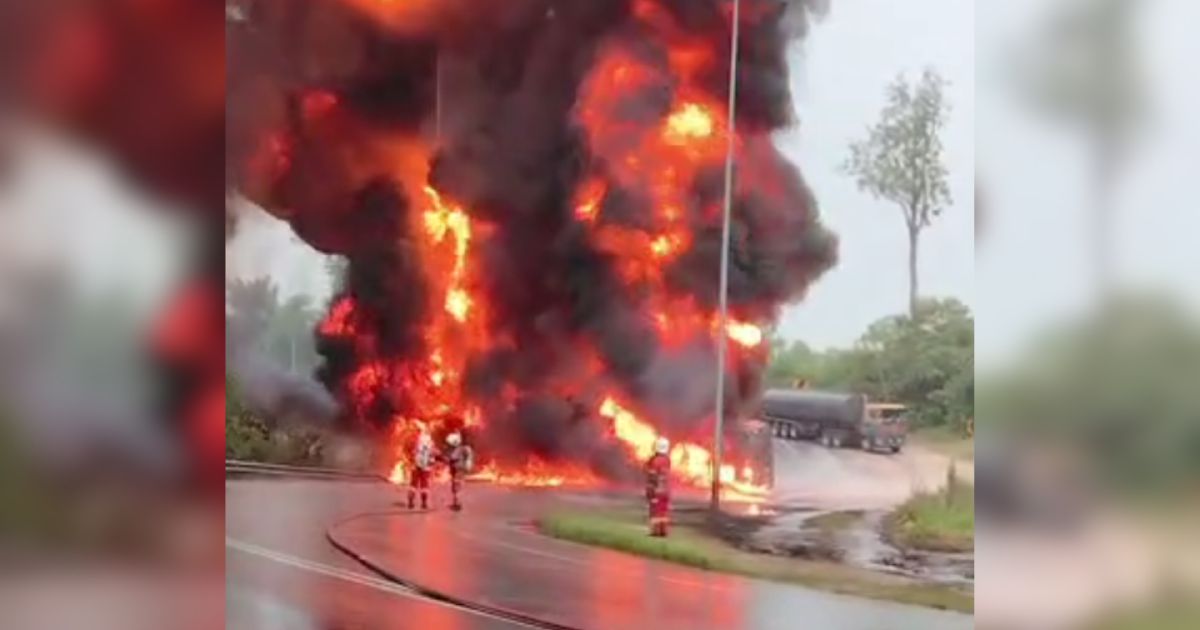
Authorities have remanded a fuel tanker driver for four days pending further investigation into a devastating collision that claimed two lives on the Temerloh-Triang highway. The accident occurred at Km9 near Kampung Lebak, with the mother and son pronounced dead at the scene. This latest incident underscores the persistent dangers posed by heavy commercial vehicles on Malaysia's major arterial roads.
The driver, whose identity has not been publicly disclosed pending the outcome of investigations, remains in police custody as the Pahang authorities conduct a comprehensive inquiry into the circumstances surrounding the crash. The four-day remand order provides investigators with sufficient time to examine physical evidence from the accident site, interview witnesses, and determine whether any traffic violations or mechanical failures contributed to the fatality.
Fatalities involving large commercial vehicles such as fuel tankers represent a significant portion of Malaysia's annual road death toll. These oversized vehicles present unique hazards due to their weight, extended stopping distances, and the challenges drivers face in visibility and manoeuvrability. The Temerloh-Triang corridor, which connects the Pahang interior to the broader highway network, regularly accommodates such vehicles transporting fuel and other hazardous materials.
The investigation will likely focus on multiple factors that commonly emerge in such accidents. Road conditions, vehicle speed, driver fatigue, and mechanical integrity of the tanker constitute standard investigative avenues. Weather conditions at the moment of impact, potential brake failure, and whether the driver maintained safe distances from other vehicles will all form part of the technical examination.
For the bereaved family, this tragedy represents an incalculable loss with profound ripple effects extending beyond immediate relatives. The sudden death of a mother and child in a traffic accident illustrates the random devastation that poor road safety practices can inflict on ordinary Malaysians travelling on ostensibly routine journeys. Such incidents frequently prompt broader community conversations about road discipline and enforcement mechanisms.
Police involvement in the investigation reflects standard protocol for fatal traffic accidents across Malaysian jurisdictions. When deaths result from vehicular collisions, the matter transcends civil traffic administration and enters the criminal domain, where officers assess potential culpability and whether charges under relevant traffic and criminal legislation might apply. The four-day custody period allows investigators to gather statements, conduct forensic analysis, and build a comprehensive factual foundation.
The Temerloh-Triang route carries considerable commercial traffic given its connections to industrial zones and distribution networks serving Central Peninsular Malaysia. This economic importance makes maintaining safety standards on the corridor essential, particularly as heavy goods vehicles navigate curves and elevation changes characteristic of the region. Driver training, vehicle maintenance standards, and regulatory oversight all contribute to safety performance on such routes.
Highway fatalities involving large vehicles frequently prompt discussions about stricter enforcement measures targeting commercial drivers. Speed limiters, mandatory rest periods, and periodic vehicle fitness inspections represent regulatory tools deployed internationally to mitigate such risks. Malaysian authorities have progressively strengthened regulations in this domain, though implementation challenges persist across diverse fleet operators.
The remand period also allows authorities to determine whether charges will be preferred against the driver. Depending on investigative findings, potential offences might range from rash or negligent driving causing death under the Penal Code to breaches of transport regulations. The severity of charges will ultimately depend on whether culpability stems from driver error, mechanical failure, or environmental factors beyond the operator's immediate control.
This incident inevitably resonates with other families who have lost loved ones to traffic accidents, particularly those involving commercial vehicles where power differentials create inherent vulnerability for other road users. Road safety advocacy groups frequently cite such tragedies when calling for enhanced enforcement and harsher penalties for traffic violations by professional drivers.
As the investigation progresses, authorities may provide additional details regarding the accident circumstances, preliminary findings, and any technical factors that emergency responders identified at the scene. The outcomes of this inquiry will likely inform ongoing discussions about transportation safety standards and driver accountability within Malaysia's logistics and fuel distribution sectors.
The four-day remand represents a critical juncture in establishing factual responsibility for the collision. During this period, police will consolidate evidence, complete witness interviews, and determine the trajectory of potential criminal proceedings. For the affected community, this process marks the beginning of formal accountability mechanisms designed to establish precisely how this tragedy occurred and whether identifiable human or mechanical factors contributed to the loss.

