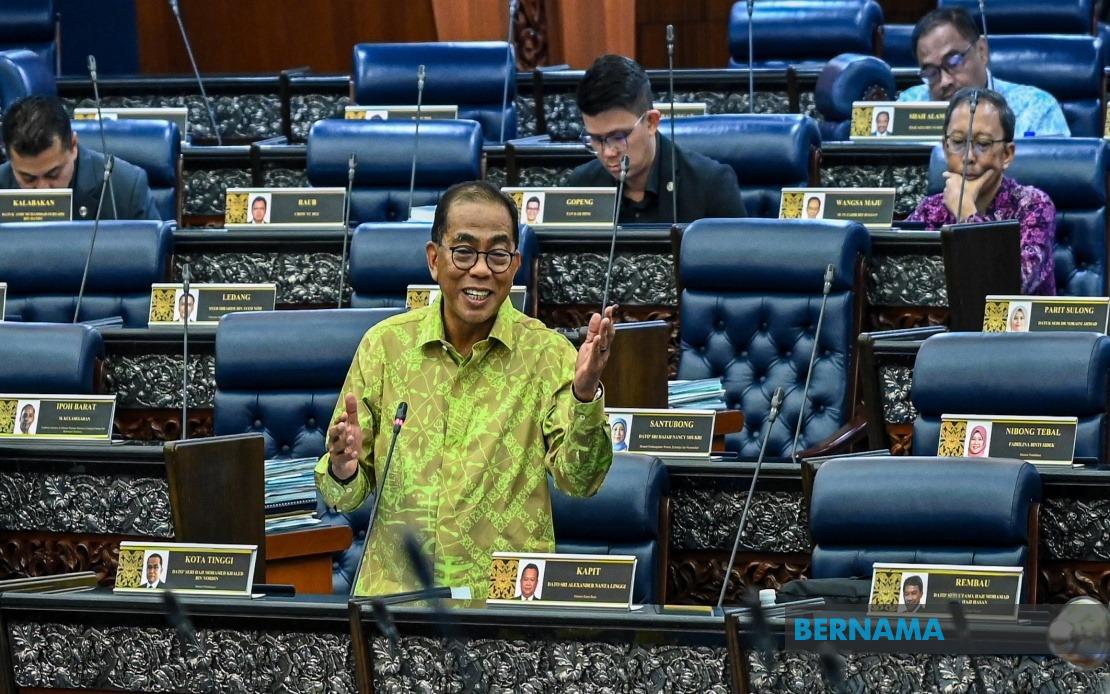
The Defence Ministry will release its full investigation report on July 23 into a fatal grenade explosion that claimed two lives during a training exercise at Hobart Camp Firing Range in Gurun, Kedah last month, Defence Minister Datuk Seri Mohamed Khaled Nordin announced in Parliament on July 16. The delayed submission reflects the complexity of the incident and the ministry's commitment to establishing a definitive account of what transpired before drawing conclusions about root causes.
Lance Corporal Siti Khadijah Sungip and Sergeant Norazmi Abu Bakar died on June 16 after a grenade detonated inside a bunker during a Combat Enhancement Training exercise at approximately 10.57 am. Both soldiers sustained severe blast injuries and succumbed during transport to Sultan Abdul Halim Hospital in Sungai Petani. The incident has intensified scrutiny on safety protocols within Malaysia's armed forces training programmes, particularly those involving live explosives and high-risk weapons systems.
The Army established a Board of Inquiry the day after the explosion to systematically investigate the circumstances. Mohamed Khaled explained that the board's initial report underwent further review by the 2nd Division Headquarters and Army Western Field Command Headquarters after the ministry received the documents on July 13. However, investigators determined that additional witness testimony and potentially further statements from previously interviewed personnel were necessary to solidify the investigation's findings and eliminate gaps in the evidentiary record.
This methodical approach reflects international best practice in military accident investigations, where thoroughness typically outweighs speed. The ministry's willingness to extend the timeline suggests a determination to avoid premature conclusions that might obscure systemic vulnerabilities or procedural failures. For Malaysian service personnel and their families, the comprehensive nature of the inquiry offers some assurance that the circumstances will be fully examined rather than subject to cursory review.
The grenade incident has prompted immediate operational changes across the Malaysian Armed Forces. General Tan Sri Azhan Md Othman, the Army Chief, issued orders temporarily halting all grenade-throwing exercises force-wide and directing comprehensive inspections of all remaining grenades held by the 1st Squadron of the Royal Engineer Regiment. These precautionary measures underscore the seriousness with which military leadership has treated the tragedy and its implications for ongoing training schedules.
Beyond immediate suspensions, the Defence Ministry has initiated a broader programme of safety enhancements designed to prevent future incidents. The installation of closed-circuit television systems at firing ranges will create permanent visual records of exercises, enabling investigators to review incidents from multiple angles and establish precise timelines. Body-worn cameras issued to supervising personnel will provide additional documentation, particularly regarding instructor positioning, trainee compliance with safety procedures, and environmental conditions during exercises.
The ministry has also established a casting policy for ammunition and explosives to track their service life. Grenades and other ordnance degrade over time, and improper storage or handling can compromise their structural integrity and reliability. By implementing systematic tracking of manufacture dates and deployment timelines, the armed forces aim to retire potentially unstable munitions before they enter training or combat scenarios. This approach parallels international military standards that maintain strict inventories of explosive materials.
For Malaysia's defence establishment, the Gurun incident represents a critical moment in evaluating training safety culture. The country's armed forces conduct thousands of training exercises annually across multiple service branches, many involving live fire, explosives, and high-risk scenarios. While fatalities are rare, the incident has prompted broader questions about whether current oversight mechanisms adequately protect personnel during routine training activities. The parliamentary inquiry by Datuk Mohd Isam Mohd Isa reflects legitimate public concern about military training safety standards.
The timing of the July 23 report release carries significance beyond the immediate investigation. It concludes a month-long review period during which military planners have implemented interim safety measures and assessed broader training protocols. The report will likely become a reference document for military training institutions across Southeast Asia, as neighbouring countries monitor Malaysia's investigative process and any recommendations that emerge. Transparency in such investigations contributes to regional confidence in the professionalism of Malaysia's defence establishment.
The deaths of Siti Khadijah Sungip and Norazmi Abu Bakar reflect the genuine hazards that military personnel face during training. These soldiers were not engaged in combat operations but in routine exercises designed to prepare them for demanding service. Their families, colleagues, and the broader military community await the July 23 report with intense interest, hoping it will explain what went wrong and provide concrete assurance that the armed forces are implementing lessons learned to protect those who serve.
The Defence Ministry's commitment to a comprehensive investigation, while extending the timeline beyond initial expectations, demonstrates that senior military and civilian leadership recognise the gravity of the incident. The forthcoming report will likely influence training procedures, equipment procurement decisions, and safety culture across the Malaysian Armed Forces for years to come. Whether the investigation identifies technical failures, procedural lapses, or training oversights, the findings will shape how the military conducts live-fire exercises and manages explosive materials moving forward.

