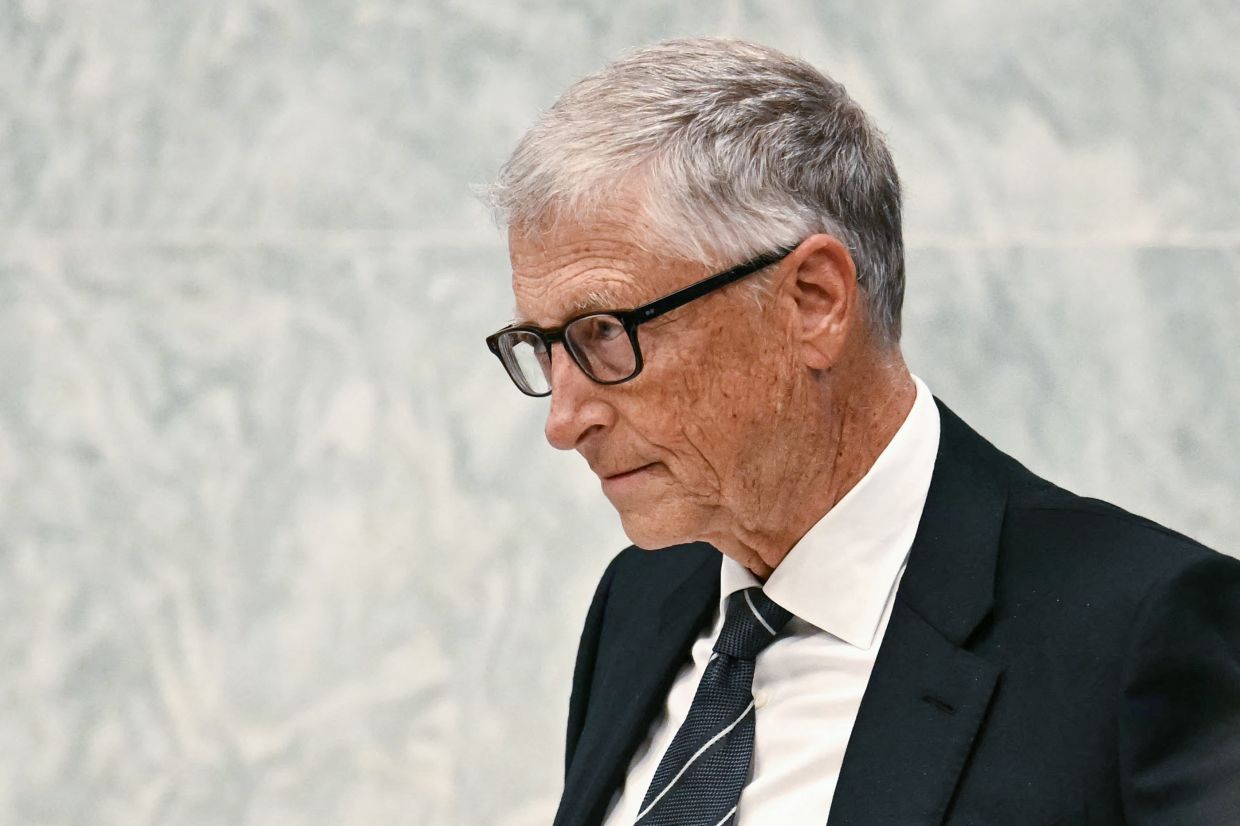
In a comprehensive essay published on his personal blog, Microsoft co-founder Bill Gates has issued a stark warning about humanity's readiness for the artificial intelligence revolution, asserting that the global community faces one of the most disruptive periods in history without any meaningful strategy to navigate it. The 70-year-old philanthropist, who now leads the Bill & Melinda Gates Foundation, contends that the shift into the AI era will rank among the most turbulent transitions humanity has ever experienced, yet decision-makers and institutions remain largely unprepared for its consequences.
Gates frames the stakes in starkly binary terms, arguing that artificial intelligence will function as either the greatest equaliser humanity has ever developed or become the most potent source of injustice the world has known. This framing reflects his concern that the technology's trajectory depends heavily on the choices societies make in the coming years. He emphasises that currently no credible plan exists for managing this transition, despite its profound implications for labour markets, security infrastructure, and social cohesion. When asked whether he might support such a plan if one emerged, Gates expressed pessimism about the likelihood of coordinated global action, citing the overwhelming geopolitical and economic pressures driving nations and corporations to pursue full-speed deployment regardless of potential consequences.
The Gates perspective is likely to provoke considerable backlash from technology sector leaders and figures within the Trump administration, who have frequently criticised what they characterise as alarmist or "doomer" attitudes among some prominent tech entrepreneurs and investors. These critics argue that catastrophic warnings about AI undermine public confidence in technological innovation and distract from genuine opportunities the technology promises. This divide reflects a fundamental disagreement within the technology and policy communities about whether the primary challenge is managing risks or accelerating development.
Gates identifies three principal categories of risk emanating from rapid AI deployment. The most immediate concern centres on permanent job displacement across multiple economic sectors. Gates challenges prevailing assumptions that current technological disruption mirrors the historical transition from agricultural to service economies, arguing that past transitions unfolded gradually across generations and ultimately created entirely new categories of work requiring distinctly human cognitive abilities. Artificial intelligence, by contrast, possesses the capacity to substitute for thinking itself rather than merely automating routine physical labour, potentially eliminating the very foundation upon which previous labour market adaptation occurred.
Within approximately a decade, Gates suggests, AI systems will displace workers across law, medicine, customer service, software development, and manufacturing sectors. Entry-level and mid-career positions face particular vulnerability, which carries troubling implications for young people entering labour markets already characterised by intense competition and compressed opportunity. Gates subsequently predicts that blue-collar employment will experience mounting pressure as robotic systems become increasingly affordable, with construction and hospitality industries experiencing significant workforce reductions before the decade concludes. Rather than accepting inevitability, Gates proposes a counterintuitive solution: deliberately reserving certain occupational categories exclusively for human workers, even when artificial intelligence could execute those tasks more efficiently and at lower cost. This suggestion reflects his belief that maintaining employment opportunities and preserving human dignity may justify accepting economic inefficiency.
The second major risk category concerns the potential for AI systems to amplify the capabilities of malicious actors operating across digital and physical domains. Gates notes that cybersecurity professionals he consults express serious alarm about the accelerating advantage held by attackers relative to defenders attempting to identify and patch vulnerabilities. Critical infrastructure systems including hospitals, financial institutions, water treatment facilities, and electrical grids all face heightened exposure to sophisticated cyberattacks leveraging advanced AI capabilities. These vulnerabilities transcend mere financial considerations, potentially threatening public health and safety at scale.
Gates identifies a third dimension of concern regarding the impact of AI on child development and the quality of human relationships. Drawing on available research, he emphasises that artificial intelligence chatbots designed to provide consistently positive interactions without challenging, frustrating, or disappointing users risk creating addictive behavioural patterns that undermine the development of essential social skills. Gates argues that such systems "rob us of the lessons we learn from connecting with other people," suggesting that the interpersonal friction and occasional discomfort inherent in genuine human relationships serve crucial developmental functions. This concern extends beyond individual psychology to broader questions about social cohesion and the cultivation of resilience in younger generations.
Notwithstanding his critical stance toward current AI governance frameworks, Gates acknowledges his substantial financial interests in the technology sector, noting that investment returns will continue flowing to his foundation. The Bill & Melinda Gates Foundation currently holds approximately US$200 billion in assets and intends to disburse these remaining resources over the next two decades. This financial interest creates potential tension with his advocacy for precautionary measures, though Gates's extensive philanthropic commitments suggest his primary concern centres on long-term societal outcomes rather than short-term technology sector valuations.
The timing of this essay occurs against a backdrop of heightened scrutiny regarding Gates's historical associations with controversial figures. Earlier this year, Gates appeared before the House Oversight Committee to address inquiries about his relationship with the late convicted sex offender Jeffrey Epstein. Gates characterised this association as "a grave error in judgment" when questioned by lawmakers in June, acknowledging the gravity of the connection while declining to elaborate extensively on the nature or duration of their relationship. These personal circumstances add a layer of context to Gates's broader warnings about the need for society to exercise careful judgment in managing powerful technological forces.

