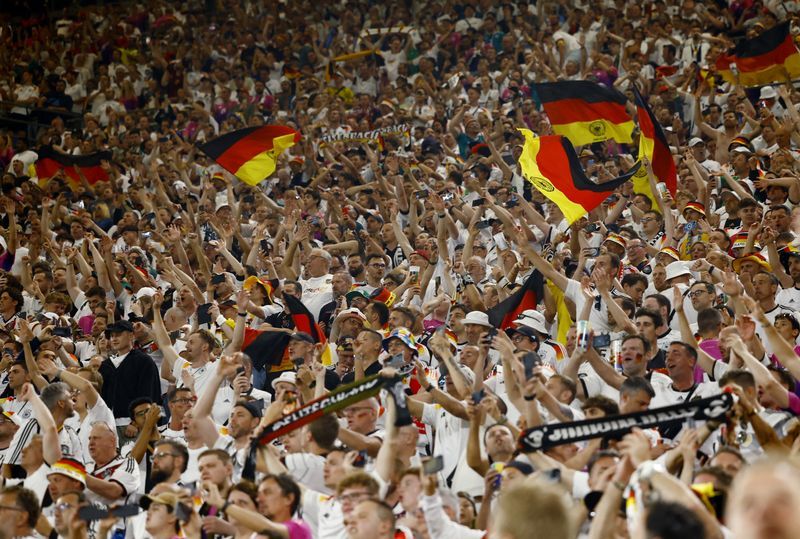
German authorities have intensified their scrutiny of ticketing practices surrounding the 2024 European Football Championship, with investigators conducting coordinated searches across multiple sites including the headquarters of the Deutscher Fußball-Bund, the nation's top soccer governing body. The raids represent a significant development in what appears to be a complex investigation into how tickets were distributed for matches hosted by Germany during the continental tournament earlier this year.
According to reporting from the Bild newspaper, the search operations were triggered by investigations into suspected violations in the ticket allocation process. The inquiry involves at least one German national and a French national among multiple individuals under investigation, though authorities have not yet disclosed comprehensive details about all parties involved or the specific nature of the alleged infractions.
While official statements from police and prosecutors confirmed that searches were being conducted at several locations throughout Germany, the authorities did not explicitly mention the DFB's involvement in their public communications. This discrepancy between what the media reported and what official agencies publicly acknowledged suggests the investigation may have been operating with some degree of discretion before details emerged in the press.
The Euro 2024 tournament, which took place across German venues, represented a major undertaking for the DFB and the country's event management infrastructure. With thousands of matches requiring ticketing arrangements and millions of fans seeking access to games, the distribution process involved numerous logistical and administrative challenges. Any irregularities in this system could affect not only individual fans but also the reputation of the organizing bodies and Germany's capacity to host future major sporting events.
Ticket allocation controversies have historically been sources of concern at major international tournaments. Fairness in distribution mechanisms, preventing scalping, ensuring loyal supporters gain access, and managing relationships with corporate partners all create competing pressures in the ticketing space. When investigations suggest these systems may have been compromised, they raise broader questions about governance and oversight at sports organizations.
For Malaysian and Southeast Asian observers, this development carries implications for how sports governance is conducted across the region. International sporting events increasingly involve coordinated ticketing systems, and transparency in these processes is essential for maintaining public confidence. The German investigation underscores that even established, professional sports organizations in developed nations can face scrutiny over ticket distribution practices.
The involvement of both German and French nationals in the investigation suggests the irregularities may have crossed national boundaries or involved individuals from multiple countries in coordination. This cross-border dimension could indicate a more sophisticated scheme than simple administrative errors or could reflect the international nature of modern sports event management where multiple parties from different nations are involved in ticketing and allocation decisions.
The DFB, as one of Europe's most prestigious and well-resourced soccer associations, maintains stringent internal standards and compliance procedures. The fact that investigators felt compelled to conduct raids at its headquarters indicates authorities believed there was sufficient cause to believe violations had occurred or that evidence relevant to the investigation existed within the organization's records.
The timing of the investigation's public disclosure, several months after the conclusion of Euro 2024, suggests authorities may have taken time to develop their case methodically. This approach is typical in complex investigations involving institutional actors where investigators need to build a comprehensive understanding before taking formal action.
The broader context of sports governance reform across Europe has created heightened scrutiny of how major international tournaments are organized and managed. Recent years have seen increased focus on corruption prevention, financial transparency, and fair dealing in sports administration. Germany's investigation aligns with this broader trend toward greater accountability in the sports sector.
For the DFB, the raids represent a potential challenge to its institutional credibility, though cooperation with investigators may ultimately strengthen confidence in the organization if the probe results in clarification and remedial measures. The association's response to the investigation and any findings will likely shape how stakeholders view its governance practices going forward.
The investigation also highlights the complexity of managing ticketing at events attracting international audiences and participants. As Asian nations increasingly host major soccer tournaments and other sporting events, understanding how established organizations handle such challenges—including when systems fail—provides valuable lessons for institutional design and oversight mechanisms.

