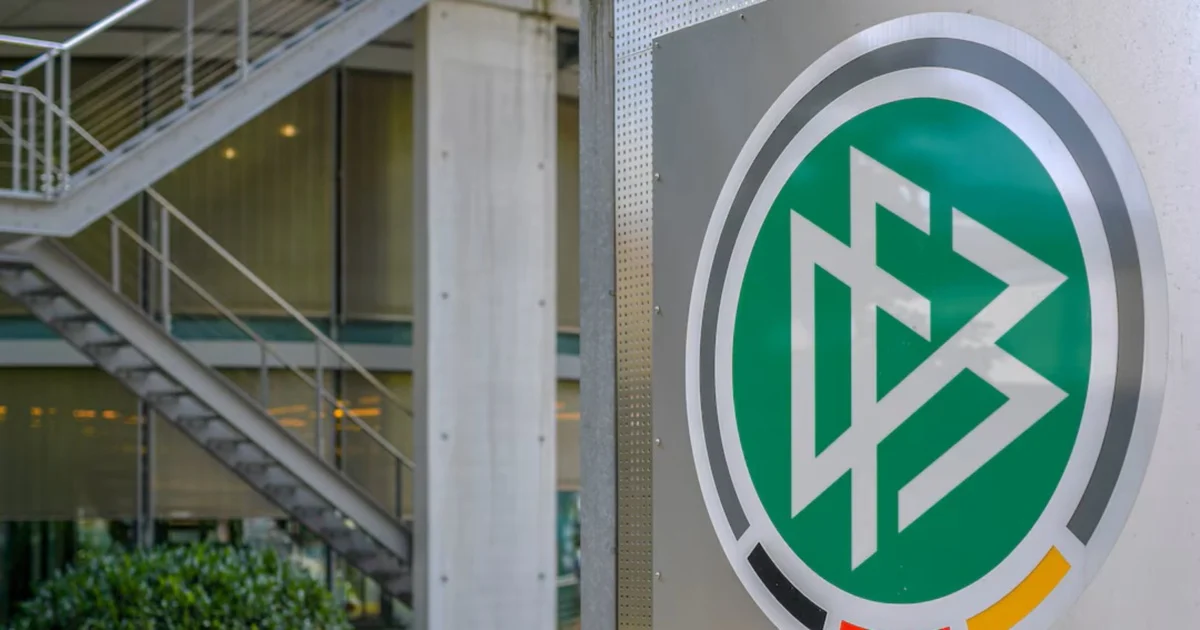
German law enforcement authorities launched a series of coordinated searches across the country on Wednesday, with investigators descending on the Deutsche Fußball-Bund (DFB) headquarters among other locations, according to reporting by Bild. The raids represent an escalation in a developing inquiry into allegations of improper conduct surrounding ticketing and hospitality operations at Euro 2024, which took place in Germany earlier this year.
The investigation appears focused on uncovering potential violations in how match tickets and premium hospitality packages were distributed and sold in connection with the continental tournament. Such probes into major sporting events are not uncommon, particularly when significant financial interests are at stake and competition for premium access remains intense. The scale of the current operation suggests authorities are treating the matter seriously and expect to uncover evidence of systematic irregularities rather than isolated incidents.
The DFB, which governs professional football in Germany and oversees the national team, would have held responsibility for allocating and managing tickets alongside tournament organisers UEFA. Major football championships generate substantial revenue streams through hospitality packages, premium seating, and corporate entertainment arrangements. Any impropriety in these areas could involve officials, staff, or external parties exploiting their positions for personal gain or directing benefits to preferred recipients outside normal competitive allocation procedures.
Euro 2024 was a significant commercial and promotional opportunity for German football, generating intense demand for access to matches, particularly those involving the host nation. Hospitality packages at such tournaments typically command premium prices, creating financial incentives for unethical distribution. The investigation's scope, indicated by nationwide searches rather than action at a single location, suggests authorities suspect the problem extends beyond isolated misconduct at DFB level.
For Southeast Asian readers following European football developments, this case highlights governance challenges that organisations operating across different jurisdictions face. The DFB's conduct will be scrutinised not only by German authorities but also by UEFA, which maintains strict compliance requirements for national associations. Any significant findings could result in sanctions affecting Germany's participation in future competitions or financial penalties that would reverberate through European club competitions where German teams compete regularly.
The timing of the raids, coming months after the Euro 2024 tournament concluded, suggests investigators required substantial preparation to develop their case and secure judicial approval for searching association offices. German authorities typically move methodically in financial crime investigations, gathering documentary evidence and building comprehensive pictures before executing searches. The DFB's cooperation—or lack thereof—with investigators will influence how the case develops and what conclusions ultimately emerge.
Ticketing fraud at major sporting events represents a persistent challenge globally. The combination of high demand, limited supply, and significant value creates perfect conditions for corruption. Previous investigations into Olympics, World Cups, and continental championships have uncovered similar schemes involving officials misusing their access and authority. The current German inquiry follows a familiar pattern but gains particular prominence given that the DFB is one of Europe's most influential football organisations with substantial resources and responsibility.
The investigation's success will depend partly on investigators' ability to trace financial flows and communications among suspected parties. Modern financial systems leave digital records that forensic accountants can analyse to identify suspicious transactions, kickbacks, or unexplained enrichment. Electronic communications—emails, messages, and documents—typically provide crucial evidence in corruption cases, especially when they document decisions or agreements that departed from established procedures.
For the DFB itself, the raids represent a reputational challenge regardless of investigation outcomes. The association must demonstrate credible commitment to internal compliance and legitimate governance. Public confidence in German football administration, already tested by various controversies over recent years, depends on swift, transparent resolution and evidence of institutional reform. European football's governing bodies maintain pressure on national associations to maintain rigorous standards, with investigations and findings at one association potentially triggering reviews elsewhere.
The broader implications extend to how continental tournaments operate and allocate resources in future. UEFA and national associations may implement additional oversight mechanisms, independent auditing, and transparency requirements in response to any substantiated violations. Such developments could affect how Southeast Asian supporters and commercial partners in the region access match experiences, as stricter controls might reduce informal distribution channels while increasing costs for legitimate premium packages.
This investigation demonstrates that even established, well-resourced organisations face scrutiny over financial and administrative practices. The DFB cannot rely on its historical prominence or sporting success to shield it from accountability. German authorities' willingness to pursue such inquiries reflects broader societal expectations that major institutions operate ethically and transparently, regardless of their cultural or sporting significance.
Outcomes remain uncertain, but the investigation's progression will provide important lessons about governance standards in elite sports administration. Depending on what evidence emerges, the case could prompt significant reforms affecting how major tournaments function across Europe and potentially influence regulatory frameworks in other sporting contexts globally.

