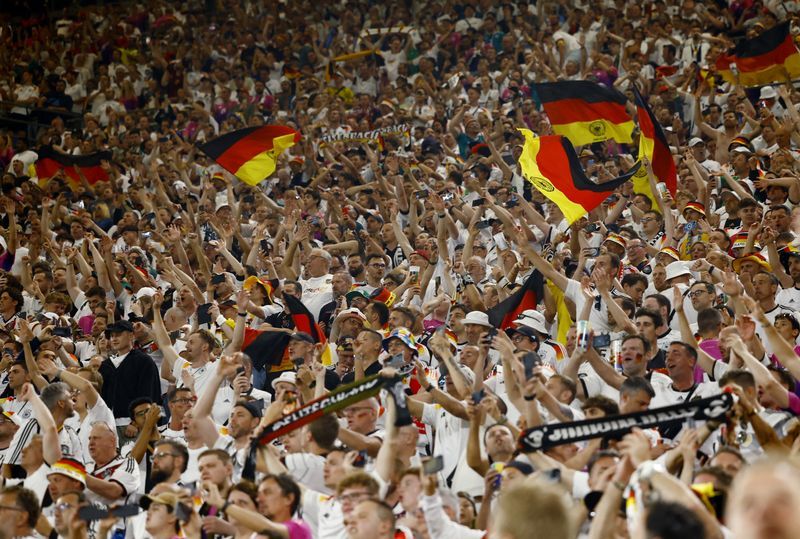
German authorities have widened their investigation into potential misconduct surrounding the 2024 European Championship, with Wednesday's searches extending to the Deutsche Fußball-Bund headquarters and numerous other sites across the country. According to reports from Bild newspaper, the coordinated raids represent a significant escalation in examining how thousands of tournament tickets were distributed and how hospitality arrangements were granted to individuals with apparent connections to host cities and officials.
The investigation, which prosecutors in Bochum and the North Rhine-Westphalia state criminal office are jointly conducting, centers on the allocation of match invitations and accommodation packages that may have breached regulations governing the distribution of coveted tournament access. The 2024 Euros, which took place across ten German cities, generated substantial demand for tickets and hospitality benefits, creating conditions where preferential treatment arrangements could flourish outside official channels.
At the heart of the inquiry are allegations involving multiple individuals from different countries, including a German municipal employee based in Gelsenkirchen, one of the tournament's host cities. This individual is suspected of receiving tickets, travel arrangements, and hotel accommodations valued at approximately €2,400 in what prosecutors characterize as unauthorized benefits. The pattern suggests a deliberate system through which tournament access was channeled to connected individuals rather than distributed through legitimate ticketing processes.
The scope of the probe extends beyond a single case. Prosecutors have identified numerous instances where several thousand tickets appear to have been allocated irregularly, with hospitality invitations provided to preferred guests in advance of match dates. This systematic approach to distributing premium tournament experiences raises questions about oversight mechanisms within the organizing structures and whether adequate controls existed to prevent such allocation practices.
For Malaysian and Southeast Asian observers, this investigation underscores the governance challenges that arise during major international sporting events. Tournament organization in countries hosting continental championships requires robust accountability frameworks to prevent the kind of ticket manipulation and favoritism that has emerged in Germany's case. The scale of the Euro 2024 operation—spanning multiple cities and involving hundreds of thousands of spectators—created inherent vulnerabilities in distribution systems that appear to have been exploited.
The involvement of officials from host cities adds a concerning dimension to the investigation. When municipal employees or individuals with local government connections gain unauthorized access to premium tournament experiences, it suggests either deliberate circumvention of official procedures or serious gaps in how participating institutions enforced compliance standards. Gelsenkirchen's status as one of the tournament venues meant that local officials possessed knowledge of distribution channels and access procedures that could be leveraged for improper benefit.
The DFB's position remains unclear as it has not yet responded substantively to the allegations. As the governing body responsible for German football administration and representing the country's interests in continental competitions, the association faces scrutiny regarding what oversight it exercised over ticket allocation and hospitality distribution. Whether the organization bears responsibility for systemic failures or whether misconduct occurred despite adequate safeguards remains a central question in the investigation.
UEFA, the European football confederation that oversees championship operations, has similarly declined immediate comment. The continental body typically establishes allocation frameworks that national associations are expected to implement, meaning questions about compliance standards and monitoring procedures will likely feature prominently in subsequent inquiries. The credibility of future major tournaments may depend on how thoroughly European football authorities address these findings.
From a regional perspective, Southeast Asian football associations and tournament organizers can learn from Germany's experience. Should the region host future continental championships or major qualifying tournaments, implementing transparent, auditable systems for ticket and hospitality distribution becomes essential. The investigation demonstrates how quickly preferential access arrangements can develop when formal controls prove insufficient, particularly when individuals with institutional connections can influence distribution decisions.
The investigation also highlights the tension between providing hospitality to officials, dignitaries, and partners during major sporting events and maintaining equitable access principles. Tournament organization requires accommodating numerous stakeholders—government representatives, business partners, media, and international officials—but doing so through informal or unauthorized channels undermines confidence in the process and creates legal liability for organizing institutions.
Going forward, the Bochum and North Rhine-Westphalia investigation will likely produce detailed findings about how the irregular allocations occurred, who benefited, and what value was involved. These findings will establish precedents for how European football and other sports organizations approach ticket governance. For German football specifically, the outcome may necessitate structural reforms ensuring that future tournament participation involves demonstrably fair and transparent distribution mechanisms.
The broader implications extend beyond football administration to questions of institutional integrity and public trust. When organizations managing prestigious international events fail to maintain basic accountability standards, the credibility of their governance comes under question. This investigation represents an opportunity for the DFB and UEFA to demonstrate commitment to remedying any systemic failures and establishing clearer procedures for future tournaments, particularly important as Germany and other European nations prepare to host major sporting competitions in coming years.

