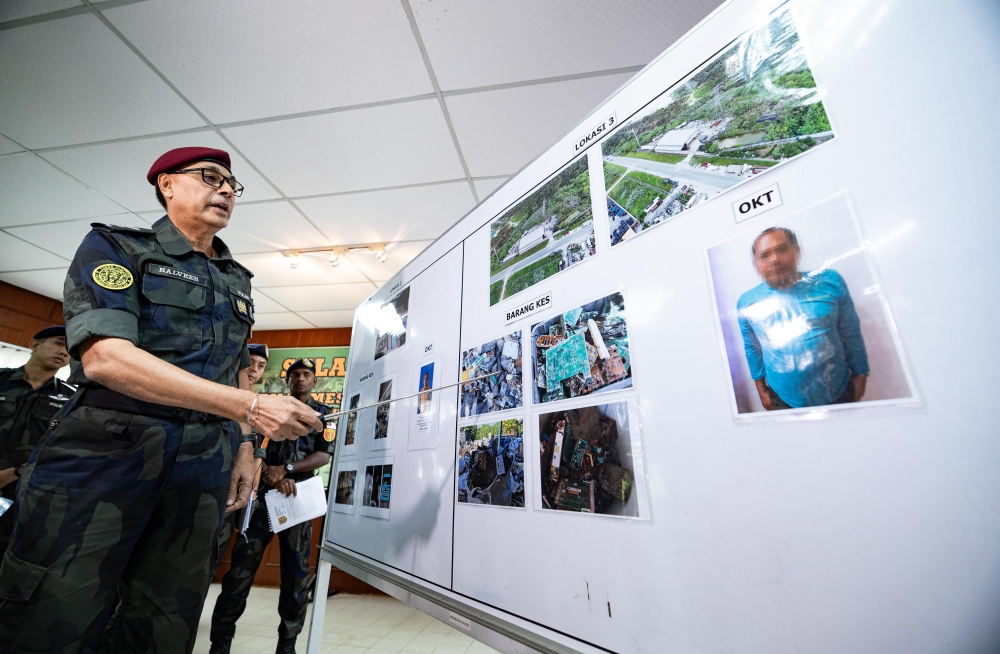
The General Operations Force Northern Brigade has dealt a significant blow to Malaysia's illegal electronic waste trade, confiscating more than 120 tonnes of smuggled materials during coordinated enforcement operations across Ipoh. The seizure, valued at RM9.39 million, represents one of the larger busts in the country's ongoing battle against the clandestine dumping and reprocessing of foreign e-waste that should be subject to strict import restrictions. Fourteen individuals connected to the operation faced arrest as authorities dismantled what officials characterised as an organised smuggling enterprise.
The discovery exposes how sophisticated criminal networks have become in circumventing Malaysia's environmental protection mechanisms. Importers typically disguise electronic waste as legitimate scrap material or components destined for recycling, exploiting regulatory gaps and the complexity of tracking goods through ports and informal channels. The Ipoh bust involved 120,220 kilogrammes of materials seized across multiple locations, suggesting an operation with significant distribution infrastructure rather than a small-scale venture. Such scale indicates the profitability driving these smuggling activities—even after accounting for enforcement costs, profits remain substantial enough to attract organised criminal involvement.
The timing of this crackdown reflects heightened pressure from Malaysian authorities to address the environmental and public health consequences of illegal e-waste processing. Countries across Southeast Asia have become dumping grounds for developed nations' discarded electronics, with materials from Europe, North America, and Australia frequently diverted to poorly regulated facilities in the region. Malaysia, with its established electronics manufacturing sector and porous borders, has proven particularly vulnerable. Unlike legitimate recycling facilities that invest in pollution controls and worker safety measures, illicit operations typically extract valuable metals and components using rudimentary, dangerous methods that contaminate soil and water while exposing workers to toxic substances.
The environmental implications extend beyond the immediate processing sites. E-waste contains hazardous substances including lead, cadmium, and mercury that leach into groundwater supplies. In communities near uncontrolled dumping areas, these contaminants accumulate in agricultural soil, entering food chains and eventually human populations. The health burden falls disproportionately on vulnerable populations—workers in informal recycling sectors and residents in proximity to illegal dump sites often lack awareness of exposure risks or access to medical monitoring. Malaysia's health system has only recently begun tracking health outcomes potentially linked to e-waste exposure.
For Malaysia's regulatory authorities, the Ipoh operation underscores persistent challenges in detection and enforcement. Criminal networks have adapted to previous enforcement initiatives by fragmenting operations across multiple small facilities, rotating locations, and maintaining low profiles in industrial zones. Coordination between federal and state authorities, customs agencies, and local authorities remains essential but operationally demanding. The GOF's Northern Brigade actions suggest improved inter-agency intelligence sharing, yet the scale of materials recovered indicates that significant volumes continue to escape detection and process through illicit channels.
The arrested individuals reportedly included importers, warehouse operators, and processing facility managers, indicating the involvement of multiple layers within the supply chain. Success in dismantling such networks requires identifying not only the physical operations but also the financial networks, import documenters, and shipping agents who facilitate the movement of materials. Prosecution records from previous e-waste cases demonstrate that convictions typically result in modest sentences—insufficient deterrent factors given the substantial profits involved. This sentencing gap enables repeat offending and continuous recruitment of new participants into the trade.
From a regional perspective, Malaysia's enforcement actions contribute to broader Southeast Asian efforts to address transnational e-waste trafficking. Countries including Thailand, Vietnam, and Indonesia have intensified their own operations, responding to public health crises in areas known for heavy e-waste concentration. The Basel Convention, which restricts hazardous waste exports, remains inadequately enforced due to weak border controls and inadequate funding for monitoring mechanisms. Malaysia's actions align with regional commitments under ASEAN environmental frameworks, though fragmented national enforcement capabilities limit overall effectiveness.
The economic dimension of e-waste smuggling warrants consideration alongside environmental concerns. Legitimate recycling industries, which operate under regulatory compliance and invest in proper infrastructure, struggle to compete with illegal operators whose cost structures ignore environmental liabilities. This market distortion penalises responsible companies and creates perverse incentives for new entrants to choose the illicit route. Supporting the formal recycling sector through preferential procurement policies and stricter enforcement against smuggling would help rebalance competitive dynamics and redirect materials toward safe processing pathways.
Looking forward, authorities will need to address structural vulnerabilities that enable smuggling. Enhanced port screening using advanced scanning technologies, stronger coordination with customs brokers and shipping companies, and increased penalties for facilitators represent necessary improvements. Additionally, international cooperation to address demand from developed countries—through extended producer responsibility policies and stricter export controls—would reduce the supply of materials entering smuggling channels. Malaysia's recovery of RM9.39 million in materials demonstrates the scale of the problem and the resources involved, justifying sustained investment in enforcement and prevention mechanisms.
The fourteen arrests and material seizure provide temporary disruption to smuggling operations, yet sustainable solutions demand systematic approaches addressing both supply-side factors in developed countries and demand-side vulnerabilities within Malaysia's processing sectors. Until regulatory enforcement consistently raises operational costs for smugglers above profit expectations, and until legitimate recycling becomes economically competitive, such busts will remain sporadic victories within an ongoing enforcement struggle.

