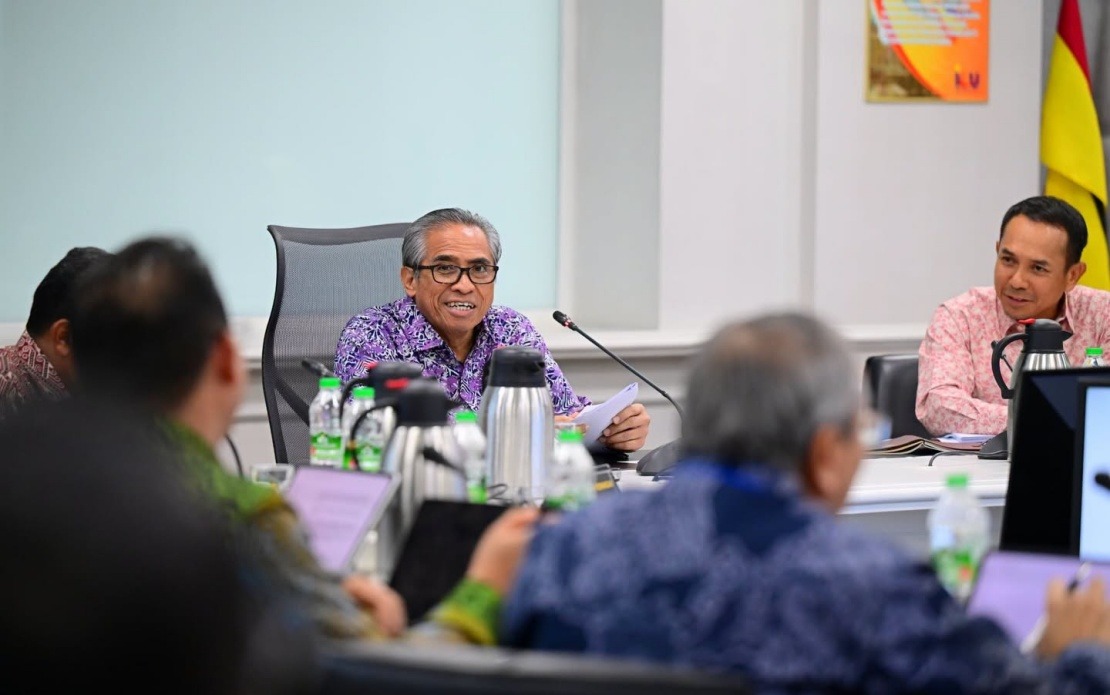
The Malaysian government has set its sights on accelerating implementation of more than 40,000 small-scale development projects spread across the country, with the Chief Secretary to the Government Tan Sri Shamsul Azri Abu Bakar directing all ministry secretaries-general to make this their primary focus. The initiative emerged from deliberations at the National Development Action Committee meeting held on June 25, signalling a strategic pivot towards delivering tangible benefits to communities through manageable, quick-win projects rather than pursuing only large-scale infrastructure undertakings.
Shamsul Azri's directive represents a deliberate shift in governance priorities, emphasising what officials term "low-hanging fruit" in development—initiatives that can genuinely improve citizens' daily lives without requiring lengthy implementation cycles or massive capital expenditure. This approach reflects recognition that ordinary Malaysians often feel the impact of government most acutely through modest but essential improvements to their immediate surroundings and essential services. By concentrating administrative energy on these neighbourhood-level interventions, the government aims to demonstrate responsiveness and deliver measurable outcomes that resonate with voters at grassroots level.
The portfolio of projects spans diverse sectors addressing fundamental infrastructure and service quality concerns. Road repairs and drain maintenance head the list, tackling persistent complaints about deteriorating municipal infrastructure that affects commuters and residents daily. Refurbishment of government quarters addresses housing conditions for civil servants, while classroom repairs tackle educational infrastructure deficits that impact learning environments. Healthcare facility upgrades target medical service delivery at the community level, and improvements to public stalls and markets support both traders and consumers in the informal economy.
A critical advantage of this strategy lies in the compressed timeframe for delivery. Shamsul Azri emphasised that most projects can be completed within three to six months, a dramatically shorter window than typical major infrastructure programmes that span years. This compressed timeline creates multiple benefits: communities witness tangible progress relatively quickly, government agencies can demonstrate efficiency and responsiveness, and resources cycle through to additional projects within the fiscal year. For a government seeking to rebuild public confidence in institutional competence, rapid visible delivery of promised improvements carries significant political and practical value.
The directive also emphasises hands-on oversight rather than distant bureaucratic management. All secretaries-general have been instructed not merely to approve projects but to conduct site visits, monitor implementation progress closely, and resolve obstacles as they emerge on the ground. This requirement for personal engagement by senior officials represents a departure from traditional hierarchical approaches where policy flows downward through layers of implementation. By placing senior ministry leadership directly into problem-solving roles, the government theoretically accelerates decision-making and demonstrates commitment to removing blockages that typically slow project delivery.
For Malaysian states and municipalities, this centralised push carries both opportunities and complications. The volume of projects—40,000 nationwide—necessitates significant coordination between federal ministries and local authorities to identify priorities, allocate resources, and execute work. States with stronger administrative capacity and existing project pipelines will likely move faster, whilst others may struggle with planning and implementation capacity. Competition for limited annual budgets could intensify if all 40,000 projects are genuine additions rather than repackaging of previously planned work.
The initiative arrives at a particular moment in Malaysia's governance cycle. With public patience tested by infrastructure concerns, service delivery gaps, and inflation pressures, demonstrating concrete improvements in neighbourhood conditions becomes strategically important. Unlike grand infrastructure projects that benefit national economic indicators but may feel distant to ordinary families, repairs to school classrooms and market improvements directly affect visible quality of life. This granular focus potentially builds political capital more effectively than headline-grabbing mega-projects that take years to complete and require significant foreign or domestic borrowing.
Regional implications merit consideration as well. Malaysia's pursuit of efficiency through small-scale project acceleration may interest other Southeast Asian governments grappling with similar pressures to deliver responsive development outcomes. The emphasis on rapid completion and senior-level oversight reflects lessons learned across the region about what drives public satisfaction—often not the grandest plans but reliable delivery of basic services and incremental improvements. Neighbouring countries watching Malaysia's execution of this strategy will gauge whether centralised coordination can genuinely accelerate delivery or whether bureaucratic layers ultimately constrain progress regardless of stated priorities.
The practical success of this initiative will depend on several factors extending beyond ministerial directives. Adequate budget allocation must flow to identified projects, procurement processes must be streamlined without compromising integrity, and local implementation capacity must be sufficient to absorb work volume. Site visit requirements, whilst signalling commitment, consume time that senior officials might otherwise dedicate to strategic planning. The real test emerges in coming months as agencies report progress, communities experience results, and the government demonstrates whether 40,000 projects represent genuine new commitments or creative repackaging of existing pipelines under fresh branding.

