Malaysia's Youth and Sports Ministry has signalled strong backing for weightlifting as a priority national sport, pledging RM4.1 million in development funding for 2026 while keeping the door open to granting an additional RM1 million annually to the Malaysia Weightlifting Federation. The commitment underscores official confidence in weightlifting's potential to deliver Malaysia's maiden Olympic gold medal—a strategic objective that has elevated the sport's status within the broader national athletics agenda.
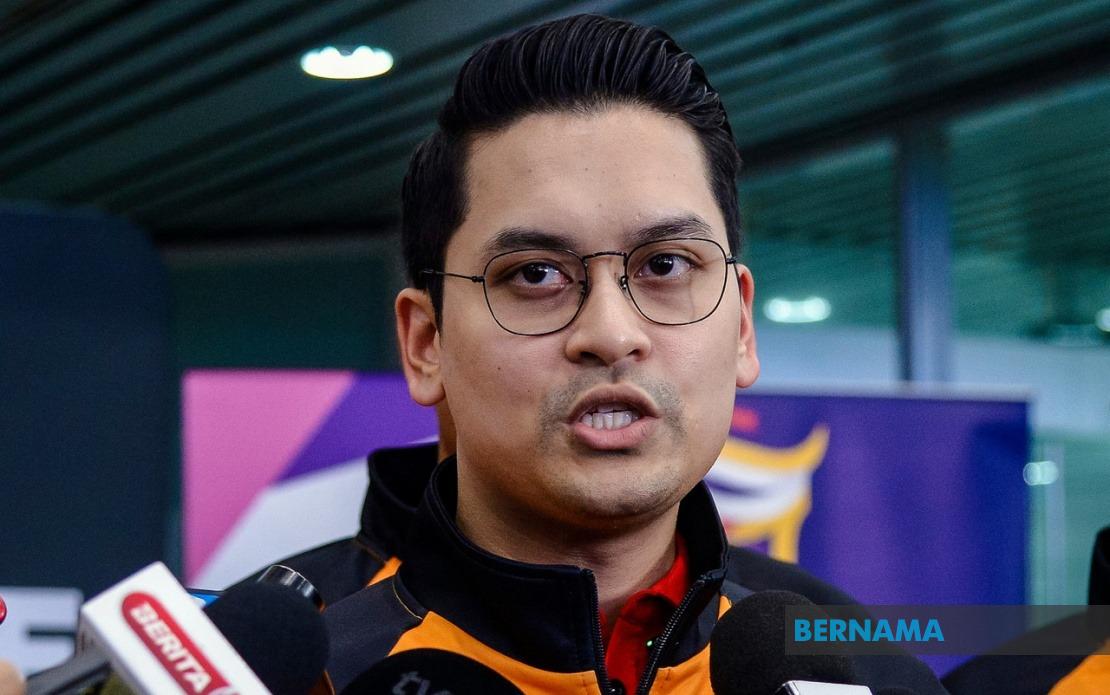
Minister Dr Mohammed Taufiq Johari outlined the scope of the current allocation during remarks to journalists at Kuala Lumpur International Airport, where he welcomed home the national Commonwealth Games contingent. The RM4.1 million package encompasses multiple development streams, including direct athlete support and coaching enhancement, alongside three structured talent-pathways: the Road to Gold initiative targeting elite prospects, the Podium programme for emerging champions, and the Pelapis scheme nurturing junior talent. Investment in grassroots infrastructure rounds out the multi-layered approach intended to build sustainable competitive depth.
The minister's cautious openness to the weightlifting federation's supplementary funding request signals a shift towards more flexible budget management within sports administration. Rather than issuing a flat refusal, Johari indicated he has engaged directly with PABM president Datuk Ayub Rahmat and representatives from affiliated weightlifting associations to understand the detailed rationale behind the one-million-ringgit ask. He acknowledged that coaching remuneration and operational expenses form part of the justification, reflecting persistent resource constraints that have long plagued Malaysian sports development outside the mainstream professional leagues.
The willingness to contemplate enhanced investment comes on the heels of weightlifting's standout performance at the recent Commonwealth Games. The discipline proved itself among Malaysia's most fruitful medal sources, contributing five gold medals, one silver, and one bronze—a haul that not only met but exceeded the contingent's initial projections. This competitive success on the Games stage has evidently strengthened weightlifting's case for elevated ministerial priority and created political momentum for securing additional treasury support, as ministers are inclined to fund sports delivering tangible international recognition.
Current programme distribution reflects a deliberately graduated approach to talent identification and development. Two weightlifters occupy positions within the elite Road to Gold pipeline, a more exclusive tier reserved for athletes demonstrating genuine medal-winning potential. The broader Podium category encompasses eight competitors judged capable of reaching international standard, while two more athletes participate in the Pelapis junior development track. This tiered system, while enabling focused resource allocation to top prospects, also maintains a viable production line of replacement talent essential for long-term competitive sustainability.
Beyond funding mechanics, Johari pledged to examine the welfare and compensation structures affecting state-level coaches operating under National Sports Council supervision. This commitment addresses an often-overlooked dimension of sports development: the financial security of technical staff whose expertise directly shapes athlete performance yet frequently goes undercompensated relative to their impact. The minister framed improved coach welfare as a prerequisite for sustained progress, acknowledging that inadequate compensation threatens to erode institutional knowledge and create retention challenges that undermine programme continuity.
The minister's framing of weightlifting as possessing inherent potential to secure major victories for Malaysia reflects a broader strategic calculus at the Youth and Sports Ministry. Rather than dispersing resources evenly across numerous sports, the emerging approach concentrates investment in disciplines demonstrating realistic pathways to Olympic medal success. Weightlifting, with its lower participation barriers and established technical expertise within the region, fits this targeting logic more readily than sports requiring prohibitively expensive infrastructure or competing against entrenched powerhouse nations.
The timing of this commitment matters within Malaysia's Olympic cycle. With the Los Angeles 2028 Games looming, any additional resources directed toward weightlifting now offer a meaningful window for programme consolidation and athlete maturation. International competition standards have tightened considerably, placing premium value on sustained, well-resourced preparation pathways rather than sporadic tournament participation. The extended planning horizon that multi-year funding commitments provide thus assumes heightened strategic importance.
Detailed budget negotiations between the ministry and the weightlifting federation remain ongoing, with no final decision on the RM1 million supplement yet announced. The minister's language—emphasizing the need for substantive discussions before determining exact funding parameters—suggests a measured process rather than imminent approval. However, the explicit statement that weightlifting will remain a prioritized sport, coupled with demonstrated willingness to examine additional resource requests seriously, has substantially strengthened the federation's negotiating position and signalled clear political commitment to the discipline's competitive advancement.
For Malaysian sports administration more broadly, this commitment to weightlifting represents a noteworthy instance of ministry leadership using available discretionary funding and political capital to elevate a non-traditional sport. The approach acknowledges that Olympic medal success requires concentrated, sustained investment rather than symbolic gestures, positioning weightlifting alongside badminton and aquatic sports as core components of Malaysia's Olympic strategy. Whether the ministry ultimately approves the additional RM1 million will serve as a measure of how seriously government views weightlifting's medal prospects heading into the Games cycle.

