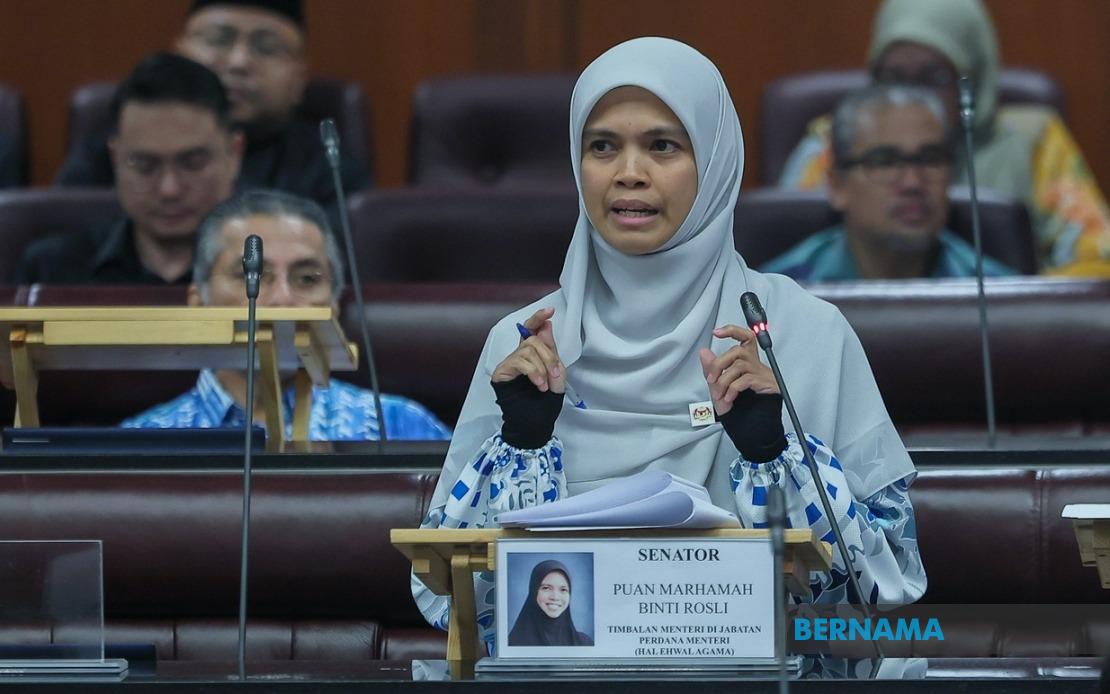
The Malaysian government has unveiled a comprehensive strategy to strengthen Islamic religious practices and education among Muslim Orang Asli communities, signalling renewed commitment to integrating this marginalised group into the nation's broader Islamic development framework. Deputy Minister in the Prime Minister's Department (Religious Affairs) Marhamah Rosli outlined the multi-faceted approach during parliamentary proceedings, emphasising both immediate interventions and long-term structural reforms designed to elevate standards of religious instruction and spiritual guidance across Orang Asli settlements.
At the core of the government's immediate action plan lies an expansion of Fardu Ain (KAFA) daily religious classes paired with concentrated dakwah campaigns timed to coincide with major Islamic observances and festivals. This synchronisation seeks to create teachable moments when religious consciousness runs highest, potentially maximising receptiveness among target populations. The initiative reflects recognition that grassroots Islamic education remains underdeveloped in many Orang Asli communities, where access to formal religious instruction has historically lagged behind mainstream Malaysian Muslim populations. By embedding learning opportunities within communal celebrations, the government hopes to normalise and institutionalise religious practice as integral to cultural identity.
Critical to implementation is the mobilisation of locally-rooted educators through the Orang Asli Community Mobilisers (PMOA) network. This strategy acknowledges that outsiders delivering religious messaging often encounters resistance or cultural disconnect in indigenous settlements. By empowering community members to lead dakwah efforts, the government theoretically increases programme credibility and cultural sensitivity. Currently, seven PMOA coordinators oversee operations, supported by 243 community mobilisers stationed within JAKIM's structures. This localised cadre represents a deliberate effort to build capacity from within rather than imposing external religious authority, a lesson derived from previous development initiatives among Orang Asli populations that failed through insensitive implementation.
The appointment of religious personnel from within Orang Asli communities underscores this philosophy. JAKIM has formally inducted 75 imams and 66 bilals drawn directly from Orang Asli ranks to lead congregational prayers and religious activities. Federal funding now supports 13 administrative assistants who conduct religious classes in village prayer halls, addressing critical resource shortages that previously hampered routine instruction. These appointments represent meaningful employment opportunities for community members whilst simultaneously strengthening institutional religious capacity. The approach mirrors successful human capital development models, though questions remain regarding qualification standards and ongoing professional development for these appointees.
Institutionalising dakwah efforts represents the government's longer-term architectural vision. A newly established Special Orang Asli Dakwah Unit now operates under JAKIM's Islamic Understanding Strengthening Branch, functioning alongside the Du'at Development Division to coordinate programming across multiple stakeholders. This centralisation aims to eliminate duplication, standardise quality, and ensure strategic coherence rather than fragmented local initiatives. The unit's dual focus—both strengthening religious understanding and developing the preachers themselves—suggests recognition that sustainable dakwah requires continuous capacity building among those delivering messages.
Coordination extends across multiple government agencies and religious authorities. JAKIM collaborates with the Islamic Dakwah Foundation Malaysia (YADIM) and state Islamic religious departments and councils, creating vertical and horizontal institutional linkages theoretically capable of mobilising diverse resources and expertise. This multi-stakeholder architecture reflects the complex administrative landscape governing Islamic affairs in Malaysia, where federal agencies, state religious departments, and federal territories maintain distinct jurisdictional mandates. Whether such coordination generates synergy or bureaucratic friction remains empirically uncertain, though centralised oversight through JAKIM suggests the federal government prioritises consistency and control.
Welfare integration distinguishes this initiative from purely religious instruction models. Officials conduct regular interpersonal outreach visits combining religious guidance with spiritual counselling and material assistance. This holistic approach recognises that spiritual receptiveness depends partly on addressing material deprivation and social marginalisation that disproportionately affect Orang Asli populations. Bundling religious messaging with tangible welfare support potentially increases programme uptake and cultivates goodwill, though risks exist that participants may engage instrumentally, prioritising assistance over genuine spiritual transformation. The sustainability of welfare-linked engagement once economic conditions improve remains an open question.
Surau revitalisation constitutes another pillar of the strategy. These village prayer halls serve as crucial institutional anchors for community religious life, yet many suffer from neglect, inadequate maintenance, and underutilisation. Federal funding and appointed personnel address these deficiencies by ensuring regular activity, trained leadership, and sustainable operations. Functional suraus create persistent religious infrastructure within settlements, normalising prayer practices and offering neutral community gathering spaces. Their strengthening represents incremental but meaningful infrastructure development for often-neglected Orang Asli areas.
Progamme effectiveness measurement remains somewhat unclear from available statements. Officials indicate that deploying PMOAs and Orang Asli religious leaders within communities generates monitoring data, though specific metrics, success indicators, and evaluation methodologies remain unspecified. This ambiguity raises questions about accountability and performance assessment. Without transparent, measurable targets, distinguishing genuine programme impact from optimistic official narratives becomes difficult. Malaysian policymakers would benefit from establishing baseline data, clear performance indicators, and independent evaluation mechanisms to substantiate claims of success.
The initiative carries broader implications for Orang Asli rights and integration policy. Strengthening Islamic practice among Muslim Orang Asli aligns with nation-building agendas emphasising Islamic identity as core to Malaysian citizenship. However, tensions exist between integrationist objectives and indigenous autonomy, particularly regarding religious and cultural self-determination. Some scholars question whether dakwah initiatives represent genuine community development or subtle assimilationist pressure eroding distinctive Orang Asli cultural practices. The government frames this as capacity-building and spiritual enrichment, yet local perspectives on whether enhanced Islamic programming genuinely reflects community preferences warrant closer examination.
For Southeast Asian observers, this policy demonstrates how governments deploy religious institutions to advance integration objectives among indigenous or marginalised populations. Malaysia's approach—combining grassroots mobilisation, institutional capacity-building, multi-agency coordination, and welfare integration—offers a model potentially adaptable elsewhere. Yet its success depends fundamentally on community receptiveness, genuine resource commitment, and sensitivity to indigenous agency. The coming years will reveal whether these initiatives generate sustainable religious practice transformation or represent another cycle of development interventions producing limited lasting change among Orang Asli communities.

