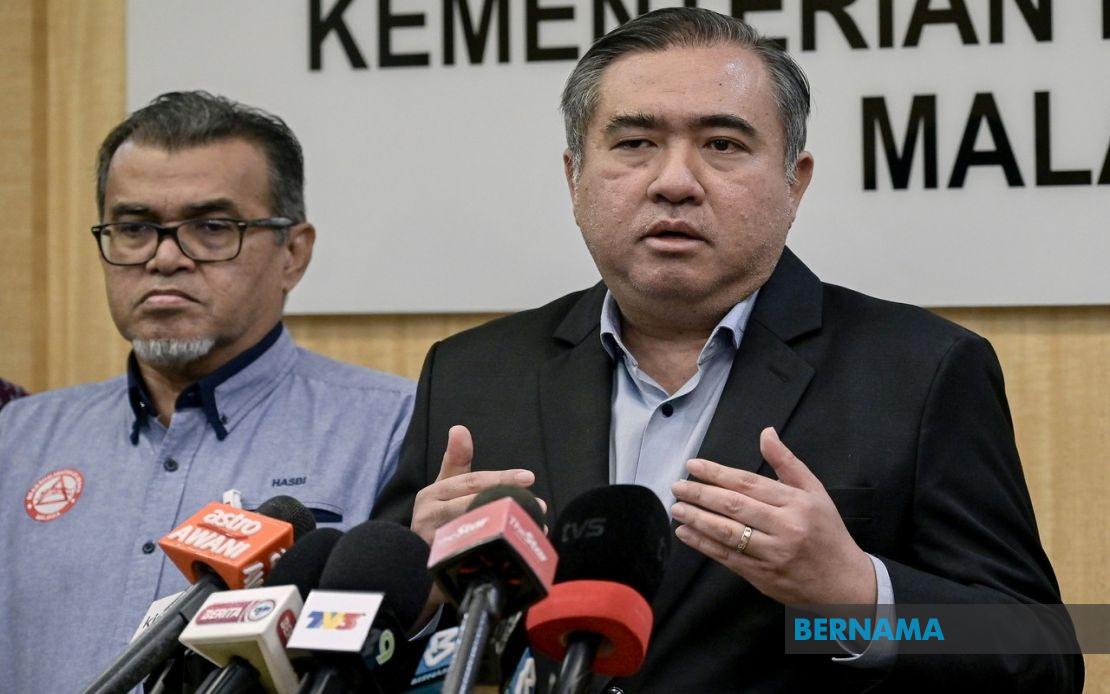
Transport Minister Anthony Loke has drawn a clear distinction between the government's regulatory oversight of port ownership and its non-involvement in the day-to-day management decisions of these critical infrastructure operators. Speaking in Putrajaya, Loke outlined the government's framework for overseeing Malaysia's port sector, emphasizing that while ownership structures remain a matter of national policy, corporate leadership appointments fall squarely within the purview of individual companies and their boards.
The minister's comments come amid international media speculation surrounding recent leadership changes at MMC Ports Holdings Bhd, Malaysia's largest port operator group. The company announced that Sultan Ahmed Sulayem, the former chairman and chief executive of global port operator DP World, has assumed the position of executive chairman following the departure of previous group chief executive officer Azman Shah Mohd Yusof. These developments had sparked questions about whether such high-level appointments involving prominent foreign industry figures required government approval or constituted a shift in the company's operational control.
Loke addressed these concerns by articulating the government's ownership-focused regulatory philosophy. Under current policy, any company granted a concession to operate strategic national assets such as ports must maintain at least 51 per cent Malaysian ownership. This threshold ensures domestic control over critical infrastructure while allowing room for international investment and expertise. The minister stressed that this ownership requirement represents the extent of government intervention in corporate governance matters, with no additional restrictions on management composition or decision-making authority flowing from the capital structure.
The distinction Loke drew reflects a pragmatic approach to port management in an increasingly globalized economy. By separating ownership regulation from operational autonomy, Malaysia positions itself to attract experienced international executives while maintaining ultimate national control. This model acknowledges that port operations benefit from world-class management expertise, particularly as competition intensifies among regional container hubs such as Singapore, Port Klang, and Port of Tanjung Pelepas competing for cargo volumes across Southeast Asia.
Examples of this policy in practice already exist within Malaysia's port infrastructure landscape. The Port of Tanjung Pelepas in Johor, a strategically significant container terminal, has operated successfully under foreign-led executive management without government intervention. This precedent underscores Loke's assertion that international expertise at the executive level does not compromise government interests or national security concerns, provided ownership and strategic control remain in Malaysian hands.
However, the government does maintain vigilance regarding changes to shareholding structures. Loke emphasized that any modifications to ownership patterns require formal notification to the government through channels including the Public-Private Partnership Unit (UKAS). This requirement ensures transparency and prevents circumvention of the 51 per cent Malaysian ownership threshold through indirect means or complex corporate restructuring. The notification mechanism serves as an early warning system for potential shifts in control that might violate the established framework.
Regarding the recent appointment of Sultan Ahmed Sulayem at MMC Ports Holdings, Loke stated that the transport ministry had not received any official notification of shareholding changes from either the company or its concessionaire. This absence of notification suggests, at minimum, that any leadership transitions have not been accompanied by alterations to the fundamental ownership structure. The minister's measured response indicates the government's confidence in the current governance arrangements while leaving open the possibility of future scrutiny should formal notifications eventually be filed.
The minister's comments contextualize port management within Malaysia's broader infrastructure development strategy. As the government pursues digital transformation, productivity improvements, and enhanced operational efficiency across port facilities, attracting skilled international talent in management positions aligns with modernization objectives. Sultan Ahmed Sulayem's extensive background in global port operations and digital innovation particularly reflects this strategic priority, as DP World under his leadership gained reputation for technological advancement and operational excellence.
This regulatory clarity carries implications beyond Malaysian shores. Southeast Asian countries grappling with balancing foreign investment against national control over strategic assets may look to Malaysia's ownership-based framework as a workable middle path. By tolerating foreign management expertise while enforcing domestic ownership majorities, Malaysia demonstrates that protectionism and competitive excellence need not be mutually exclusive—a lesson of increasing relevance as regional governments reassess infrastructure governance amid geopolitical tensions and competition for logistics dominance.
The government's stated policy also addresses potential concerns among Malaysian stakeholders about foreign acquisition of critical infrastructure. Port operations affect shipping costs, supply chain competitiveness, and ultimately the cost of living for Malaysian consumers. By maintaining majority Malaysian ownership, the government preserves leverage over pricing, service standards, and capacity decisions that influence these downstream effects. This ownership structure thus serves as a mechanism for protecting broader public interests even while permitting external management and capital participation.
Looking forward, Loke's pronouncements establish precedent for how the government will evaluate future leadership transitions or capital changes at port operators. The emphasis on formal notification procedures and ownership verification suggests an active monitoring regime that, while non-intrusive regarding day-to-day operations, maintains institutional awareness of significant corporate developments. This balanced approach attempts to harness foreign expertise and investment while preserving the government's capacity to intervene should fundamental ownership or control arrangements come under threat.

