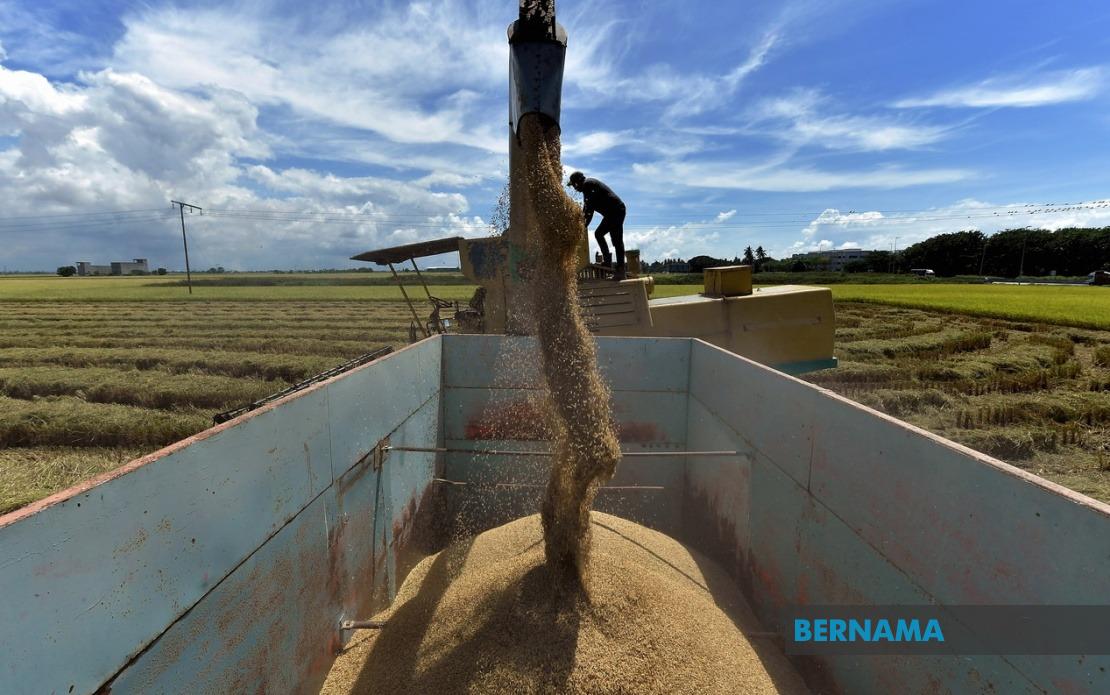
Malaysia's legislative agenda advanced a significant overhaul of agricultural regulation on July 7 when the Control of Padi and Rice Act (Amendment) Bill 2026 received its first parliamentary reading. Agriculture and Food Security Minister Datuk Seri Mohamad Sabu introduced the measure, which represents a substantial tightening of the government's regulatory grip over the nation's critical rice sector. The accelerated legislative schedule suggests the government intends to move through second and third readings during the current parliamentary sitting, indicating the priority attached to these reforms.
The proposed amendments address longstanding concerns about price volatility and compliance in Malaysia's rice supply chain, sectors that touch millions of households daily. By concentrating authority over price-setting mechanisms within the hands of regulatory officials and ministers, the government seeks to introduce greater stability into domestic markets. This reflects broader apprehensions about food security in Southeast Asia, where rice remains central to regional nutrition and remains politically sensitive across multiple administrations.
Penalties for violations form the centerpiece of this legislative revision. For individuals and corporate officers, maximum fines would surge from RM15,000 to RM250,000 on first conviction, while repeat offences would incur penalties up to RM500,000. These figures represent increases of roughly 1,500 percent and 1,900 percent respectively. Corporate entities face even steeper consequences, with first-time violations now carrying maximum fines of RM500,000 compared to the existing RM25,000 cap. Subsequent breaches by companies would trigger penalties reaching RM1 million, up sharply from RM50,000 under current legislation.
These dramatically elevated sanctions reflect the government's determination to deter non-compliance throughout the rice value chain. For traders, millers, and distributors operating in an already competitive sector with thin margins, such financial exposure could fundamentally alter business calculations. The sharp escalation in consequences suggests policymakers view existing deterrents as insufficient to maintain market discipline, particularly given the sector's significance for food affordability among lower-income Malaysian households.
Crucially, the amendments expand the director general's authority to establish both maximum and minimum price floors for padi and rice, granted ministerial approval is secured. This provision marks a departure from previous regulatory frameworks by explicitly enabling command-and-control price mechanisms. The move appears designed to prevent supply hoarding and speculation during periods of scarcity or volatility. By establishing price ceilings and floors simultaneously, regulators gain sophisticated tools to manage both consumer affordability and farmer income support.
The legislative changes also grant ministers new powers to establish grading standards for rice and price controls linked to these grades. This technical enhancement enables differentiated pricing according to quality metrics, potentially rewarding producers who meet higher standards while maintaining affordable options for budget-conscious consumers. Such tiered approaches have proven effective in other agricultural sectors across Asia, where quality-based pricing has encouraged productivity improvements while maintaining social policy objectives.
Additional provisions authorize the Minister to regulate padi purchaser licensing and control the movement of padi and rice throughout the nation. These powers address illicit market activities and ensure regulated channels remain operational. By centralizing authority over physical flows of agricultural commodities, the government can theoretically respond quickly to regional shortages or price surges. However, such concentrated powers also create conditions where implementation efficiency becomes critical, since bureaucratic bottlenecks could inadvertently disrupt supply chains rather than stabilize them.
The bill empowers the Minister to prescribe additional offences through subordinate regulations, with penalties capped at RM15,000 or six months imprisonment or both. This delegated authority provides regulatory flexibility, allowing adjustments as market conditions evolve without requiring fresh legislative action. However, it also raises concerns about the scope of administrative discretion, particularly among industry participants who may struggle to navigate expanding compliance requirements.
From a Malaysian perspective, these amendments warrant scrutiny regarding implementation capacity. Regional governments have occasionally struggled executing sophisticated price controls effectively, with unintended consequences including black market development or supply shortages. The rice sector's integration with ASEAN trade flows adds complexity, as cross-border movements could bypass domestic controls. Policymakers must therefore ensure amendments include provisions addressing imported rice and mechanisms preventing regulatory arbitrage through alternative supply channels.
The legislation also reflects broader tensions in Malaysian agricultural policy between protecting smallholder rice farmers—who operate under challenging climatic conditions and international price pressures—and ensuring consumer affordability. Rice remains a staple food in Malaysia and across Southeast Asia, with price increases triggering social and political ramifications. By granting enhanced regulatory powers, the government signals commitment to managing this delicate equilibrium, though the practical success of such interventions depends heavily on implementation proficiency and market cooperation.
Transition provisions ensure existing investigations and proceedings continue uninterrupted, providing clarity for ongoing compliance matters. This technical provision prevents retroactive complications as the amended framework takes effect. The consolidated approach to penalty enhancement, price control authorization, and licensing supervision suggests comprehensive legislative drafting aimed at closing perceived gaps in the existing regulatory framework.
Looking forward, Malaysia's rice sector participants—encompassing farmers, millers, traders, and retailers—must prepare for a substantially altered operating environment. The sharp increase in violation penalties creates incentives for enhanced compliance systems and documentation practices. Industry associations may need to invest in member education regarding new requirements and potential regulatory expectations. Similarly, government agencies implementing these provisions require adequate resourcing and training to ensure consistent, predictable enforcement.
The bill's rapid parliamentary progression indicates government conviction regarding its necessity. As enforcement mechanisms strengthen and regulatory authority expands, the sector faces a transition toward tighter market governance. Whether this translates into genuine price stability and improved food security outcomes or generates compliance burdens requiring costly adaptation remains to be observed once implementation commences.

