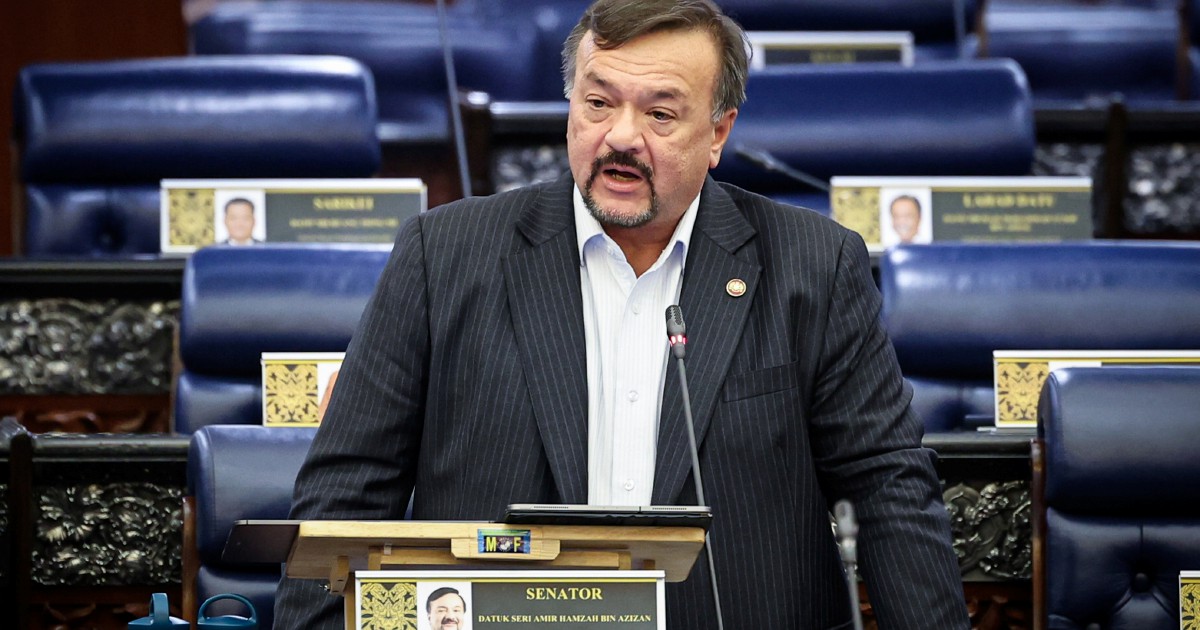
Malaysia's government is weighing the establishment of a unified investigative task force to examine allegations of misconduct at Tabung Haji, according to Finance Minister II Datuk Seri Amir Hamzah Azizan. The potential move signals heightened governmental focus on resolving longstanding concerns about the national Islamic pilgrimage fund, which has faced mounting scrutiny over financial management and governance issues in recent years.
Tabung Haji, which manages the savings of millions of Malaysian Muslims preparing for the hajj pilgrimage, has been at the centre of public controversy following revelations about substantial financial losses and questions surrounding investment decisions and administrative oversight. The institution's challenges have become increasingly difficult to ignore, particularly as media coverage intensifies and stakeholder concerns grow more vocal about how resources entrusted to the fund have been managed.
The proposed multi-agency approach represents a significant shift towards consolidated action rather than fragmented investigations by individual bodies. By bringing together expertise and enforcement authority from multiple government agencies, such a task force could theoretically streamline investigations, reduce duplication of effort, and establish clearer accountability mechanisms. This coordinated structure would allow investigators from different departments to share findings and information more efficiently.
The complexity of potential wrongdoing at a massive financial institution like Tabung Haji demands exactly this kind of comprehensive investigative capacity. The fund's operations span investment management, financial reporting, asset administration, and day-to-day governance functions. Different regulatory bodies—including the Securities Commission, Bank Negara Malaysia, and anti-corruption authorities—each bring distinct expertise that could be pooled to examine the full scope of activities and decisions.
For Malaysian Muslims who have entrusted Tabung Haji with their pilgrimage savings, the government's consideration of such measures offers a measure of reassurance that investigations will be thorough and serious. Millions of account holders depend on the fund's integrity, particularly lower and middle-income Malaysians for whom the hajj represents a major life goal requiring years of disciplined saving. Any mismanagement directly affects their aspirations and financial security.
The announcement comes amid a broader regional context where Southeast Asian nations face growing pressure to strengthen governance in state-owned institutions and religious funds. Transparency and accountability have become increasingly important to Muslim-majority populations across the region, who expect their religious institutions to meet rigorous fiduciary standards. Malaysia's approach to investigating Tabung Haji could set a precedent for how other countries handle similar institutions.
Establishing such a task force, however, raises practical questions about coordination, timeline, and resource allocation. Merging investigators from different agencies requires clear command structures, agreed protocols, and sufficient funding. The government would need to balance the desire for swift action with the complexities of conducting thorough investigations. Moving too hastily risks overlooking crucial evidence, while delays frustrate stakeholders seeking answers.
The broader implications extend to Malaysian public confidence in financial institutions, particularly those with Islamic mandates. If Tabung Haji investigations uncover significant failures in oversight or misconduct, the government's response will test its commitment to accountability. Conversely, if the process is perceived as insufficiently rigorous or transparent, it could deepen scepticism about institutional governance more widely. Southeast Asian observers will be watching closely to assess whether Malaysia can effectively investigate and address the situation.
For investors and stakeholders beyond the direct account holder base—including those monitoring Malaysia's compliance with international financial governance standards—the task force announcement signals that authorities are taking the matter seriously at ministerial level. International confidence in Malaysian financial institutions depends partly on demonstrated willingness to investigate and remedy governance failures transparently and thoroughly.
The government's consideration of this approach also reflects practical realities: a single agency may lack the statutory authority, investigative resources, or technical expertise to comprehensively examine all suspected wrongdoing. A construction engineer investigating fraud differs from specialists in complex financial engineering. Pooling different agencies' capabilities would address this expertise gap while distributing the investigative burden more equitably across government.
For Tabung Haji itself, the prospect of coordinated investigations may complicate near-term operations but could ultimately strengthen institutional legitimacy. If investigations identify specific failures, the fund can implement targeted reforms. Clear findings—whether exonerating or implicating specific individuals or practices—are preferable to persistent uncertainty, which undermines public confidence and deterred new contributions.
As the Finance Ministry deliberates on task force structure and membership, stakeholder engagement will be crucial. Account holders, religious leaders, consumer advocates, and civil society organisations representing pilgrims' interests could provide valuable perspective on priorities and concerns. Their input might shape which issues receive investigative emphasis and what remedial measures would restore confidence most effectively.

