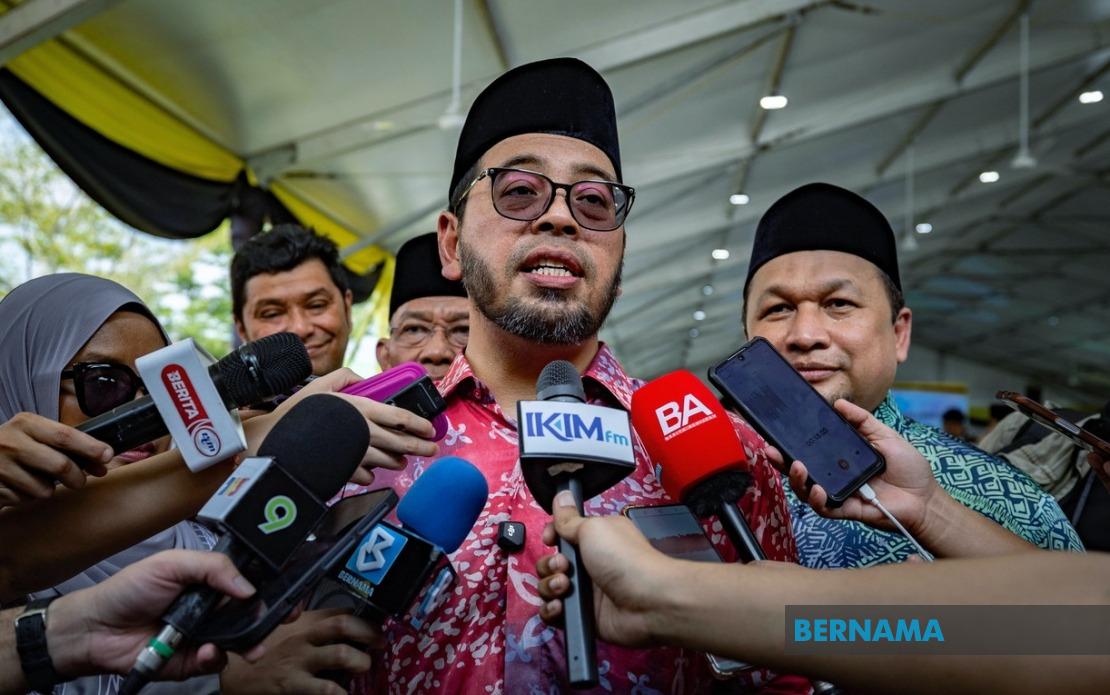
The federal government has reaffirmed its commitment to treating Islamic boarding schools and religious educational institutions as essential partners in Malaysia's development blueprint, positioning them alongside conventional infrastructure and economic initiatives as drivers of national progress. Minister Dr Zulkifli Hasan articulated this vision at the 2026 Perak Pondok and Religious Schools Gathering in Chemor, underscoring a philosophical shift in how authorities measure societal advancement—one that weighs human capital and moral development equally with material prosperity.
At the heart of this strategy lies a fundamental belief that economic strength and physical infrastructure alone cannot define a thriving nation. Instead, the government contends that lasting progress hinges on cultivating citizens grounded in values and ethical principles. This perspective mirrors broader conversations across Southeast Asia about balancing rapid modernisation with cultural and spiritual preservation, a tension particularly acute in Muslim-majority economies navigating globalisation.
The Prime Minister's Department (Religious Affairs) has positioned itself as the coordinating hub for this collaborative vision, pledging to work systematically with state administrations, State Islamic Religious Departments, State Islamic Religious Councils, and grassroots religious educators. This multi-tier approach suggests recognition that Islamic education in Malaysia operates through complex institutional networks spanning federal oversight, state religious bodies, and community-level organisations—each requiring alignment to achieve coherent educational standards and outcomes.
Prime Minister Datuk Seri Anwar Ibrahim's formal inauguration of the gathering lent considerable symbolic weight to the initiative, signalling top-tier political endorsement. His presence alongside Perak Menteri Besar Datuk Seri Saarani Mohamad and Chief Secretary to the Government Tan Sri Shamsul Azri Abu Bakar demonstrated cross-cutting governmental buy-in, suggesting the policy enjoys backing across federal, state, and administrative hierarchies. Such coordination matters significantly in Malaysia's federal system, where religious affairs straddle concurrent powers between federal and state governments.
The event itself drew approximately 3,000 participants representing a cross-section of Malaysia's Islamic educational ecosystem—pondok institution leaders, madrasah educators, KAFA teachers, civil society representatives, and community members. This diverse attendance indicates the breadth of stakeholders involved in delivering religious education beyond formal schooling, reflecting how Islamic learning permeates Malaysian society through multiple channels beyond state-run institutions.
A notable component involved tangible assistance to struggling families and institutions. Minister Zulkifli distributed MADANI Aid Baskets symbolically representing 250 local beneficiaries, while the gathering facilitated broader resource distribution including essential foodstuffs, financial support to pondok and religious schools, student fee sponsorships, and backing for accelerated Sijil Pelajaran Malaysia programmes. These interventions address the financial vulnerabilities of many Islamic educational institutions, which frequently operate with constrained budgets compared to mainstream public schools.
The intellectual dimensions emerged through a dedicated Murobbi forum examining religious scholars' roles in nation-building, featuring established figures including Kelantan-based Sheikh Wazir Che Awang Al-Makki, former Perak mufti Datuk Seri Wan Zahidi Wan Teh, and preacher Ustaz Mohamad Saifuddin Abdul Latiff. Such forums serve multiple purposes: they affirm religious educators' social standing, create platforms for articulating Islamic perspectives on governance and development, and foster intellectual exchange among thought leaders navigating how religious institutions adapt to contemporary challenges.
The gathering sits explicitly within the Malaysia MADANI framework, the government's broader aspirational agenda emphasising citizen welfare and human development. By anchoring Islamic educational support within this national vision, authorities attempt to position religious institutions not as parallel systems operating separately from state priorities, but as integral to achieving MADANI's people-centric development goals. This framing carries importance for public legitimacy and institutional cooperation.
For Malaysia's Islamic education sector specifically, the government's recognition addresses long-standing concerns about resource constraints and institutional marginalisation relative to conventional schooling. Many pondok and madrasah institutions have relied historically on community donations and limited state support, operating on shoestring budgets despite educating hundreds of thousands of Malaysian students. Enhanced government partnership potentially signals increased allocations and systematic support, though implementation details remain crucial—policy announcements often precede substantive resource transfers.
The emphasis on relevance and contemporary applicability within traditional Islamic frameworks reflects broader tensions within Southeast Asian Islamic education. As Malaysia modernises economically and technologically, religious institutions face pressure to remain educationally competitive while maintaining doctrinal integrity. The government's commitment to "structured, high-quality and relevant" religious education suggests attempts to reconcile these competing demands through closer coordination with state authorities capable of facilitating curriculum modernisation and teacher development.
Yayasan Dakwah Islamiah Malaysia (YADIM), which organised the gathering, represents the interface between state Islamic affairs apparatus and community-level religious work. YADIM's role coordinating distribution of support—from charitable aid to fee sponsorships—illustrates how the government channels assistance through established Islamic civil society organisations rather than solely through bureaucratic mechanisms. This approach potentially enhances reach and cultural legitimacy within religious communities.
For Malaysia's broader religious policy landscape, the gathering demonstrates continued state investment in Islamic institutional development even amid competing budgetary pressures. This commitment reflects both genuine ideological priority placed on values-based development and pragmatic recognition that religious institutions command significant social influence. Maintaining cooperative relationships with Islamic schools and pondok leaders strengthens government capacity to shape religious discourse and education within acceptable parameters.
Looking forward, the sustainability of enhanced government support depends on converting rhetorical commitment into consistent resource allocation and meaningful operational coordination. Malaysian religious institutions will watch whether the partnership translates into improved facilities, teacher remuneration, curriculum flexibility, and student pathways—concrete improvements that justify optimism about long-term institutional strengthening.

