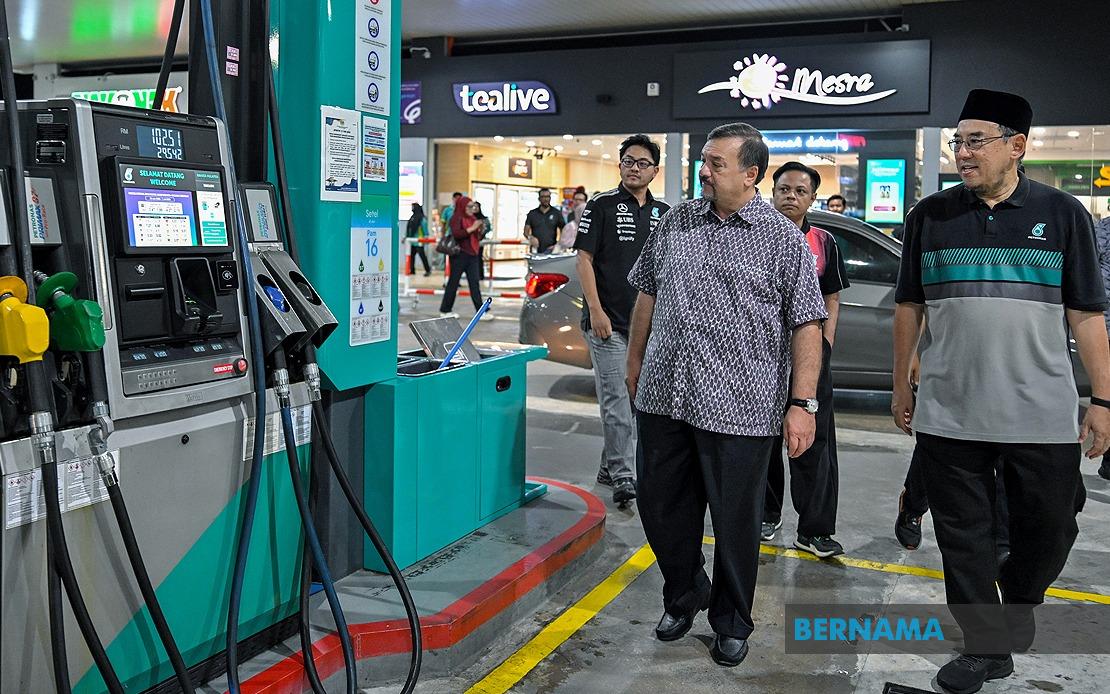
The BUDI MADANI Diesel initiative is already demonstrating substantial take-up among eligible vehicle owners, with the official portal recording more than 18,000 applications for the additional 100-litre monthly subsidy as of 10 pm on June 28. The second day of early implementation in Peninsular Malaysia has proceeded without disruption, according to Second Finance Minister Datuk Seri Amir Hamzah Azizan, who inspected operations at a Petronas service station on the NKVE Damansara Bound route alongside Treasury secretary-general Tan Sri Johan Mahmood Merican.
The programme's initial performance metrics reveal robust engagement across the user base. In just 24 hours, the system has processed more than 40,000 individual transactions, indicating that the digital infrastructure is handling the load effectively. These figures suggest that vehicle owners who qualify—primarily those operating diesel-powered pickup trucks and sport utility vehicles—view the subsidy as meaningful enough to justify completing the application process. The breadth of participation also reflects confidence among eligible users that the system works as intended.
Access to the application process has been designed with multiple entry points to accommodate different user preferences and technical capabilities. The primary channel remains the official BUDI MADANI portal, which operates online to enable applications at any time. However, recognising that not all vehicle owners may be comfortable navigating digital platforms, the government has established alternative support mechanisms. Staff at Inland Revenue Board offices, Urban Transformation Centres, and service counters operated by participating oil companies can assist applicants who require guidance. This tiered approach has likely contributed to the rapid accumulation of submissions.
One innovative feature introduced addresses a practical complication inherent in vehicle ownership structures. A quota transfer facility allows situations where the registered vehicle owner differs from the actual user—a circumstance common in family vehicles, fleet operations, or borrowed assets. Applications for such transfers flow through the same portal, and once approved, the system relinks the quota to the new user's identity card number. This technical elegance ensures that subsidies reach the person actually purchasing fuel, preventing inefficiencies and misuse while maintaining an audit trail.
The verification mechanism for transferred quotas operates at point of sale, relying on identity card matching at petrol station terminals. When a user presents their card at a fuel pump, the system recognises whether a quota transfer has been executed and validates the transaction accordingly. Critically, the quota amount itself remains tied to the vehicle registration, even after transfer, meaning it cannot be used by individuals other than the designated transferee. This dual-anchoring—linking both the vehicle and the individual—creates a security framework that prevents quota shopping or reselling.
The subsidised pricing structure itself represents a significant support mechanism for eligible groups. During the early implementation phase, diesel has been offered at RM2.15 per litre, with a further reduction to RM2.10 per litre taking effect from Wednesday, June 30. Eligible users benefit from a flexible quota of up to 200 litres monthly, though applications have specifically focused on the additional 100-litre allocation. For owners of commercial pickup trucks or rural SUVs, this pricing and volume can translate into tangible monthly savings, particularly in regions where fuel costs represent a substantial operating expense.
From an operational standpoint, the absence of reported technical problems or petrol station friction during the first two days is noteworthy. The government's coordination with oil company operators appears to have successfully prepared retail networks for the modified transaction flows. No queuing issues, system errors, or disputes between retailers and consumers have surfaced in early reports. This smooth rollout contrasts with the launch complications that sometimes accompany large-scale subsidy programme implementations in the region, suggesting that technical planning and stakeholder engagement have been adequate.
The programme's broader policy context involves targeted support for specific vehicle categories viewed as economically significant or essential for rural and commercial livelihoods. Pickup trucks and SUVs occupy a particular niche in Malaysia's vehicle ecosystem—they serve as both personal transport and work vehicles for farming, construction, and small business operators. By concentrating subsidy support on diesel versions of these categories rather than universalising fuel support, the government has attempted to balance fiscal constraints with sectoral needs. This narrower targeting also reduces the overall budgetary exposure compared to economy-wide fuel subsidies.
For Malaysian readers and businesses reliant on diesel-powered vehicles, the BUDI MADANI Diesel programme represents meaningful cost relief, though its scope remains circumscribed. The initial takeup suggests that eligible owners view the subsidy as valuable enough to justify application effort. The government's preparedness to handle 40,000 transactions daily and process thousands of quota applications without service degradation indicates technical capacity, though sustained performance as the programme matures into routine operation will require continued attention.
The introduction of quota transfer facilities also signals government flexibility in responding to real-world usage patterns rather than rigid administrative categories. This adaptive element may prove important as the programme accumulates feedback from actual users. Looking forward, the government's stated commitment to maintaining smooth operations through the official July 1 transition suggests that the early implementation phase is intended to identify and resolve issues before the full programme launch, allowing officials to adjust processes, messaging, or technical systems based on early experience.
For the broader Southeast Asian context, Malaysia's approach to diesel subsidy targeting and digital verification offers lessons in programme design. As regional governments navigate inflationary pressures and fiscal constraints, balancing support for transport-dependent sectors with sustainable public finances remains challenging. The BUDI MADANI framework's emphasis on identity verification, quota transfers, and multiple access channels demonstrates an attempt to reduce leakage and ensure benefits reach intended beneficiaries—objectives that other economies exploring targeted subsidy approaches may find instructive as they design their own initiatives.

