The Malaysian government has moved to restore fuel relief for journalists and media professionals by increasing the monthly BUDI MADANI RON95 subsidy quota back to 300 litres effective September 1, reversing a reduction implemented earlier this year. The decision marks a policy reversal that directly addresses complaints from the media industry about mounting operational costs, particularly affecting news workers stationed throughout the country's states.
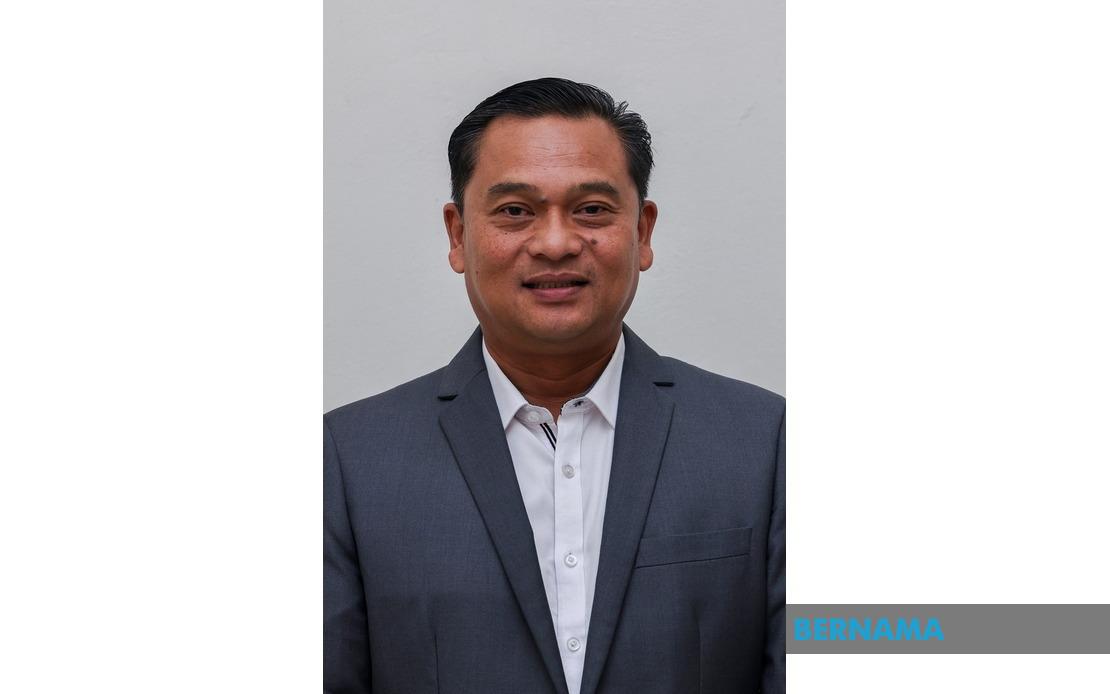
The Association of Malaysian Media Clubs, known locally as GKMM, has publicly endorsed the government's decision, characterizing it as meaningful support for the country's journalism workforce. According to GKMM president Mohd Fauzi Ishak, the restoration of the quota to its previous level delivers substantial relief, especially to media practitioners working outside the capital region who have struggled financially under the temporary cut to 200 litres per month that began in April 2026.
The financial pressure on state-based journalists has been acute. Under the reduced quota, media workers faced the prospect of exhausting their monthly fuel allocations and having to purchase additional petrol at unsubsidized rates, creating an unexpected drain on personal finances. These professionals already shoulder considerable logistical expenses as part of their daily responsibilities, including travel to assignment locations, attendance at press conferences and media events, and the general commuting required to maintain news gathering operations across their coverage areas.
Mohd Fauzi emphasized that the reinstatement represents a practical acknowledgment of the sector's operational realities. The cost of fuel constitutes a significant component of a journalist's monthly expenditure, particularly for those who must traverse considerable distances within their assigned states to cover developing stories and maintain source relationships. The restoration of the higher quota acknowledges this structural reality of modern media work in Malaysia.
Beyond the immediate relief, GKMM has signaled that the organization will encourage media companies and news agencies throughout Malaysia to examine their current incentive structures and allowance frameworks for journalists. The association appears to be building momentum for broader recognition of rising workplace costs, using the fuel quota restoration as a launching point for discussions about comprehensive compensation adjustments. Given the escalating expenses associated with news gathering in the contemporary environment, GKMM suggests that media employers should consider supplementary benefits or logistics allowances specifically designed to offset the elevated costs journalists now encounter.
Prime Minister Datuk Seri Anwar Ibrahim announced the restoration during his National Day 2026 address at the Putrajaya International Convention Centre, positioning the move within a broader framework of government support for Malaysian consumers. The Prime Minister's statement underscored that approximately 16 million Malaysians enrolled in the BUDI MADANI programme will continue to access RON95 petrol at the subsidized price of RM1.99 per litre, maintaining the affordability threshold that makes the programme valuable to low and middle-income households.
The government's initial decision to reduce the quota had occurred in March 2026 when authorities announced the adjustment from 300 litres to 200 litres, citing the regional security situation in West Asia as justification for the tightening of subsidy allocations. The geopolitical context had influenced energy policy calculations, with policymakers apparently seeking to recalibrate the fiscal burden of fuel subsidies amid broader economic considerations. However, the April implementation appears to have generated sufficient friction, particularly from organized groups like GKMM representing professional constituencies, that prompted a reconsideration within a five-month timeframe.
The fuel subsidy programme itself represents a significant government commitment to price stability in the Malaysian economy. By maintaining the BUDI MADANI structure, the government continues to shield millions of citizens and workers from international crude oil price volatility, effectively absorbing the differential between global market rates and the domestic retail price point. This approach reflects a longstanding Malaysian policy prioritizing social stability and household economic resilience through energy price regulation.
For media practitioners specifically, the restoration carries implications beyond simple budgetary relief. The sustainability of regional news coverage depends substantially on journalists' ability to operate without incurring unexpected personal financial burdens. When fuel quotas compress, the practical consequence is reduced field reporting capacity as journalists must make difficult choices about which stories to pursue based on fuel availability rather than newsworthiness. The quota restoration therefore supports the broader public interest in maintaining robust media coverage across all Malaysian states.
The decision also reflects a recognition that different professional sectors face distinct operational pressures. Media practitioners differ from general consumers in that fuel expenditure constitutes a business necessity rather than discretionary spending. A journalist cannot simply reduce driving to conserve fuel allocations in the way a private motorist might curtail leisure driving. This structural distinction appears to have influenced the government's reconsideration of the temporary reduction.
Moving forward, the restored quota creates a window for media organizations to strengthen their internal support systems for journalists. GKMM's call for employers to examine new incentives and allowances suggests that industry stakeholders view the fuel quota as one component of a broader support ecosystem. Whether media companies will respond proactively to this encouragement remains to be seen, though the association's public statement has effectively placed the issue on industry agendas.
The September 1 implementation date provides sufficient lead time for affected media practitioners to adjust their budgeting assumptions and for media organizations to communicate the change to their staff. The restoration to 300 litres monthly aligns the quota with the allocation that prevailed before April, creating a return to the recent baseline rather than introducing entirely new parameters. This continuity may facilitate administrative implementation while providing the intended relief to the journalism workforce across Malaysia's diverse geographic expanse.

