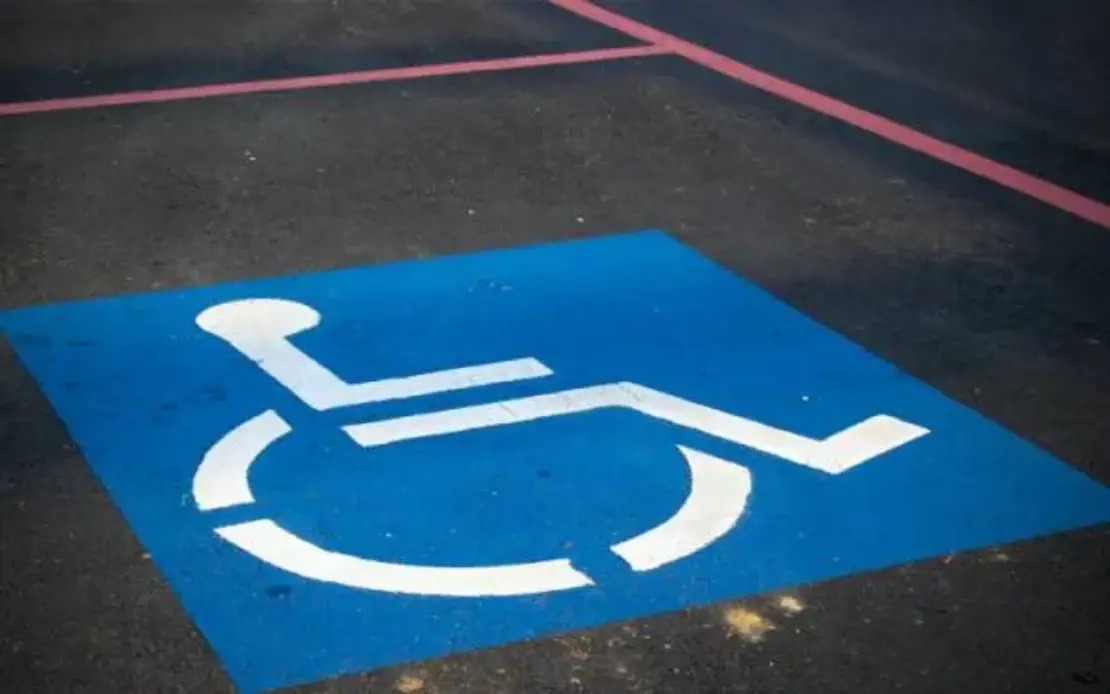
The Malaysian government is taking decisive action to curb widespread abuse of disabled parking spaces by introducing a reinforced legal apparatus that will empower local authorities to crack down on offenders more aggressively. Deputy Housing and Local Government Minister Datuk Aiman Athirah Sabu announced that the Transport Ministry and Housing and Local Government Ministry have secured approval for comprehensive legislative reforms aimed at protecting parking facilities reserved for people with disabilities. The initiative, endorsed at the National Council for Local Government meeting on August 20, 2025, represents a significant shift towards more uniform enforcement mechanisms across the country's municipalities and local councils.
The new framework establishes standardised legal authority for all local councils nationwide, eliminating the inconsistencies that have previously allowed offenders to exploit gaps in enforcement. Prior to this approval, varying by-laws and guidelines across different jurisdictions created a patchwork approach where penalties and enforcement intensity differed substantially from one area to another. This fragmented system undermined compliance, as violators often faced minimal consequences in lenient jurisdictions. The coordinated approach now ensures that disabled parking bays receive consistent protection regardless of which council administers the area, strengthening the deterrent effect of legal sanctions.
Enforcement action will now be pursued with considerably greater vigour, according to Datuk Aiman Athirah, who emphasised that authorities will impose maximum compound penalties and undertake mandatory vehicle towing. These enforcement tools represent a meaningful escalation from previous practice, where fines alone often proved insufficient to deter repeat offences. The introduction of vehicle towing creates substantial inconvenience and cost for violators, making the consequences tangible and immediate rather than abstract. For disabled individuals and their families, this development should translate into improved access to the parking facilities designated for their use, reducing frustration and the practical difficulties caused by unavailable spaces.
The significance of this initiative extends beyond mere convenience. Disabled individuals often face mobility constraints that make convenient parking access essential rather than optional. When non-disabled drivers occupy these spaces, they force people with disabilities to park at greater distances, potentially causing physical strain or making outings altogether too demanding. Elderly persons and those with chronic illnesses particularly depend on these spaces to maintain independence and participate in community life. By strengthening legal protections, the government acknowledges this accessibility issue as a fundamental rights concern affecting vulnerable populations.
Meanwhile, the Department of Orang Asli Development is pursuing a distinct but equally important governance issue through its harmonious advocacy approach with state authorities regarding customary land matters. Deputy Rural and Regional Development Minister Datuk Rubiah Wang reported that the ministry continues negotiating land-related concerns affecting indigenous communities through collaborative channels with state governments. This measured approach reflects recognition that land issues require sensitive handling and coordination across multiple governmental levels, particularly where customary rights intersect with state authority.
The ministry is simultaneously fine-tuning proposed amendments to the Aboriginal Peoples Act 1954, focusing on non-land-related provisions that nevertheless hold substantial importance for Orang Asli communities. The revisions address definitions and terminology that better reflect contemporary understanding of indigenous rights and governance structures. Among the key proposals are formal recognition of customary councils and establishment of the Peninsular Orang Asli Advisory Council, which would provide institutional mechanisms for indigenous communities to influence policies affecting them. These institutional changes carry significance beyond their technical language, as they represent increasing formalisation of indigenous governance voice within Malaysia's administrative structure.
Additional amendments cover provisions relating to adoption, education, and the registration of Orang Asli marriages and divorces. These matters touch the lived experiences of indigenous communities, affecting family structures and educational access. The proposed changes suggest recognition that current legislation may inadequately address the particular circumstances and cultural practices of Orang Asli populations. Before advancing to Cabinet approval, the ministry will undertake comprehensive harmonisation work to ensure consistency with existing legislation and current legal circumstances, a process that requires careful attention to avoid unintended conflicts between old and new provisions.
In the education sector, the government is implementing multilayered safety reforms through mechanisms that extend beyond traditional administrative responses. Deputy Minister Wong Kah Woh outlined the establishment of a Special Committee on Education Institution Safety Reform, which assembles diverse stakeholders including Education Ministry officials, external experts, government agencies, non-governmental organisations, UNICEF representatives, and the National Union of the Teaching Profession. This composition reflects understanding that school safety requires expertise and perspectives beyond government alone, incorporating international development experience and practitioner knowledge from educators themselves.
The Education Ministry is strengthening standard operating procedures for reporting and managing student disciplinary issues, recognising that transparent, consistent processes reduce opportunities for abuse and build confidence among students, parents, and educators. Complementing these procedural improvements, the ministry is enhancing the MADANI Generation Character Development Programme and expanding the role of peer support leaders in fostering student character development. These initiatives acknowledge that institutional safety depends not solely on surveillance or punishment, but on building positive peer relationships and prosocial values that discourage harmful behaviour.
The 2027 School Curriculum incorporates significant restructuring of the Reproductive and Psychosocial Health Education component, moving beyond biological instruction toward comprehensive development aligned with students' developmental stages. The enhanced curriculum emphasises basic health literacy, anatomical knowledge, personal hygiene practices, and critically, the capacity to identify and respond appropriately to unsafe touch. This focus on distinguishing safe from unsafe physical contact addresses growing recognition that effective child protection requires young people themselves to develop awareness and agency regarding their own bodily autonomy. The psychological dimension of this education recognises that safety ultimately depends on informed, confident young people capable of identifying and reporting inappropriate behaviour.
These three separate policy initiatives—strengthened disabled parking enforcement, Orang Asli governance reforms, and education institution safety mechanisms—reflect a government attempting to address systemic weaknesses affecting different vulnerable populations. The disabled parking framework tackles practical accessibility barriers; the indigenous affairs amendments address formal recognition and governance participation; and the education measures protect children from institutional harm. While distinct in their domains, all three share the characteristic of attempting to standardise, formalise, and strengthen protections that had previously relied on inconsistent or informal approaches. The effectiveness of these measures will depend substantially on implementation rigour and resource allocation in the coming months.

