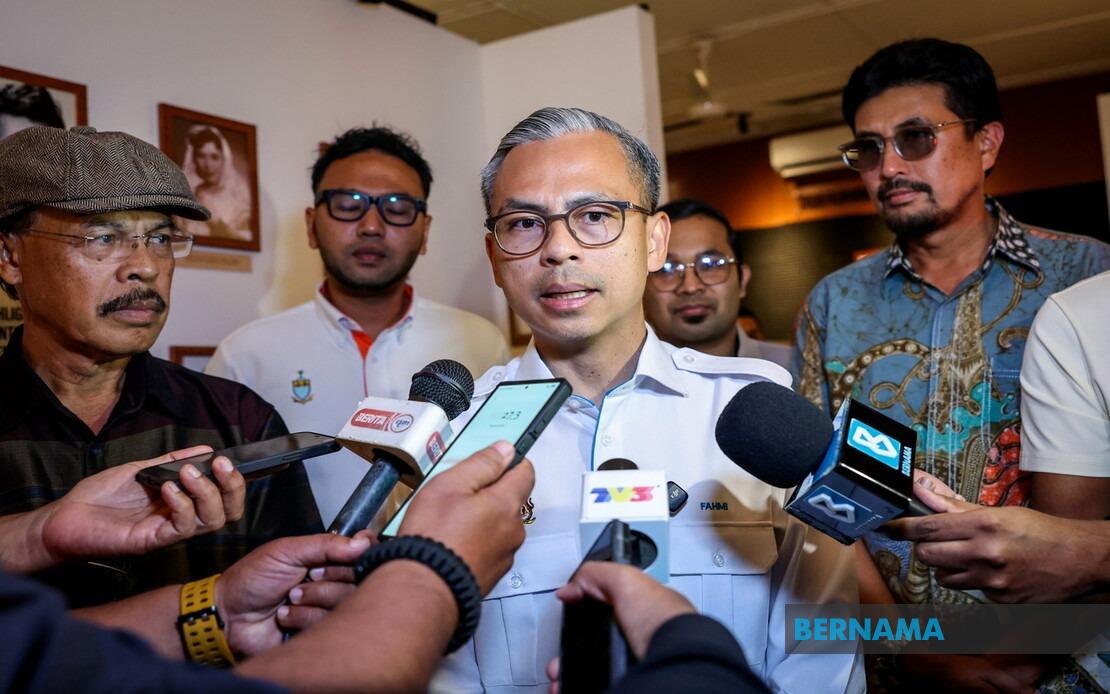
The Malaysian government has committed to studying initiatives aimed at strengthening the Nordin Ahmad Gallery at Sekolah Kebangsaan Permatang Pasir in Bukit Mertajam, Penang, as part of a broader effort to safeguard Malay cinema treasures and cultural assets for succeeding generations. Communications Minister Datuk Seri Fahmi Fadzil made the announcement following a visit to the gallery on July 25, signalling government recognition of the importance of preserving Malaysia's film heritage through institutions like this newly established space.
The gallery, which opened in January 2025, serves as a tribute to Datuk Nordin Ahmad, a towering figure in Malaysia's golden age of cinema who starred in iconic productions including Semerah Padi (1956) and Hang Jebat (1961). The facility occupies a restored section of the historic Sekolah Kebangsaan Permatang Pasir building, originally constructed in 1888 and the same institution where Nordin Ahmad himself studied during his formative years. This location adds genuine historical resonance to the exhibition, creating a tangible connection between the film legend's early life and his later achievements in the entertainment industry.
Fahmi indicated that he would engage in discussions with the Unity Ministry to determine the most appropriate form of assistance and support, given that museum management falls within that ministry's purview. The minister's decision to involve multiple government agencies reflects the cross-portfolio nature of cultural preservation efforts in Malaysia, requiring coordination between communications, unity, and cultural authorities. His commitment extends beyond financial support to encompassing advisory services that could enhance operational capacity and strategic direction for the gallery's long-term sustainability.
The Communications Minister specifically requested that the National Film Development Corporation Malaysia (FINAS), represented at the visit by CEO Datuk Azmir Saifuddin Mutalib, contribute archival materials to the collection. This includes high-resolution versions of classic film clips featuring Nordin Ahmad, which would significantly enrich the gallery's offerings and provide visitors with access to digitally restored cultural materials. Such contributions would bridge the gap between historical preservation and contemporary viewing standards, ensuring that these treasures remain accessible and engaging for modern audiences.
Beyond traditional archival support, Fahmi advocated for modernising the gallery's presentation methods to resonate more effectively with younger Malaysian visitors. He proposed leveraging digital technology and social media platforms to expand the facility's cultural impact, suggesting innovations such as interactive filters or custom backgrounds that would enable visitors to create TikTok content connected to the Nordin Ahmad legacy. This approach represents a contemporary strategy for cultural institutions seeking to remain relevant in an increasingly digital media landscape, particularly among youth demographics who consume content primarily through social platforms rather than physical museum visits.
The Nordin Ahmad Gallery initiative also reflects broader national efforts to document and celebrate Malaysia's contributions to Southeast Asian cinema. The late actor's prominence during the classic Malay film period cannot be overstated; he epitomised an era when Malaysian cinema produced works of significant cultural and artistic merit that circulated throughout the Malay-speaking world. By establishing a dedicated space to examine his career and influence, the gallery helps ensure that contemporary and future audiences understand the foundations of Malaysian film history and the artistry that defined earlier generations.
The restoration project received financial and administrative support through multiple channels, including the Seberang Perai Town Grant Programme under the Levelling Up Seberang Perai initiative, with coordination from the Implementation Coordination Unit within the Prime Minister's Department. The Penang Museum and Art Gallery Board also contributed to the endeavour, demonstrating how heritage preservation in Malaysia typically involves partnerships across state and federal institutions. This collaborative model has enabled the conversion of a significant portion of the century-old school building into a modern exhibition space without compromising its historical integrity.
The timing of government attention to the gallery is particularly poignant given that Nordin Ahmad, who passed away 55 years ago, was posthumously honoured with the Darjah Setia Pangkuan Negeri (DSPN) title of Datuk at Penang's State Awards ceremony on July 11. This recognition, coinciding with the 85th birthday celebration of the Yang Dipertua Negeri Pulau Pinang Tun Ramli Ngah Talib, underscores official acknowledgement of Nordin Ahmad's enduring cultural significance. The posthumous award lends additional legitimacy and momentum to current efforts to preserve his memory and artistic contributions.
Activists and professionals within Penang's arts community have demonstrated considerable dedication to honouring Nordin Ahmad's legacy, with the Penang Karyawan Association, represented by president Datuk Dr Sohaimi Abdul Aziz, playing a central role in conceptualising and realising the gallery project. Fahmi's statement of support for these grassroots cultural efforts acknowledges that heritage preservation frequently depends on passionate individuals and organisations willing to invest time and resources into documentation and public engagement. Government assistance, when forthcoming, amplifies these community initiatives and ensures they achieve sustainable institutional status rather than remaining vulnerable to the vicissitudes of individual commitment.
The gallery's exhibition space features archival photographs, memorabilia, and digital materials tracing Nordin Ahmad's life and professional journey, offering visitors a comprehensive overview of his contributions to Malaysian cinema. For Malaysian readers, particularly those with interest in film history or cultural preservation, the gallery represents an accessible resource for understanding an important chapter of national entertainment heritage. For younger Malaysians unfamiliar with the classic film era, it provides contextual education that helps explain the foundations upon which contemporary Malaysian cinema has been built.
Looking forward, the government's commitment to enhancing the gallery through improved digital offerings, expanded archival resources, and more interactive presentation methods should position the facility as a model for how Malaysia approaches cultural heritage preservation in the twenty-first century. As regional custodian of valuable Malay-language cultural assets, Malaysia has both an opportunity and responsibility to ensure that masterworks and the artists who created them are remembered, studied, and celebrated by future generations across Southeast Asia.

