The Malaysian government has committed to enhancing its targeted fuel subsidy scheme across Sabah and Sarawak by systematically incorporating feedback from grassroots communities. Minister in the Prime Minister's Department (Sabah and Sarawak) Datuk Mustapha Sakmud announced that ongoing consultations involving multiple stakeholders, state governments, and federal agencies will continue to shape how the initiative develops. The refinement process reflects an acknowledgment that the initial rollout has revealed practical challenges requiring attention, particularly in regions with unique geographic and logistical considerations.
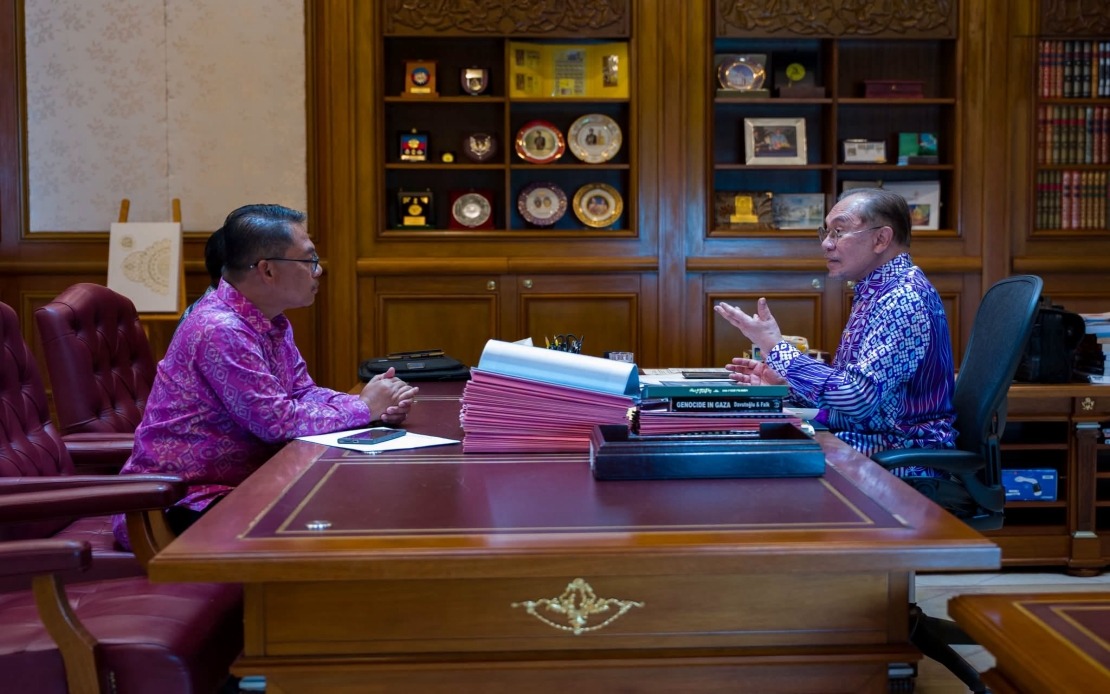
Prime Minister Datuk Seri Anwar Ibrahim has personally engaged with affected communities to understand the difficulties encountered since the programme's launch. Mustapha highlighted that despite the Prime Minister's demanding schedule, he has made time to listen directly to residents about their experiences with the BUDI Diesel initiative in Sabah. This direct engagement signals a departure from top-down policy implementation, suggesting the administration recognises that targeted subsidies affecting citizens' daily mobility require genuine consultation rather than simply broadcasting policy details.
The BUDI Diesel initiative commenced nationally on July 1, establishing a framework where eligible private diesel vehicle owners receive a basic monthly allocation of 200 litres at the subsidised rate of RM2.10 per litre. The scheme extends further flexibility for owners of sport utility vehicles and pickup trucks, who may apply for an additional 100 litres monthly if they satisfy specified requirements. This tiered approach aims to balance fiscal sustainability with the genuine transportation needs of different user categories, though implementation across Sabah and Sarawak has reportedly generated concerns requiring government attention.
For Malaysian policymakers, the subsidy refinement exercise presents both challenges and learning opportunities. Sabah and Sarawak face distinct logistical environments compared to Peninsular Malaysia, with dispersed rural populations, limited infrastructure, and greater dependency on vehicle transport for economic participation. The government's willingness to adjust implementation mechanisms based on community input suggests recognition that a one-size-fits-all approach may inadequately address these regional variations. Rural residents particularly depend on affordable fuel access to maintain livelihoods, whether through agricultural activities, small-scale commerce, or accessing essential services across considerable distances.
The consultation process underway indicates the government's commitment to the underlying principle that policy affecting ordinary Malaysians should incorporate their lived experiences. Mustapha articulated this commitment through the phrase "the voice of the people is a sacred voice," emphasising that urban and rural concerns command equal attention within the MADANI Government framework. This rhetoric, while politically important, also reflects practical reality: subsidies that fail to meet actual community needs generate resentment and undermine policy objectives regardless of fiscal intentions.
Stakeholder engagement in subsidy refinement typically involves multiple actors with sometimes competing interests. Transport associations, rural community groups, state administrative bodies, petroleum companies, and federal economic agencies each bring distinct perspectives on how the scheme functions. Effective refinement requires navigating these competing viewpoints while maintaining focus on the underlying policy goal: ensuring fuel affordability for genuine transportation needs without creating unsustainable fiscal burdens or perverse incentives for misuse.
The timing of this refinement announcement, weeks into the programme's operation, suggests early implementation has exposed specific issues requiring prompt correction. Initial challenges might include difficulties with the application and quota-management systems, unexpected geographic disparities in fuel availability, or community concerns about eligibility criteria. The government's readiness to acknowledge these difficulties and commit to responsive adjustment indicates confidence in the scheme's core design while accepting that execution requires flexibility.
For Sabah and Sarawak residents, the refining process matters considerably given the states' reliance on road transport across challenging terrain. Rural populations in these states typically face higher fuel costs than their Peninsular counterparts due to distribution logistics and limited market competition. A subsidy programme that fails to account for these realities risks excluding precisely those communities most dependent on affordable diesel. Government listening to these specific concerns suggests potential adjustments to quota allocations, application mechanisms, or eligibility criteria tailored to regional circumstances.
The broader context involves Malaysia's ongoing fiscal management amidst economic pressures. Targeted subsidies represent a deliberate policy choice to balance social support with budgetary constraints, replacing blanket fuel price controls that historically created market distortions. The refinement process essentially tests whether targeting mechanisms can effectively identify and support genuinely disadvantaged users while preventing wastage or misuse. Success requires continuous recalibration as implementation reveals practical realities invisible during policy design.
Prime Minister Anwar's personal involvement in listening to community concerns carries symbolic and practical significance. Symbolically, it demonstrates commitment to responsive governance. Practically, it provides the government's highest decision-maker with direct insight into how policies affect citizens, potentially informing broader economic policy direction. This approach contrasts with purely technocratic policy management and suggests the administration values democratic legitimacy alongside economic efficiency.
The government's commitment to ongoing refinement, pending continued stakeholder discussions, indicates this represents an evolving process rather than a one-time adjustment. Implementation of any large-scale subsidy programme typically requires multiple iterations as unanticipated consequences emerge and administrators learn optimal operational approaches. The BUDI Diesel scheme's development will likely continue generating adjustments throughout its operation as the government gathers fuller data on actual usage patterns, system effectiveness, and community impacts.

