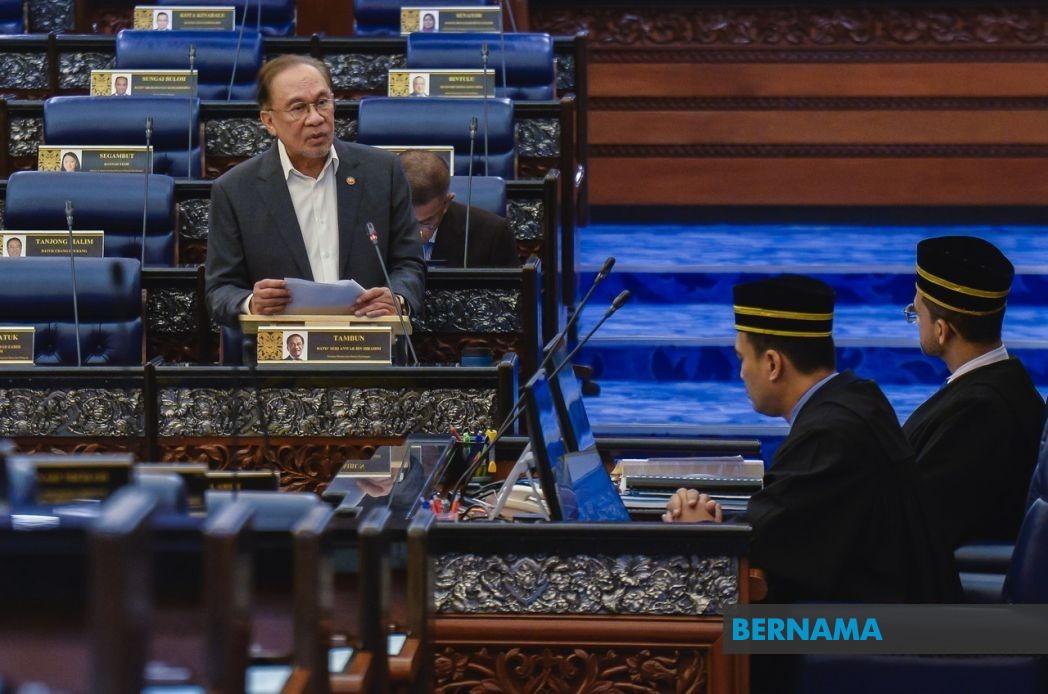
Prime Minister Datuk Seri Anwar Ibrahim has pledged that the government will gather additional information and engage with major oil companies regarding claims that independent petrol station operators experienced significant financial losses when transitioning to the enhanced fuel subsidy mechanism earlier this year. Speaking during parliamentary Question Time, Anwar acknowledged the gravity of the matter while emphasizing the government's reliance on industry cooperation to implement its targeted RON95 petrol and diesel subsidy programme successfully.
The issue surfaced when Ipoh Timur MP Howard Lee Chuan How raised concerns that petrol station operators faced losses ranging from RM40,000 to RM50,000 during the subsidy transition period. These figures represent a substantial operational burden for independent retailers, many of whom operate on thin profit margins and lack the financial buffers of larger integrated fuel distributors. The timing of these losses, coinciding with structural reforms to Malaysia's long-standing fuel subsidy system, has raised questions about whether retailers received adequate support or compensation during the changeover period.
Anwar, who also holds the Finance Minister portfolio, delegated responsibility for conducting detailed investigations to Second Finance Minister Datuk Seri Amir Hamzah Azizan. This approach signals that the government treats the matter seriously enough to warrant ministerial-level attention, though it also suggests the full scope of the problem may not yet be comprehensively understood at the highest levels of government. The assignment to Amir Hamzah indicates that any solutions developed will be coordinated through the Finance Ministry, potentially linking to broader subsidy policy reviews.
The Prime Minister's statement recognized that oil companies and petrol station operators have generally cooperated with the government's subsidy transition efforts. Anwar emphasized that without this cooperation, the targeted subsidy programme would have faced implementation difficulties far more severe than those actually encountered. This diplomatic framing reflects the government's desire to maintain goodwill with the petroleum industry even while investigating losses that retailers attribute to the subsidy mechanism change.
Malaysia's transition to a targeted fuel subsidy system represents a significant departure from decades of blanket price controls that subsidized all fuel purchases regardless of consumer income level. The new framework, which aims to concentrate subsidies on lower-income households while allowing market forces to operate more freely for higher earners, created a period of operational turbulence for retailers accustomed to the previous system. During the implementation phase, retailers faced potential inventory complications, pricing adjustments, and administrative complexities that may have contributed to the reported losses.
The alleged losses reported by petrol station operators warrant serious examination because they touch on fundamental questions about how Malaysia distributes the costs of its subsidy reforms. If retailers bore disproportionate burdens during the transition, this raises equity concerns and may deter future cooperation when the government contemplates further subsidy adjustments. The RM40,000 to RM50,000 loss range, while seemingly modest compared to national budget figures, can represent a significant percentage of annual profitability for independent operators managing single or small clusters of service stations.
From a broader policy perspective, the government's willingness to revisit these losses demonstrates responsiveness to parliamentary concerns and acknowledgment that policy implementation often generates unintended consequences affecting specific economic actors. For Malaysian petrol station operators, many of whom are small business owners struggling with rising operational costs and competitive pressures from major integrated oil companies, any government discussion of compensation or support mechanisms could prove economically meaningful. The outcome of these discussions may establish precedent for how the government treats industry stakeholders affected by future structural economic reforms.
The involvement of oil companies in these discussions reflects their pivotal role as intermediaries between government policy and retail-level implementation. Multinational corporations like Petronas and international operators have greater absorptive capacity to weather transition costs than independent retailers, making them natural targets for cost-sharing arrangements should the government seek to compensate affected operators. However, negotiations with large oil companies require careful handling to avoid disrupting their operational relationships with the government or their investment calculations for Malaysian operations.
Anwar's commitment to work toward "a good solution" suggests openness to remedial measures, though the specific form remains undetermined. Potential approaches might include direct compensation payments, tax relief provisions, extended grace periods for subsidy-related adjustments, or targeted support programmes for petrol station operators. The government's approach will likely balance fiscal constraints against fairness considerations and the need to maintain stakeholder confidence in future policy transitions affecting the fuel and energy sector.
For Southeast Asian observers and analysts monitoring Malaysia's economic governance, this parliamentary exchange illustrates how democratic institutions enable affected groups to raise concerns about policy implementation challenges. The regional significance extends beyond Malaysia because other Southeast Asian nations grappling with fuel subsidy reforms face similar pressures to protect vulnerable retailers while achieving broader economic objectives. How Malaysia resolves these tensions may influence policy design in neighbouring countries considering comparable subsidy restructuring initiatives.

