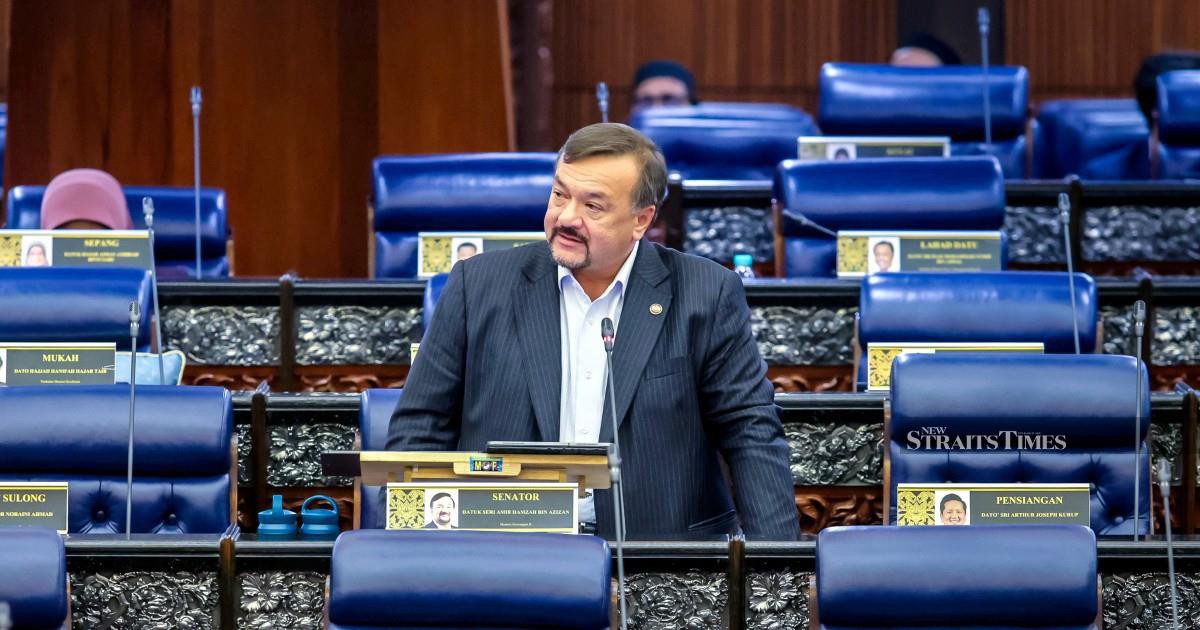
Malaysia's government has drawn a firm line on accountability in the expanding probe into Tabung Haji, signalling that no one connected to the Islamic pilgrimage savings institution will escape consequences should investigations uncover wrongdoing. The statement underscores mounting pressure on authorities to demonstrate commitment to transparency and proper governance at an organisation that holds billions of ringgit in depositors' funds and commands deep cultural significance for Muslim Malaysians seeking to undertake the annual Hajj pilgrimage.
The pledge comes as investigators continue examining the management practices and investment decisions that have shaped Tabung Haji's financial trajectory over recent years. The institution, formally established as a savings vehicle to help Malaysian Muslims accumulate funds for the religious obligation of pilgrimage, has faced mounting scrutiny regarding how leadership deployed shareholder capital and managed risk across its portfolio. The scope of the inquiry extends to decisions made across multiple years, potentially implicating various officials, board members, and advisory bodies who held influence during critical periods.
Tabung Haji's significance extends well beyond its role as a savings platform. As Malaysia's primary mechanism for facilitating pilgrimage access among ordinary Muslims who might otherwise struggle to accumulate sufficient capital, the institution carries both financial and spiritual weight within Malaysian society. The organisation manages one of the country's largest pools of collective savings from the Muslim majority population, making governance failures particularly consequential for millions of depositors. Any mismanagement or improper investment decisions threaten not only financial returns but also public trust in a culturally essential institution.
The government's explicit rejection of protective measures reflects broader regional and international pressures for enhanced corporate governance standards. Malaysia, like other Southeast Asian economies, faces ongoing scrutiny from developed markets regarding regulatory enforcement and institutional integrity. International investors and rating agencies closely monitor how authorities handle high-profile investigations into major domestic institutions, viewing such cases as barometers of the country's commitment to rule of law and accountability. The handling of the Tabung Haji matter therefore carries implications beyond the institution itself for Malaysia's broader credibility in capital markets.
Investigations into Tabung Haji's operations have concentrated on how the organisation allocated resources across its investment portfolio, the processes governing major financial decisions, and whether adequate oversight mechanisms functioned during periods of significant capital deployment. The inquiry process itself represents a necessary step toward restoring depositor confidence and rebuilding institutional credibility, should the investigations reveal systematic shortcomings in governance. Public acknowledgement that accountability will be pursued impartially helps establish that future management will operate under genuine constraints rather than expectations of political protection.
The political dimension of such investigations warrants careful consideration. Tabung Haji's leadership has traditionally occupied prestigious positions within Malaysian society, and some individuals currently under scrutiny may possess significant political connections. The government's explicit stance that no exemptions will be granted therefore represents a notable commitment, one that will face practical tests should findings implicate figures with influence in political circles. Sustaining this position throughout the investigation and any subsequent legal proceedings will demonstrate whether the pledge constitutes genuine policy or rhetorical positioning.
For Malaysian Muslims entrusting personal savings to Tabung Haji, governance failures carry direct personal consequences. Depositors expecting their accumulated funds to grow steadily toward pilgrimage objectives face potential disappointment if investment decisions generated poor returns or, more seriously, resulted in capital loss. The institutional failures investigated could include inadequate risk management, inappropriate investments, or decisions that prioritised institutional interests over depositor welfare. The investigation's conclusions will likely shape how Tabung Haji conducts future operations and whether it requires structural reforms.
The investigation's trajectory will likely extend beyond financial analysis to examine decision-making processes, documentation, and communications among key institutional figures. Malaysian regulatory authorities and law enforcement agencies possess broad investigative powers, and their willingness to pursue leads thoroughly will determine whether investigations substantiate allegations or conclude that practices, while questionable, remained technically compliant with relevant regulations. The distinction matters considerably, as it determines whether recommendations focus on enforcement actions or regulatory improvements.
Regionally, the Tabung Haji case exemplifies governance challenges facing major institutions across Southeast Asia. Many regional countries operate large-scale savings vehicles, development funds, or state-linked enterprises that concentrate capital and influence without consistently maintaining governance standards comparable to private-sector financial institutions. Malaysia's handling of its investigation sends signals to other markets regarding expectations for institutional accountability. Conversely, the investigation's conclusions may inform how other nations approach governance of analogous institutions managing public or community assets.
Moving forward, the government faces the substantive task of ensuring investigations reach conclusions grounded in evidence and legal standards rather than political convenience. The credibility of any findings, and public acceptance of investigative results, depends upon perceptions that the process operates fairly and independently. Establishing independent oversight mechanisms or external expert involvement could strengthen public confidence that investigations follow evidence-based methodology rather than predetermined conclusions. The stated commitment to accountability rings hollow unless accompanied by transparent processes that demonstrate genuine independence from political interference.
Restoring confidence in Tabung Haji ultimately requires both investigation of past conduct and institutional reform ensuring improved governance standards going forward. Depositors need assurance that leadership transition and governance changes will prevent recurrence of practices that prompted investigations. Regulatory enhancements, strengthened audit requirements, and clearer investment guidelines could each contribute to this objective. The government's stated position against protecting wrongdoers represents a necessary starting point, but sustained confidence depends upon translating commitment into concrete institutional improvements.

