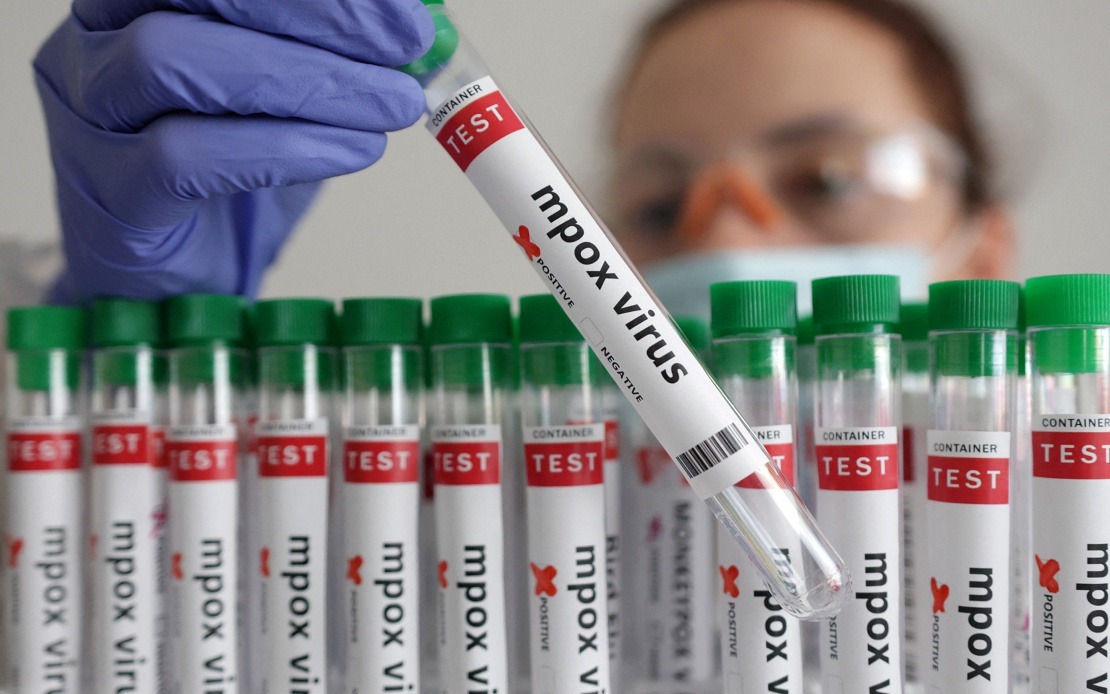
Guinea-Bissau has joined the growing list of nations grappling with mpox, confirming its inaugural case on Saturday night through Public Health Minister Quinhin Nantote. The diagnosis marks a significant development in West Africa's public health landscape, particularly as the region continues monitoring disease transmission patterns across porous borders and densely populated areas. The patient is a 27-year-old woman who initially sought medical attention on June 24, presenting with symptoms suggestive of the viral infection.
The diagnostic pathway undertaken by Guinea-Bissau's health system demonstrates the collaborative nature of modern disease detection in the region. Medical personnel collected samples from the patient's characteristic skin lesions and processed them through the country's National Institute of Public Health laboratory. When initial testing indicated the presence of mpox virus, health authorities pursued international confirmation by forwarding specimens to the Institut Pasteur in Dakar, Senegal—a recognised regional reference centre. The dual-confirmation approach, while extending the timeline for definitive diagnosis, ensures accuracy and provides epidemiological credibility essential for public trust during health emergencies.
The government's response has been swift and comprehensive, with Minister Nantote immediately convening a press conference to brief the public on the situation. This transparent communication approach contrasts sharply with delayed announcements in some African nations and reflects Guinea-Bissau's commitment to international health protocols. National response mechanisms aligned with the International Health Regulations and World Health Organisation guidelines have been formally activated, signalling to both domestic and international stakeholders that the situation is being managed within established frameworks.
Contact tracing and epidemiological investigation represent critical next steps in containing potential spread. Health authorities have initiated systematic identification and monitoring of individuals who encountered the confirmed patient, recognising that early isolation of contacts can significantly reduce transmission chains. For a country with Guinea-Bissau's healthcare infrastructure challenges and limited resources, this detective work demands sustained coordination between central health authorities and peripheral health facilities, many of which operate with constrained staffing and diagnostic capacity.
Surveillance enhancement across the nation and particularly at border crossings underscores recognition that mpox respects no geographical boundaries. Guinea-Bissau shares land borders with Senegal and Guinea, both countries with varying disease prevalence situations. The positioning of enhanced monitoring at entry points aims to detect potential importation of cases while simultaneously flagging any undetected local transmission that might have occurred before the first confirmed case. This defensive posture reflects lessons learned from previous outbreaks in the region, where cross-border movement facilitated rapid geographic spread.
Public health messaging has emphasised individual preventive action as foundational to outbreak control. The minister's call for frequent handwashing and avoidance of close contact with symptomatic individuals represents standard infection prevention guidance adapted for a population context where health literacy varies considerably across urban and rural areas. Given Guinea-Bissau's mixed urban-rural demographic profile, health authorities face the distinct challenge of ensuring such messages reach populations with varying access to media and healthcare information.
Mpox transmission dynamics differ meaningfully from other viral diseases circulating in West Africa, a distinction that requires targeted communication. The disease primarily spreads through direct contact with body fluids, respiratory droplets, and contaminated materials—mechanisms that differ substantially from airborne pathogens. The appearance of characteristic skin lesions provides a visible diagnostic clue that, once recognised, can prompt earlier healthcare-seeking behaviour. This contrasts with pathogens presenting with non-specific symptoms like fever alone, where diagnosis delays remain common.
The clinical presentation Guinea-Bissau's health workers should now anticipate includes fever, muscle aches, the distinctive skin rashes and lesions, and swollen lymph nodes. Recognition of this symptom constellation proves particularly important for healthcare providers at peripheral health facilities who may have limited diagnostic capacity. Training and circulation of clinical case definitions become essential components of any outbreak response, ensuring that suspected cases reach appropriate diagnostic facilities rather than remaining undetected in community settings.
The broader regional implications warrant consideration for Southeast Asian observers monitoring global health security trends. Guinea-Bissau's case reinforces that mpox has established itself as an ongoing public health concern across multiple African nations, contradicting early assumptions that the virus might remain confined to specific geographical areas. While Southeast Asia has thus far reported limited mpox activity compared to Europe or North America, the West African situation demonstrates the virus's capacity to spread rapidly once it gains epidemiological foothold in a new region. For Malaysian health authorities and regional partners, maintaining vigilance through strengthened border health screening and laboratory diagnostic capacity remains prudent, particularly given Malaysia's position as a regional transportation hub.
Guinea-Bissau's activation of formal response mechanisms, while necessary, also illuminates the resource constraints many African nations face when confronting emerging health threats. The reliance on external reference laboratories like Institut Pasteur for confirmatory testing reflects both the reality of limited diagnostic infrastructure in smaller West African nations and the established regional cooperation networks that make such arrangements possible. Sustained international support for capacity building—whether in laboratory diagnostics, disease surveillance systems, or healthcare worker training—remains essential if African nations are to achieve genuine self-sufficiency in detecting and responding to emerging pathogens.
The coming weeks will prove critical as epidemiological investigations proceed and contact monitoring progresses. Guinea-Bissau's response trajectory will likely influence neighbouring countries' preparedness measures and may prompt increased surveillance in Senegal and Guinea should additional cases emerge. The coordination between Guinea-Bissau's health authorities, regional disease surveillance networks, and international health organisations will determine whether this remains an isolated case or represents the beginning of sustained circulation requiring extended public health intervention and resource commitment.

