An accelerating outbreak of H5N1 highly pathogenic avian influenza across South Australia is triggering fresh alarm among wildlife conservation experts, who warn that the endangered Australian sea lion population faces imminent danger as the virus spreads through coastal bird populations. The discovery of the strain in a seagull on the state's south-eastern coastline marks a concerning escalation in a crisis that has gained momentum over recent weeks, with health authorities now tracking 40 suspected or confirmed cases across the region.
The epidemiological picture in South Australia has deteriorated markedly in a matter of days. As of late July, authorities had confirmed 19 cases of the highly pathogenic H5N1 strain and identified an additional 21 suspected cases requiring further laboratory analysis. The pace of detection has proven alarming, with 33 of the 40 cases emerging since Monday alone. This clustering of detections suggests the virus may be spreading more rapidly through bird populations than initial estimates suggested, or alternatively that surveillance efforts have intensified to catch newly infected animals before the outbreak becomes more widespread.
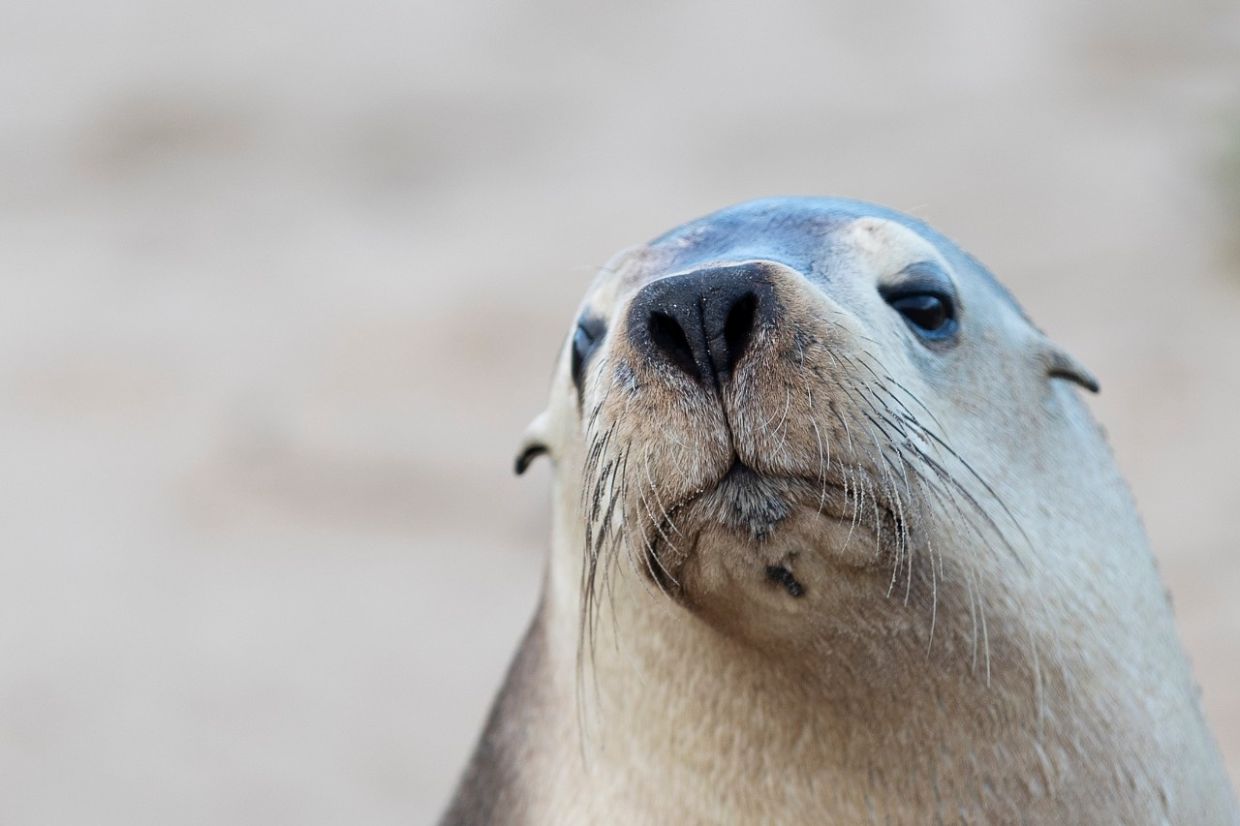
The geographic distribution of detected cases adds another layer of concern for conservation officials. Four cases have been identified on Kangaroo Island, situated off South Australia's southern coastline, with one confirmed detection occurring specifically at Seal Bay. This location is not incidental to the broader public health response; Seal Bay represents one of the world's most critical breeding grounds for the Australian sea lion, a species classified as endangered under international conservation standards. The bay harbours approximately five per cent of the global population of this marine mammal, making it both ecologically significant and extraordinarily vulnerable to any pathogen capable of causing mass mortality.
The precedent from South American outbreaks provides sobering evidence for why experts are sounding the alarm with such urgency. Wayne Boardman, a wildlife veterinarian at the University of Adelaide, emphasises that historical records demonstrate sea lions and fur seals possess particular susceptibility to the H5N1 strain. During an outbreak that ravaged South American colonies in 2022, an estimated 30,000 sea lions succumbed to the virus within a six-month period. The mortality toll has continued climbing in more recent years, with approximately 13,359 southern elephant seal pups dying from the strain between August 2025 and January 2026 on Heard Island in the Southern Ocean. These figures underscore the catastrophic potential when H5N1 jumps from avian to pinniped populations in coastal ecosystems.
Boardman's assessment to the Australian Broadcasting Corporation on Friday outlined the likely transmission pathway with clinical directness: once H5N1 becomes established in coastal bird populations proximate to seal colonies, transfer to marine mammals becomes virtually inevitable rather than merely probable. The virus appears capable of spreading through contaminated water, infected prey species, or direct contact between birds and seals during feeding or roosting activities. Given Seal Bay's characteristics as a breeding colony where seals congregate in high density and interact with diverse seabird species, the conditions for rapid viral transmission are potentially optimal.
The South Australian government has already begun implementing precautionary measures to minimise human-animal contact that could facilitate viral spread. Beach tours at Seal Bay, which ordinarily provide tourists and researchers with access to the breeding colony, have been temporarily suspended effective immediately. This intervention aims to reduce disturbance to sea lion populations and eliminate potential vectors for viral transmission associated with human activity. While the measure protects the seals from human-introduced risk, it cannot insulate the colony from infection transmitted through natural ecological pathways involving bird populations and the broader marine environment.
At the national level, the H5N1 outbreak extends beyond South Australia, though that state bears the heaviest burden by far. As of Friday, Australia's remaining states and territories had collectively confirmed 14 cases of the highly pathogenic strain. The virus was first detected on mainland Australia in June, suggesting it has circulated for several weeks prior to widespread detection. This temporal gap between initial introduction and discovery raises questions about how many undetected cases may exist in remote coastal areas or among wild bird populations that receive limited surveillance attention.
Federal responses to the outbreak have focused on reassurance regarding agricultural systems and human health risks. Minister for Agriculture, Fisheries and Forestry Julie Collins stated Friday that the outbreak has demonstrated no capacity to penetrate commercial poultry operations or agricultural facilities, suggesting the virus remains confined to wild bird populations. She further noted that the threat to human populations remains categorised as low, consistent with global epidemiological data showing H5N1 transmission from birds to humans occurs rarely despite widespread avian infection. However, this assessment of low human risk provides little comfort to conservation authorities confronting potential catastrophe for a species already numbered among Australia's most vulnerable marine mammals.
The convergence of an expanding H5N1 outbreak with one of the world's most critical sea lion breeding populations represents a genuine conservation emergency requiring coordinated environmental management. The lessons from South America demonstrate that once the virus establishes in pinniped colonies, mortality rates can devastate populations within months. For the Australian sea lion, already stressed by historical overhunting, fishery interactions, and climate-driven changes to marine food webs, an H5N1 epizootic could prove demographically catastrophic. Wildlife authorities now face the grim prospect of monitoring a vulnerable species population for signs of viral infection while possessing limited tools to prevent transmission once the pathogen reaches Seal Bay's waters.

