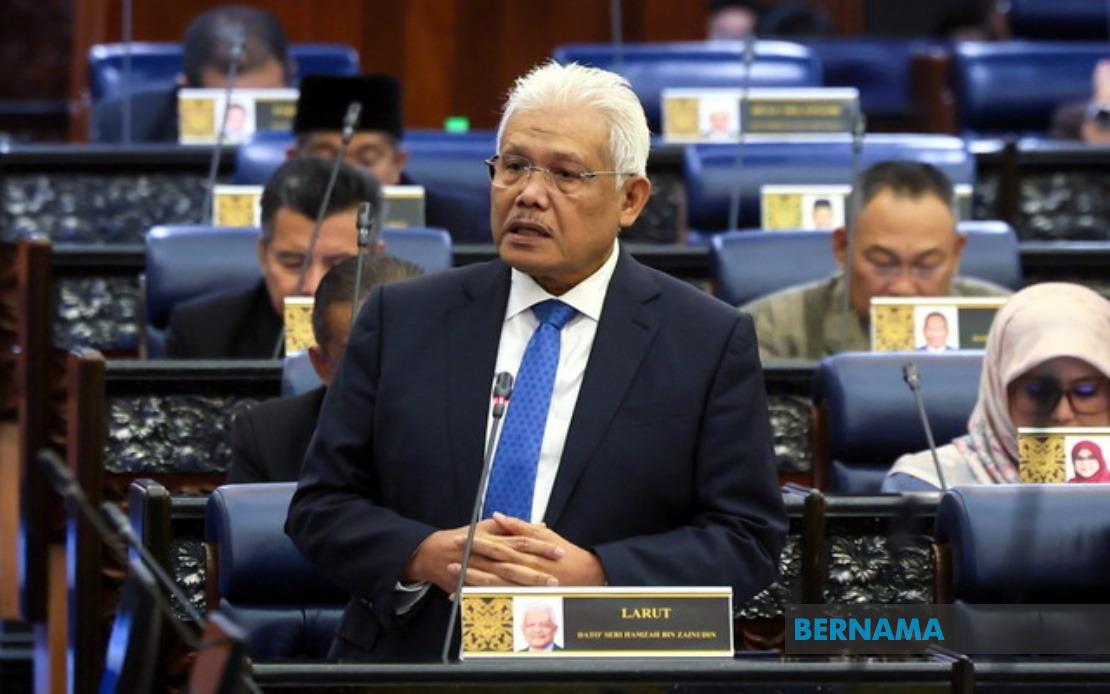
The parliamentary machinery of Malaysia took on a new configuration on June 18 when Larut MP Datuk Seri Hamzah Zainudin resumed his responsibilities as Opposition Leader, according to an official confirmation delivered by Dewan Rakyat Speaker Tan Sri Johari Abdul on June 22. The announcement, made during the chamber's oral question time, marked the conclusion of a transitional period in parliamentary opposition leadership that had lasted just over three weeks.
The trajectory of the Opposition Leader position over the preceding weeks reflected the fluid political landscape currently characterizing parliamentary proceedings. Hamzah originally held the post until May 20, 2026, when circumstances necessitated a leadership transition. The timing and nature of this initial shift indicated evolving political calculations within the opposition ranks, though the specific catalysts for the change were not elaborated in the Speaker's statement. Such transitions in parliamentary opposition roles typically signal shifts in coalition dynamics or internal reorganization among the non-government benches.
Kemaman MP Datuk Seri Dr Ahmad Samsuri Mokhtar stepped into the Opposition Leader role during the interim period, serving from May 21 through June 10. This assignment represented a temporary stewardship of the opposition's parliamentary coordination responsibilities, which encompass scheduling questions, coordinating legislative strategy, and serving as the primary opposition voice during parliamentary sessions. The Speaker specifically commended Ahmad Samsuri for his stewardship during this brief tenure, acknowledging the demands of the position and the contribution made during the transition.
The formal restoration of Hamzah to the Opposition Leader position carries implications for how the opposition will calibrate its parliamentary engagement in coming weeks and months. The Opposition Leader role serves as a crucial institutional position within Westminster-style parliaments, providing organizational structure to the non-government benches and facilitating their scrutiny of executive actions. Hamzah's return suggests the opposition has concluded whatever internal consultations or adjustments prompted the initial transition, and the bloc is now positioned to pursue its parliamentary agenda under his leadership going forward.
Speaker Johari invoked Standing Order 4A(3) of the Dewan Rakyat Standing Orders when making his announcement, emphasizing that the confirmation operated within established parliamentary procedures governing opposition representation. This procedural anchoring underscored that while the transition might have reflected political developments outside the chamber, the formal machinery of parliamentary administration had processed and certified the changes according to constitutional protocol. The reliance on standing orders reinforced the institutional regularity of the adjustment, even as it reflected underlying political shifts.
Parallel to the opposition leadership confirmation, the Speaker announced significant vacancies within the parliamentary membership itself. Pandan MP Datuk Seri Rafizi Ramli and Setiawangsa MP Nik Nazmi Nik Ahmad both submitted letters on May 18 formally relinquishing their parliamentary memberships, creating two simultaneous by-election scenarios. The departure of these two MPs represented a notable redistribution of parliamentary seats, particularly given their prominence within their respective political organizations. Rafizi and Nik Nazmi had both served as influential voices within government and opposition configurations, making their simultaneous departure noteworthy in parliamentary chronicles.
The Speaker subsequently notified the Election Commission of these vacancies in accordance with constitutional requirements outlined in Article 54(1) of the Federal Constitution. This notification initiates the formal machinery for conducting by-elections in both constituencies, a process that typically requires several months from commencement to completion. The simultaneous nature of the dual vacancies means that Malaysian voters in Pandan and Setiawangsa will face electoral contests within a similar timeframe, potentially clustering political activity and engagement within these constituencies during the coming period.
For Malaysian readers and regional observers, these parliamentary developments underscore the ongoing political fluidity characterizing the current Dewan Rakyat composition. The transitions in opposition leadership, while managed through established procedures, reflect the dynamic coalition-building that continues to define parliamentary operations in the post-2022 political environment. The appointment of interim leadership and subsequent restoration of original arrangements suggests ongoing negotiations and adjustments as different political factions calibrate their positions and strategies within the parliament.
The by-elections resulting from the Pandan and Setiawangsa vacancies will provide important barometers of voter sentiment and constituency dynamics. These contests will occur within the context of wider political developments and policy implementation by the government, offering opportunities for opposition forces to test messaging and organizational strength on the ground. For the constituencies involved, the by-election period will see intensive political engagement as parties seek to retain or capture these parliamentary seats in what remains a competitive electoral environment.
The Speaker's formal confirmation of parliamentary positions and vacancies highlights the continuing importance of institutional procedures and constitutional protocols in managing Malaysia's Westminster inheritance. Even as political circumstances shift and alignments adjust, the apparatus of parliament continues to function according to established rules and processes. This regularity of institutional operation provides a framework within which political competition and parliamentary activity proceed, grounding the essentially contested nature of electoral and legislative politics within constitutional constraints and procedural expectations that remain relatively stable across changing political circumstances.