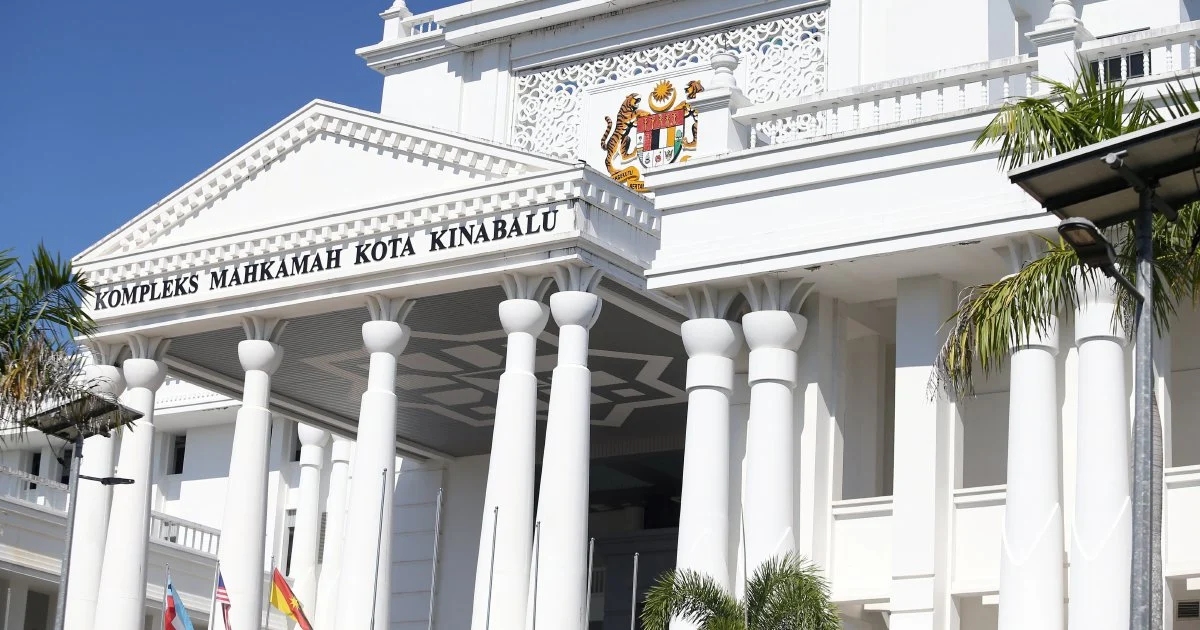
A handwriting analyst presented testimony before the Coroner's Court in Kota Kinabalu, maintaining her professional assessment that certain passages within the journals of the late Zara Qairina Mahathir could not have been authored by the socialite herself. The expert's unwavering stance on this forensic analysis raises significant questions about the authenticity and provenance of documents that may be central to ongoing inquiries into circumstances surrounding Zara's death.
The findings carry considerable weight in legal proceedings, as handwriting analysis remains a recognised forensic discipline capable of identifying whether text was produced by a specific individual. When an expert chooses to reaffirm conclusions under oath in a coroner's proceeding, it signals confidence in the methodology and interpretation of the physical evidence examined. The implications extend beyond mere documentary questions, potentially touching on matters of tampering, forgery, or unauthorised additions to personal records.
Zara Qairina Mahathir, the daughter of former Prime Minister Mahathir bin Mohamad, became a figure of public interest following her death, which occurred under circumstances that warranted formal coroner's investigation. Her journals, as intimate personal documents, would ordinarily be expected to contain exclusively her own handwriting. The suggestion that other hands contributed to these records introduces a layer of complexity to understanding what these documents actually reveal about her life, state of mind, or final period.
The coroner's court process in Malaysia serves as a critical mechanism for investigating sudden, violent, or unnatural deaths, establishing facts about how they occurred. When expert testimony is introduced in such proceedings, it becomes part of the formal record and can substantially influence the coroner's findings. Handwriting evidence, properly analysed and presented, provides objective data that complements witness statements and other investigative materials.
The decision to call a handwriting expert suggests that questions about document authenticity were deemed important enough to merit professional scrutiny. This reflects broader investigative diligence, ensuring that all material potentially relevant to understanding the circumstances remains subject to critical examination rather than being accepted at face value. For Malaysian legal proceedings, this demonstrates the courts' commitment to rigorous fact-finding.
Such testimony resonates beyond the immediate case. Questions about document integrity have long featured in high-profile Malaysian investigations and civil matters. The public's confidence in legal processes often hinges on whether evidence is handled with appropriate care and whether expert analysis is given proper weight. The handwriting expert's reaffirmation underscores that forensic professionals remain willing to stand behind their conclusions when subjected to courtroom scrutiny.
The specific nature of which journal entries were questioned—whether they related to particular dates, emotional content, or references—remains part of the coroner's investigative scope. Understanding whether certain passages were contemporaneous records by Zara herself or later additions by others could materially affect interpretation of events leading up to her death. This distinction between original and subsequently added material can sometimes prove crucial in coroners' determinations.
For readers following this case, the implications extend to understanding how Malaysian authorities handle evidence in sensitive investigations involving prominent families. The coroner's court process, while sometimes operating with less public visibility than criminal trials, nonetheless applies rigorous standards to evidence and expert testimony. The handwriting expert's presence and testimony reflect these institutional safeguards.
The case also illustrates the ongoing relevance of traditional forensic techniques in an era of digital documentation. While much contemporary communication occurs through electronic means, personal journals remain handwritten by many individuals, making handwriting analysis still a viable investigative tool. The expert's findings demonstrate that such analysis can yield meaningful results when properly conducted by qualified professionals.
As the coroner's inquiry continues, the question of journal authenticity may illuminate broader questions about the circumstances the court is investigating. Whether other entries were similarly questioned, or whether certain passages held particular significance, would inform the coroner's ultimate determination. The expert testimony provides a foundation for understanding which portions of these documents can be relied upon as Zara's own voice versus material of potentially unknown origin.
The proceedings in Kota Kinabalu will ultimately contribute to the official record regarding Zara's death. The handwriting expert's steadfast adherence to her findings, when presented with the opportunity to reconsider or modify her conclusions, suggests substantial confidence in her analysis. Such professional integrity, demonstrated in court settings, helps maintain public confidence in the forensic disciplines that support Malaysia's legal system.
As the coroner weighs all evidence presented, the handwriting analysis stands as one component of a broader investigative picture. The expert's reaffirmation serves notice that document authenticity cannot be overlooked in cases where personal records might yield insight into significant life events. Whether this evidence ultimately proves determinative in the coroner's findings remains to be seen, but its inclusion in the proceeding demonstrates appropriate diligence in establishing facts.