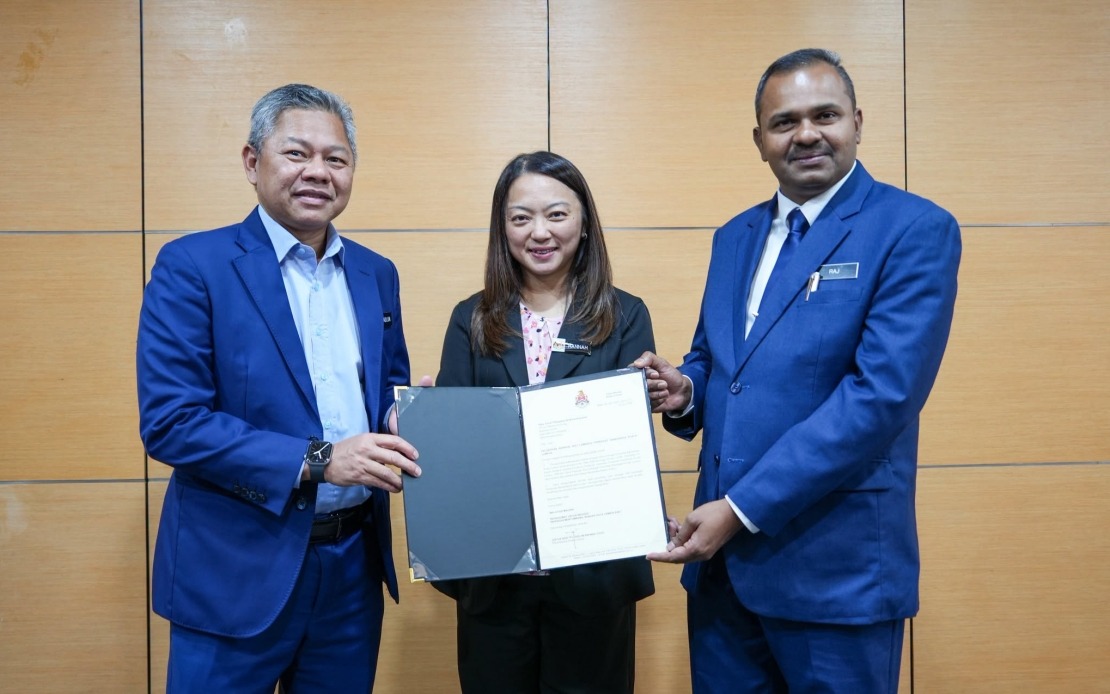
Federal Territories Minister Hannah Yeoh has thrown her support behind S. Thiyagaraj following his recent appointment to the Kuala Lumpur City Advisory Board, underscoring the growing importance of civilian oversight in urban governance. The appointment marks a transition for Thiyagaraj, who spent nearly two decades serving within Malaysia's corrections system before entering the realm of municipal administration. Kuala Lumpur Mayor Datuk Seri Fadlun Mak Ujud formally presented the appointment letter to Thiyagaraj at a ceremony witnessed by Hannah, signalling official endorsement for the new advisory board member.
In her statement, Hannah outlined her expectations for Thiyagaraj's tenure, emphasising that the role demands nothing less than complete dedication to the city's residents. She stressed the importance of executing the position with integrity, professionalism, and steadfast commitment to public service. These remarks reflect a broader push by the Federal Territories Ministry to ensure that advisory positions attract individuals capable of bringing fresh perspectives and proven work ethic to municipal decision-making processes.
The Minister articulated confidence in Thiyagaraj's capacity to fulfil his responsibilities effectively, particularly in offering substantive counsel and recommendations to the Mayor on matters touching on Kuala Lumpur's administration and urban development. This confidence appears rooted in Thiyagaraj's extensive background within institutional settings, where discipline, procedure, and systematic thinking are paramount. His transition from the correctional system to city advisory work represents an interesting cross-pollination of administrative experience within the public sector.
Hannah elaborated on the pivotal function served by the Kuala Lumpur City Advisory Board within the city's governance framework. Beyond offering occasional input, the board operates as a critical mechanism through which the Mayor receives specialist viewpoints and strategic guidance on complex urban policy questions. The board's contributions extend across the full spectrum of municipal concerns, from infrastructure planning to community welfare initiatives. In Hannah's assessment, this advisory structure strengthens the responsiveness of city management to the genuine concerns and aspirations of Kuala Lumpur's diverse population.
According to the Minister, each member of this advisory board shoulders substantial accountability for elevating the standard of city governance across multiple dimensions. Efficiency remains a pressing concern for a metropolis as complex and rapidly evolving as Kuala Lumpur, requiring streamlined decision-making processes and effective resource allocation. Transparency in municipal operations has become increasingly critical as residents demand greater visibility into how decisions affecting their daily lives are made. Equally important is the city administration's capacity to demonstrate genuine responsiveness to public needs, moving swiftly to address concerns raised by communities across Kuala Lumpur's diverse neighbourhoods and constituencies.
Thiyagaraj's professional track record provides insight into the calibre of individual Hannah considered suitable for this role. His career spanning from 2005 to 2023 within the Prisons Department demonstrates a sustained commitment to public service over nearly two decades. Most notably, he ascended to the rank of Assistant Superintendent of Prisons, holding responsibility for the Technical Intelligence and Investigation Unit. This position required sophisticated analytical capabilities, understanding of complex operational systems, and the ability to manage sensitive intelligence matters within a hierarchical institutional environment.
The appointment of individuals with corrections background to city advisory roles reflects a deliberate strategy to diversify the expertise available to municipal leaders. While traditional urban planning, architecture, and public administration backgrounds remain valuable, individuals from security and institutional management backgrounds bring distinctive problem-solving methodologies and operational perspectives. Thiyagaraj's experience managing technical investigations and intelligence matters within the prison system may prove particularly relevant to addressing emerging challenges in urban safety, infrastructure integrity, and systematic administration.
Kuala Lumpur's advisory board structure represents an important mechanism through which the city attempts to bridge the gap between professional municipal administration and broader community perspectives. As Malaysia's capital and largest city, Kuala Lumpur faces mounting pressures from rapid urbanisation, dense population concentrations, and the competing demands of residential, commercial, and institutional development. Advisory bodies comprising individuals from varied professional backgrounds can help ensure that municipal decision-making incorporates practical insights that might otherwise remain invisible to full-time city administrators.
Hannah's public recognition of Thiyagaraj's appointment carries symbolic significance beyond the immediate matter of welcoming a new board member. Federal Territories Minister endorsement of advisory appointments signals to both the public and the administration that such positions merit serious attention and high-calibre candidates. This approach contrasts with governance structures where advisory roles become mere formalities filled by political connections or patronage. By celebrating Thiyagaraj's appointment on the basis of his demonstrated competence and professional achievement, Hannah reinforces the notion that merit and dedication remain central to Malaysia's public service advancement.
Looking forward, observers will likely monitor how Thiyagaraj's contributions influence Kuala Lumpur's policy discussions and municipal initiatives. His prison service background suggests familiarity with managing large institutional populations, maintaining security protocols, and implementing systematic procedures across complex organisations. These capabilities could translate into valuable input on urban security matters, public order maintenance, and the coordination of multi-departmental initiatives within city administration. The success of his tenure may also influence future appointments to the advisory board, potentially establishing precedent for recruiting individuals from less conventional professional backgrounds.

