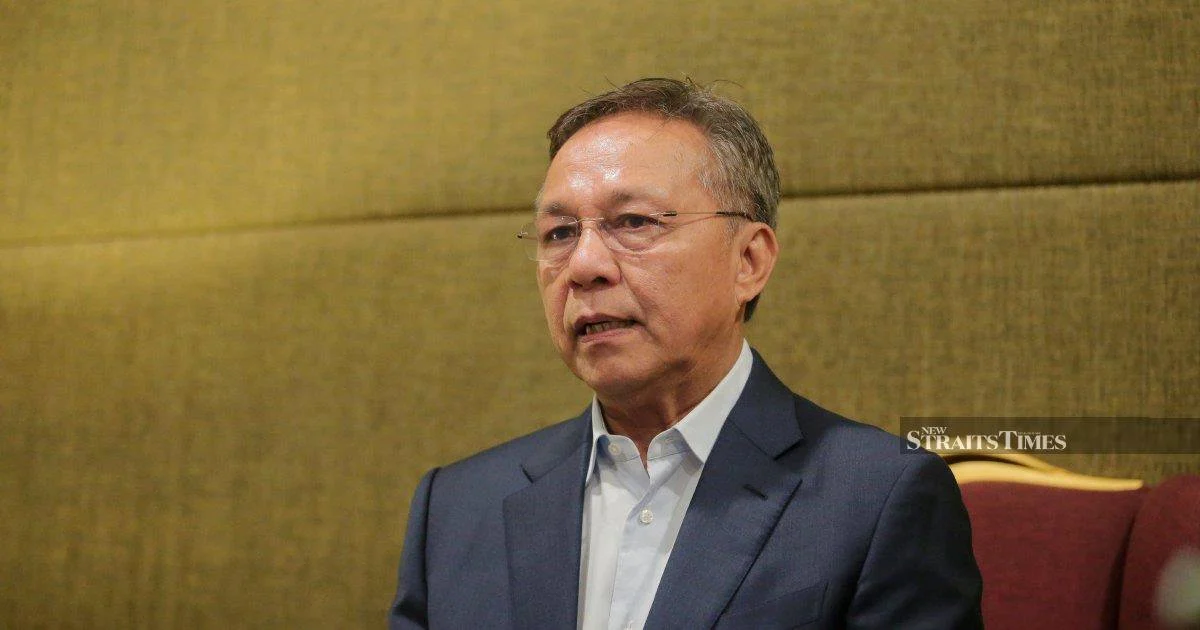
Datuk Seri Hasni Mohammad, who previously served as Johor's menteri besar, has been removed from the Barisan Nasional's roster of candidates for the upcoming state polls in Johor, marking a significant departure for one of the state's most recognisable political figures. The exclusion has triggered widespread conjecture within political circles that the seasoned administrator may be repositioning himself to pursue a parliamentary seat in the anticipated general election.
The decision to drop Hasni from the state-level nominations represents a notable shift in Johor's political landscape, where the former chief minister had maintained considerable influence and grassroots support. Observers suggest that such a move at the state assembly level often precedes a recalibration of political careers, with figures at his level exploring opportunities at the federal stage rather than competing in state contests. This pattern has become increasingly common among senior politicians seeking to maintain or elevate their political standing.
Hashni's tenure as menteri besar had positioned him as a significant player in Johor politics, and his exclusion from the state candidate list warrants examination of the internal dynamics within Barisan Nasional's coalition in the state. The nomination process for both state and federal elections typically involves complex negotiations among the coalition's various component parties, and decisions affecting prominent figures often reflect broader strategic calculations about resource allocation and electoral viability.
The timing of Hasni's removal from the state slate carries particular significance for Johor's political narrative. State elections and general elections operate under different electoral dynamics, and senior politicians sometimes make calculated decisions to focus their energies where they perceive greater opportunity or where their experience might prove more valuable. A federal parliamentary seat could offer Hasni a platform commensurate with his seniority and past administrative accomplishments.
For Malaysian readers and the broader Southeast Asian context, this development illustrates how senior politicians navigate changing political circumstances and electoral cycles. Johor, as Malaysia's largest state by population and economic significance, serves as a bellwether for national political trends. The movements of figures like Hasni provide insights into how established leaders adapt when faced with exclusion from traditional power bases.
The speculation surrounding Hasni's potential parliamentary ambitions will likely intensify as the next general election draws closer. His experience as a former menteri besar would theoretically position him well for a federal seat, particularly if Barisan Nasional seeks to field experienced administrators in constituencies where competence and track record carry significant electoral weight. Parliamentary representation offers senior politicians like Hasni the opportunity to operate at a level where policy influence extends across state boundaries.
Within Johor's Barisan Nasional structure, the removal of Hasni from the state roster may also signal adjustments in party dynamics or coalition arrangements. The coalition encompasses multiple parties—UMNO, MCA, and MIC at the federal level, with additional components at the state level—and nomination processes frequently reflect internal negotiations and power-sharing agreements. Hasni's exclusion could indicate evolving priorities or leadership preferences within these party structures.
The broader implications extend to how political parties manage the careers of senior figures whose prominence might complicate state-level elections but whose experience remains valuable at the national stage. By concentrating resources and candidates at the state level on those perceived as having stronger ground-level appeal, while deploying heavyweights at the federal level, coalition partners often attempt to optimise their electoral prospects across both tiers of government.
For Johor's constituencies that might host Hasni in a parliamentary contest, his administrative background and previous prominence would constitute significant political capital. Voters often weigh prior governmental experience heavily, particularly in constituencies seeking proven administrators rather than newcomers. A former menteri besar entering a federal race carries inherent credibility that could prove decisive in closely contested seats.
The political fraternity in Johor will now closely monitor whether Hasni formally announces parliamentary ambitions or seeks alternative routes to remain politically active. His decision will partly depend on the coalition's strategic calculations and whether a suitable federal seat emerges that aligns with his political standing and geographic base. The coming months will likely see clarification of his political intentions as general election timing becomes more defined.
This episode underscores the fluidity of Malaysian politics, where established figures regularly reassess their positioning and pursue alternative paths when traditional avenues shift. Hasni's trajectory from state leadership to potential federal politics reflects a career pattern observed among many senior administrators who leverage their experience across different levels of governance. Whether he ultimately contests a parliamentary seat will become clearer as the electoral calendar develops.