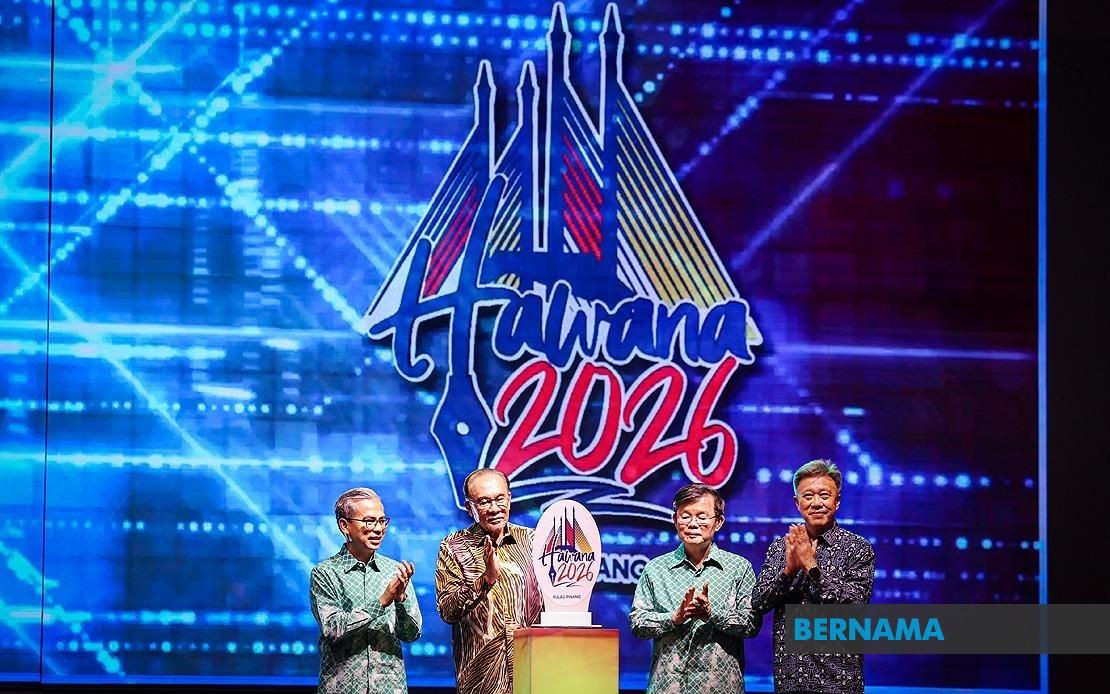
Malaysia's National Journalists' Day, known as HAWANA, concluded its 2026 edition in Penang on a triumphant note, bringing together nearly 1,000 media practitioners from across the country and neighbouring ASEAN states to reaffirm the importance of journalistic integrity in an increasingly complex information landscape. The three-day celebration, held at PICCA@Arena Butterworth Convention Centre, demonstrated Malaysia's commitment to elevating professional standards while fostering deeper media cooperation throughout the region, with participants from Indonesia, Cambodia and Timor-Leste joining their Malaysian counterparts to exchange ideas and strengthen ties.
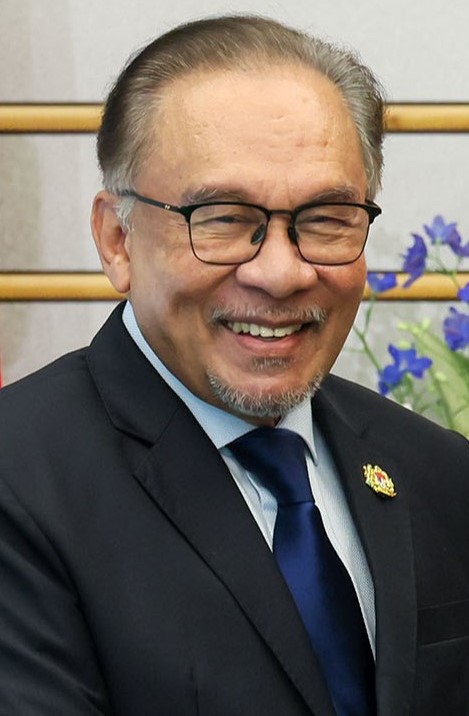
Prime Minister Datuk Seri Anwar Ibrahim's official inauguration of the event on Saturday underscored the government's appreciation for journalism's fundamental role in building an informed and responsible citizenry. Beyond ceremonial remarks, Anwar announced a RM1 million top-up to the Tabung Kasih@HAWANA welfare fund, signalling sustained commitment to supporting journalists facing financial hardship. The allocation reflects growing recognition that media practitioners, who often work in challenging conditions covering critical stories, deserve institutional safety nets comparable to those in other professions. The continuation of the Media Innovation Fund also addresses a pressing concern for Malaysian newsrooms struggling to navigate digital transformation amid declining advertising revenues and changing consumption patterns.
The welfare initiative has proven increasingly vital since its 2023 launch. To date, the fund has assisted 773 media professionals across the country with combined disbursements of RM2.26 million, providing crucial support during personal crises, health emergencies and career transitions. On this occasion, beneficiaries Noraini @ Talhah Mat Tahir of Media Prima, Guanalan Sengalaney of Makkal Osai and Ch'ng Lay Wah of Kwong Wah Yit Poh received contributions from the Prime Minister himself, personalising the support mechanism and acknowledging individual contributions to Malaysian journalism.
Communications Minister Datuk Fahmi Fadzil's announcement that Telekom Malaysia would contribute RM500,000 to the welfare fund expanded the partnership ecosystem crucial for sustaining long-term initiatives. Corporate engagement with journalistic welfare demonstrates how private sector involvement can buttress government efforts, creating a safety net woven from multiple stakeholders. This collaborative model offers lessons for other Southeast Asian nations grappling with similar challenges facing media practitioners.
The ceremonial presentation of awards recognised excellence while honouring those who shaped Malaysian broadcasting. Former broadcasting director-general Datuk Suhaimi Sulaiman received the main HAWANA Award for his decades of professional contribution, acknowledging individuals whose behind-the-scenes work often goes unnoticed by the public. However, the most poignant moment came when Prime Minister Anwar presented a posthumous Special HAWANA Award to Azlan Idris, late head of Bernama Radio who passed away in January at age 57. The presentation to his widow, Wan Syahrina Wan Abdul Rahman, visibly moved attendees and underscored journalism's human cost, reminding the industry of colleagues lost in pursuit of their calling.
Azlan's career trajectory exemplified the interconnected nature of Malaysian media, having served in senior roles across television networks including TV3, NTV7 and Channel 9 before establishing himself at Bernama Radio since 2007. His instrumental role in organising four editions of HAWANA demonstrated how individual journalists transcend their specific roles to strengthen the profession's institutional fabric. Such recognition ensures that contributions to the broader media ecosystem receive acknowledgment alongside newsroom achievements.
Regional media cooperation advanced tangibly through an exchange of memoranda between Bernama and Timor-Leste's national news agency TATOLI, formalised by Communications Minister Fahmi and witnessed by Prime Minister Anwar. This development holds significance for Southeast Asia's media landscape, as it establishes formal channels for news sharing, professional exchange and mutual support between national news agencies. For Malaysian journalists, such arrangements expand reporting networks and foster understanding of regional issues critical to ASEAN cohesion. The collaboration particularly benefits smaller nations like Timor-Leste, where resource constraints sometimes limit comprehensive news coverage.
Beyond formal proceedings, HAWANA 2026 embraced popular engagement through the RIUH Pi HAWANA Carnival, which ran alongside the main event featuring local musical acts, creative brand exhibitions and food vendors. This approach transformed journalists' day from an industry-exclusive gathering into a public celebration of media's role in society, helping ordinary Malaysians appreciate journalism's value. The carnival's inclusion of workshops and interactive sessions with 24 local creative brands and 20 food and beverage vendors provided networking opportunities while showcasing Malaysia's creative economy.
The event agenda addressed substantive industry challenges through structured discussions. The Malaysia Media Retreat 2.0 organised by the Malaysian Federation of Media Clubs, dialogues with the Communications Minister, and the Malaysian Press Institute's town hall titled "2035: Will Journalists Still Exist?" tackled existential questions facing the profession. These sessions acknowledged technological disruption, business model collapse and changing audience behaviours that threaten journalistic sustainability. Rather than offering easy answers, the forums created spaces for practitioners to collectively examine challenges and explore collaborative solutions, from revenue diversification to specialised reporting.
Penang's role as host extended beyond venue provision to demonstrating the state's infrastructure and logistical capabilities. Governor Tun Ramli Ngah Talib's dinner for nearly 350 media professionals and state leaders the evening before the summit recognised journalism's contribution to nation-building while showcasing Penang's hospitality. This arrangement positioned the state as a serious venue for major national events while generating tourism benefits and elevating Penang's profile as a knowledge economy hub.
Bernama's execution of HAWANA 2026 reaffirmed Malaysia's national news agency as a capable event organiser and institutional leader. The first live television broadcast in HAWANA's history, entirely produced in-house, demonstrated technical sophistication and professional confidence. For a state news agency navigating the same digital pressures as commercial outlets, HAWANA's success provided a morale boost and public demonstration of institutional vitality essential for maintaining relevance and government support.
The celebratory atmosphere masked underlying industry anxieties about media's future in an age of misinformation, algorithmic content curation and fractured attention spans. Yet HAWANA 2026's emphasis on integrity and credibility—evident in the event theme and reflected in discussions—suggested Malaysian journalism's determination to reassert core professional values as its primary competitive advantage. This positioning proves especially important in Southeast Asia, where diverse media ecosystems and varying regulatory environments create opportunities for sensationalism and propaganda.
For Malaysian readers and media practitioners, HAWANA 2026's conclusion offers both affirmation and challenge. Government support for journalist welfare and digital innovation demonstrates institutional commitment, while regional cooperation agreements suggest expanding professional horizons. Simultaneously, the profession's candid discussions about sustainability and relevance acknowledge that celebration alone cannot resolve structural challenges requiring systemic reform in business models, newsroom investment and professional development. The event ultimately represented journalism's resilience and collective commitment to maintaining standards even as the industry undergoes profound transformation.