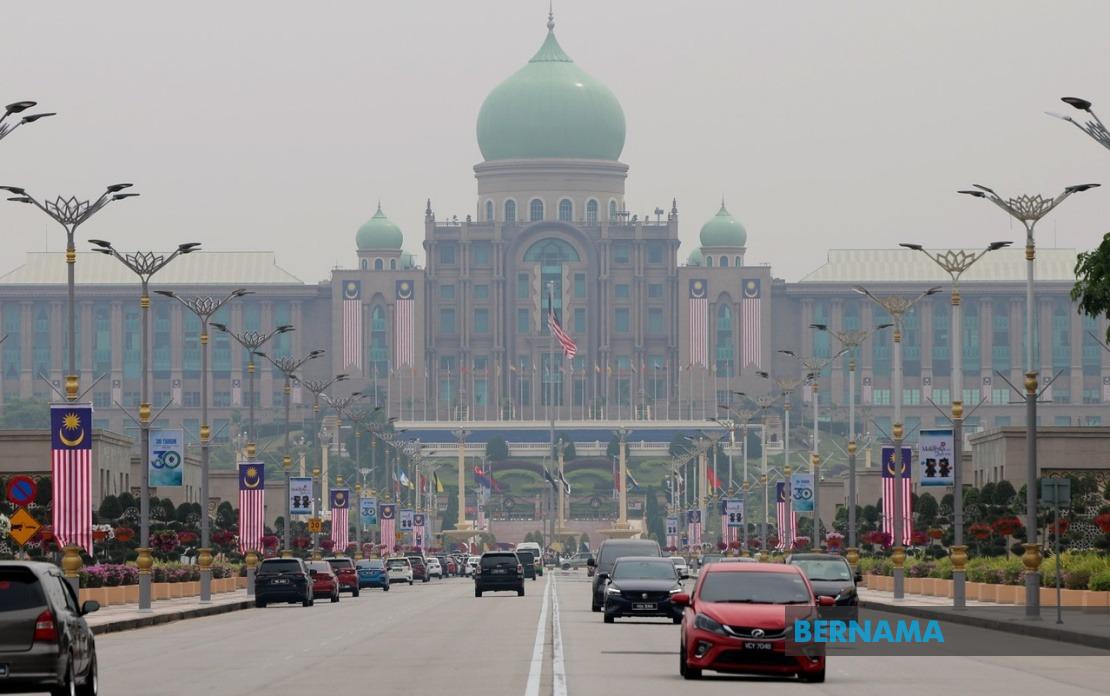
The Malaysian Meteorological Department has issued an alert for deteriorating air quality across multiple regions through August 31, with the situation driven primarily by ongoing forest fires in neighbouring Indonesia and seasonal wind patterns. MetMalaysia director-general Dr Mohd Hisham Mohd Anip warned that the combination of southwest monsoon winds and persistently high concentrations of hotspots in southern Sumatra and western Kalimantan will continue to push smoke and haze across Malaysian borders into the coming days.
Sarawak faces the most severe impact from the forecasted haze event, with the Malaysian Community Multiscale Air Quality Model indicating that the majority of districts in the state will experience unhealthy air quality levels. The situation threatens to worsen further, as several Sarawak districts could potentially reach the Very Unhealthy classification on August 30 and 31, a development that would severely restrict outdoor activities and pose serious health risks to residents, particularly children, elderly persons, and those with respiratory conditions.
The timing of the haze outbreak coincides with Malaysia's National Day celebrations scheduled for August 31, raising immediate concerns about public health during mass gathering events. Communications Minister Datuk Seri Fahmi Fadzil revealed that the government is actively evaluating whether to scale back the magnitude of the National Day commemoration or relocate it to another venue to protect public welfare. This decision reflects the serious nature of the air quality threat and the government's responsibility to safeguard attendees from hazardous environmental conditions.
Beyond Sarawak, the haze is expected to extend across multiple states in Peninsular Malaysia, with Johor, Melaka, Negeri Sembilan, Selangor, Kuala Lumpur and Putrajaya all projected to experience elevated haze concentrations through August 31. Sabah is anticipated to begin experiencing hazy conditions from Saturday onwards. These widespread impacts underscore the transnational nature of air pollution in Southeast Asia, where Indonesia's dry season burning practices have cascading effects across the region.
The southwest monsoon pattern, which typically dominates Malaysian weather from May through September, is a critical factor in determining how quickly the haze disperses or concentrates over Malaysian territory. During this season, winds from the southwest can transport smoke and particulate matter directly from Indonesian sources across the Strait of Malacca and into Malaysian airspace. MetMalaysia emphasizes that the agency is maintaining continuous surveillance of atmospheric conditions and will revise its forecasts as real-time data becomes available, allowing for more precise predictions as weather systems evolve.
Prime Minister Datuk Seri Anwar Ibrahim has called upon Malaysians to pray for conditions to remain manageable during the National Day preparations and ahead of Malaysia Day on September 16. The government machinery is reportedly operating at full capacity to organize both celebrations, and the haze situation adds an additional layer of complexity to logistical planning and risk management. The Prime Minister's public appeal suggests the seriousness with which the administration views the dual challenges of air quality management and national celebration coordination.
This haze episode highlights the recurring vulnerability of Malaysia and the broader Southeast Asian region to transboundary air pollution. The phenomenon, which occurs periodically during the dry season in Indonesia, has become a predictable policy challenge for the Malaysian government. Previous episodes have prompted various government responses, from air quality advisories to school closures and the distribution of protective masks to vulnerable populations.
The economic and social implications of extended haze are substantial. Tourism flows may decline as potential visitors reconsider travel plans during poor air quality periods. Businesses operating outdoor operations face disruptions, while healthcare systems prepare for increased demand from air quality-related illnesses. Transportation efficiency may suffer as visibility constraints affect shipping, aviation, and driving safety.
The forecasting capability demonstrated by MetMalaysia using its MyCMAQ model provides the government with advance warning necessary to implement preventive measures and public communication strategies. This technological capacity, combined with real-time atmospheric monitoring, enables more responsive decision-making than was possible in previous decades. However, the fundamental issue remains rooted in land use management and burning practices in Indonesia, suggesting that sustainable solutions require regional cooperation and coordinated efforts to reduce reliance on fire-based land clearing methods.
As August 31 approaches, Malaysian authorities face a delicate balancing act between maintaining important national commemoration traditions and protecting public health. The resolution of this tension will likely set precedent for how the country manages similar air quality emergencies during future celebration dates. Community preparation measures, including public health advisories, mask distribution, and contingency planning for vulnerable populations, will be critical components of the government's response strategy throughout this period.

