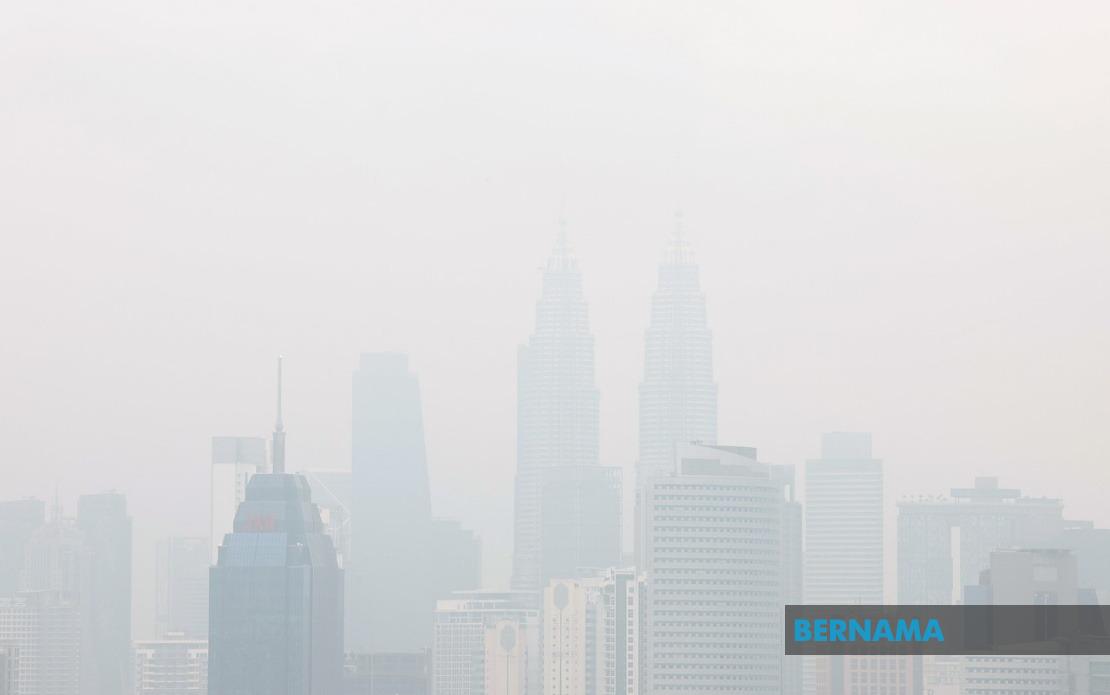
Malaysia's Youth and Sports Minister Dr Mohammed Taufiq Johari has reassured the nation that the current haze situation will not derail the country's preparations for the 2026 Aichi-Nagoya Asian Games, slated to run from 19 September to 3 October. Speaking in Sungai Petani on 29 August, the minister emphasised that comprehensive protocols have been implemented to shield athletes from air quality hazards whilst ensuring their competitive readiness remains on track.
The transboundary haze phenomenon, which regularly affects Malaysia during certain months, poses distinct challenges for outdoor sports training. Rather than abandoning preparation schedules, the Sports Ministry has adopted a strategic recalibration approach. The focus now centres on relocating intensive training sessions from exposed outdoor venues to climate-controlled indoor facilities, a pragmatic solution that protects respiratory health without sacrificing the rigour required for international competition.
Dr Taufiq disclosed that the matter had been deliberated at Cabinet level, indicating the seriousness with which the government is treating air quality concerns. This elevated attention underscores the real tension between maintaining competitive advantage and protecting athlete welfare—a balance that most Southeast Asian nations must strike annually during haze season. The minister's statement signals that decision-makers are not dismissing the haze as a minor inconvenience but rather as a legitimate operational constraint requiring coordinated response.
Central to this approach is consultation with the National Sports Institute (ISN), Malaysia's premier body for athlete development and scientific sports management. By engaging ISN expertise, the Sports Ministry ensures that any modifications to training regimens are grounded in sports science rather than ad hoc improvisation. This institutional coordination reflects a maturing approach to athlete welfare that goes beyond traditional coaching methods, incorporating environmental and health considerations into preparation protocols.
The practical implementation involves a significant shift in training logistics. Outdoor sessions have been curtailed substantially, with the released capacity redirected toward indoor stadiums, climate-controlled halls, and other enclosed facilities equipped for specialist training. This transition requires infrastructure coordination across multiple sporting bodies and venues, a logistical undertaking that extends beyond the Sports Ministry alone. The feasibility of this pivot depends heavily on venue availability and the willingness of facility operators to accommodate the sudden surge in indoor training demand.
For Malaysian athletes, this adjustment carries both advantages and complications. Indoor facilities provide consistency and environmental control that can actually enhance certain aspects of training—controlled humidity, temperature stability, and distraction-free environments suit technical refinement and mental preparation. Conversely, indoor facilities cannot replicate the cardiovascular demands of outdoor endurance training in natural conditions, a limitation that athletes competing in outdoor sports must somehow mitigate through modified protocols.
The timing of these preparations is significant for Malaysia's regional standing. The Asian Games represent the premier continental sporting showcase, where national prestige and athlete aspirations converge. A strong Malaysian showing at Aichi-Nagoya would demonstrate both sporting excellence and the nation's capacity to develop world-class talent despite environmental challenges. Conversely, any perceived decline in performance could be unfairly attributed to haze-related disruptions, whether or not causally linked.
Haze management in Southeast Asia remains fundamentally a transboundary environmental challenge with origins primarily in Indonesia's agricultural and industrial practices. Malaysia's mitigation strategies, however comprehensive, address only the symptom rather than the root cause. Nevertheless, athletes and administrators must work within existing realities, adapting training methodologies to air quality forecasts rather than waiting for regional environmental cooperation that has proven elusive.
Dr Taufiq's statement also reflects the institutional maturation of Malaysian sports administration. Rather than issuing platitudes or deflecting responsibility, the minister articulated specific measures and acknowledged consultation with technical experts. This transparency builds confidence amongst athletes, coaches, and the sporting public that preparations are proceeding under informed guidance rather than political expedience.
The broader context includes Southeast Asia's growing experience in managing athletic development amid environmental constraints. Thailand, Indonesia, and other regional neighbours face similar haze challenges and have developed institutional responses. Malaysia's adaptation strategy, emphasizing indoor training whilst maintaining outdoor capability where conditions permit, aligns with regional best practices developed over decades of seasonal haze exposure.
Looking forward to the Aichi-Nagoya Games, Malaysian teams across multiple sports will arrive with training histories significantly shaped by domestic environmental conditions. Whether this adaptation ultimately enhances or diminishes competitive performance remains uncertain, though the deliberate institutional approach outlined by Dr Taufiq suggests that outcomes will reflect preparation quality rather than environmental victimhood.
Beyond athletics, the minister's engagement with local communities during the Sungai Petani motorcycle convoy—involving nearly 400 participants across multiple stops—reflects a broader political commitment to grassroots connectivity. This community-focused dimension of the Sports Ministry's portfolio demonstrates that national sporting development and local engagement are conceived as complementary priorities rather than competing demands on ministerial attention.

