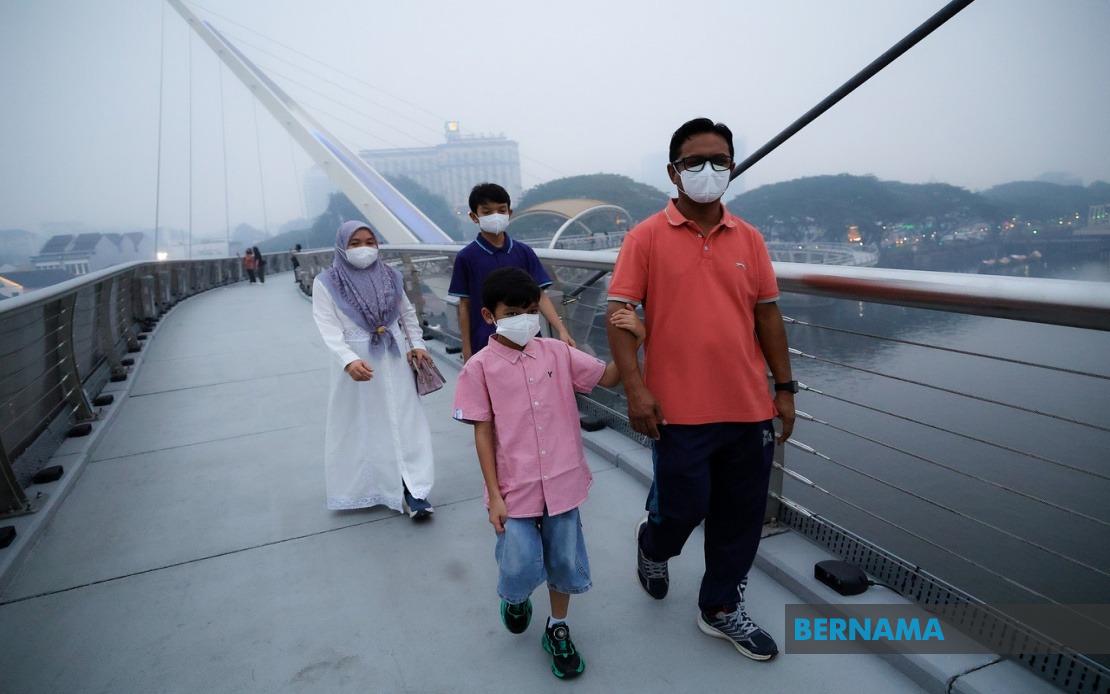
As haze conditions persist across Malaysia, health specialists are emphasizing the importance of vigilance regarding air quality and stressing that public awareness extends beyond simply checking pollution levels. Dr Anas Ahmad Jamhari, a lecturer at Universiti Sultan Zainal Abidin's Faculty of Health Sciences, has outlined a comprehensive approach to managing the health risks posed by seasonal air pollution, highlighting that many Malaysians continue with outdoor routines even when conditions become hazardous.
The Department of Environment's Air Pollutant Index serves as the primary tool for residents to assess daily air quality, yet experts warn that a significant knowledge gap persists regarding when protective action becomes necessary. According to Dr Anas, outdoor activities should be curtailed whenever API readings climb above 100, a threshold that many people either overlook or misunderstand. The concern is particularly acute during peak haze months when visibility drops and respiratory complaints surge, yet outdoor sports and exercise classes continue unabated in parks and recreational facilities across the country.
Proper respiratory protection requires more than simply purchasing a mask from a pharmacy. Dr Anas emphasizes that N95 masks, while effective when used correctly, provide minimal benefit if worn loosely, frequently removed, or damaged by moisture or handling. The seal around the mask edges is critical for filtering fine particulate matter measuring 2.5 micrometers or smaller, the particles most capable of penetrating deep into lung tissue. Adults with facial hair face particular challenges, as whiskers compromise the mask's seal and render the protective equipment largely ineffective. For children, standard mask sizing often fails to achieve proper contact with facial contours, leaving young people vulnerable despite parental efforts to protect them.
The physical exertion that accompanies outdoor recreation dramatically increases vulnerability to haze-related illness. Running, cycling, and competitive sports elevate breathing rates and allow larger volumes of contaminated air to enter the respiratory system. During haze episodes, medical facilities consistently record elevated presentations of acute bronchitis, asthma exacerbations, and upper respiratory infections among people who maintained their exercise routines. The Health Ministry's recent data illustrates this trend vividly—asthma cases at sentinel facilities surged more than eightfold to 1,811 in Epidemiological Week 34, compared with just 219 cases the previous week. Conjunctivitis complaints similarly jumped from 146 to 720 cases during the same period, reflecting the irritant effects of fine particles on mucous membranes.
Indoor environments require deliberate management to minimize exposure. Dr Anas recommends sealing doors and windows during peak haze periods while simultaneously addressing internal pollution sources. Cigarette and vape smoke, incense burning, scented candles, and cooking activities that generate substantial smoke all compound the effects of outdoor air pollution. Vehicle air-conditioning systems warrant particular attention; drivers should configure climate controls to recirculate cabin air rather than drawing in outside air, a simple adjustment that significantly reduces fine particle infiltration. Communities and local authorities must also address open burning practices, whether deliberate or incidental, as these contribute substantially to overall haze formation.
From a biochemical perspective, haze represents far more than visible smoke diminishing sight lines. Dr Anas explains that particulate matter and various chemical compounds suspended in the air trigger oxidative stress within the respiratory system when inhaled. This biological process initiates inflammation, damages lung tissue cells, and progressively impairs respiratory function. The cumulative effects extend beyond immediate discomfort, potentially contributing to chronic respiratory conditions with long-term health consequences. Understanding haze as a complex chemical and particulate phenomenon rather than a mere visibility issue reshapes how individuals approach protective measures.
Temperature and humidity complicate the health equation during haze episodes. Datuk Dr Zainal Ariffin Omar, a public health medicine specialist, notes that haze rarely occurs in isolation and frequently coincides with elevated temperatures during El Niño years. This dual threat—poor air quality combined with heat stress—creates compounding health risks that warrant integrated response strategies. High temperatures increase metabolic demands and accelerate dehydration, particularly in outdoor workers and children. The combination intensifies heat stroke risks and reduces the body's capacity to manage respiratory stress simultaneously. Public health messaging must therefore address both threats concurrently rather than compartmentalizing haze as a purely air quality issue.
Water consumption assumes heightened importance when haze and heat combine. Dr Zainal emphasizes that adequate hydration becomes critical during these episodes, yet public guidance frequently overlooks this simple yet crucial intervention. Dehydration exacerbates the respiratory effects of poor air quality and increases susceptibility to heat-related illness. Workers engaged in outdoor occupations face particular vulnerability, as their professions demand continued outdoor exposure regardless of API readings. Providing accessible water sources and clear guidance about hydration thresholds represents an underutilized public health intervention.
Public perception of haze as a seasonal inevitability undermines preparedness and creates dangerous complacency. Dr Zainal warns that treating haze episodes as temporary inconveniences rather than serious health threats encourages people to maintain normal routines until air quality becomes visibly compromised. This reactive approach results in delayed interventions and increased illness incidence. Effective public health communication must normalize proactive behavior, encouraging protective action at lower API thresholds before severe symptoms emerge. Messaging should emphasize that early intervention prevents acute illness better than treatment after symptoms develop.
Strengthening public awareness requires sustained communication efforts employing simple, accessible language that reaches diverse population segments. Current information often remains technical and complicated, failing to resonate with general audiences. Health authorities should develop community campaigns that translate API numbers into clear behavioral guidance, explain proper mask usage through visual demonstrations, and regularly update the public regarding air quality trends. Schools, workplaces, and community centers could serve as distribution points for accurate information and properly fitted protective equipment. Malaysian media and government agencies must coordinate messaging to ensure consistency and prevent conflicting guidance that confuses the public during critical health episodes.

