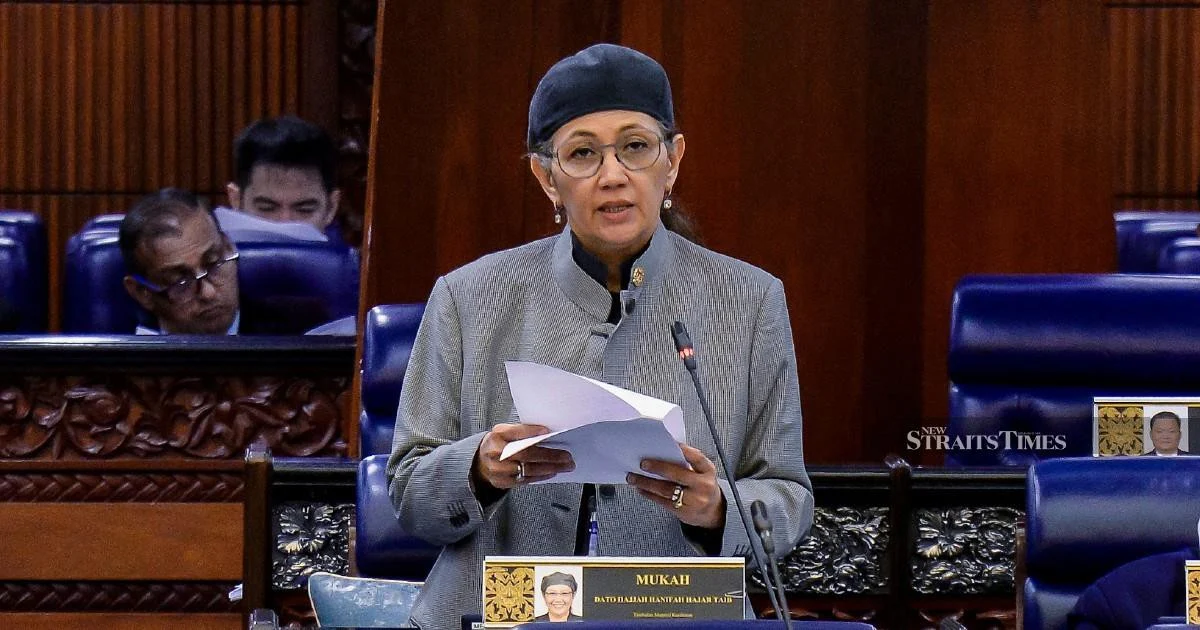
The Malaysian Health Ministry has initiated a formal investigation into potential wrongdoing by medical personnel following the uprising at Taiping Prison that erupted last January, establishing a dedicated committee to examine the allegations against its officers involved in the incident.
The formation of this investigative body represents a significant step in the government's effort to address accountability concerns stemming from the prison disturbance. The committee has been tasked with thoroughly examining the circumstances surrounding the actions—or alleged inactions—of Health Ministry medical staff during the chaotic event, which drew considerable public and media scrutiny at the time.
Taiping Prison, located in Perak, experienced serious unrest that prompted swift intervention by prison authorities and other government agencies. The January incident highlighted potential gaps in coordination between different government departments operating within the prison system. Medical personnel are typically stationed in prisons to provide healthcare services to inmates and occasionally assist during emergency situations, making their role during civil disturbances particularly sensitive and closely scrutinised.
The specific nature of the misconduct allegations remains a critical focus for the inquiry committee. Medical officers may face questions regarding their response protocols, adherence to established procedures, provision of emergency medical assistance to affected parties, and whether their actions aligned with ethical and professional standards expected of healthcare workers operating in high-stress environments.
This investigation reflects broader concerns in Malaysia regarding institutional accountability and oversight in government agencies. The prison system has faced periodic scrutiny over various issues, and incidents involving alleged misconduct by officials—whether medical, security, or administrative—typically trigger formal inquiries to maintain public confidence and institutional integrity.
For Malaysian healthcare professionals, the implications extend beyond the immediate case. The establishment of such committees sends a clear message that the Health Ministry takes allegations seriously and is willing to conduct independent reviews of its personnel's conduct. This can serve as both a deterrent to potential misconduct and reassurance to the public that oversight mechanisms exist within government health services.
The committee's work occurs within the context of Malaysia's broader governance frameworks concerning prison management and institutional accountability. Prisons house some of the country's most vulnerable and challenging populations, requiring robust systems to ensure that all officials—regardless of their role—maintain professional standards even during extraordinary circumstances. Medical staff occupy a particularly crucial position, as they are expected to provide care while remaining neutral and professional regardless of the context in which they work.
International standards for prison healthcare, established by organisations such as the World Health Organization and various human rights bodies, emphasise that medical personnel must always act in accordance with medical ethics and professional codes of conduct. The committee's investigation will likely consider whether the involved officers met these international benchmarks as well as domestic Malaysian standards.
The outcome of this inquiry carries implications for how future prison incidents are managed and how inter-departmental cooperation functions during crises. Should misconduct be substantiated, the committee's findings and any consequent disciplinary actions would establish precedents for addressing similar situations. Conversely, if the investigation clears the involved officers, it would provide important clarification on what transpired during the riot.
For prison administrators and policymakers, the investigation underscores the necessity of clear protocols governing how medical teams should operate during civil disturbances. Whether officers were inadequately trained, lacked clear directives, or faced impossible circumstances will significantly influence recommendations for future improvement.
The special committee's composition, expertise, and timeline for completing its work remain important details for public accountability. Transparency in how such inquiries are conducted builds institutional credibility and demonstrates that the Health Ministry operates under proper supervision and ethical frameworks.
As Malaysia continues to address various institutional challenges, investigations such as this one contribute to the gradual strengthening of accountability mechanisms across government departments. The Health Ministry's willingness to establish this committee signals responsiveness to public concern and commitment to maintaining professional standards among its personnel, even in complex and potentially controversial circumstances involving the prison system.
The investigation into the Taiping Prison riot incident represents an opportunity to clarify facts, establish accountability where warranted, and generate insights that can inform future protocols and inter-agency cooperation arrangements designed to prevent similar allegations from arising during subsequent prison emergencies.

