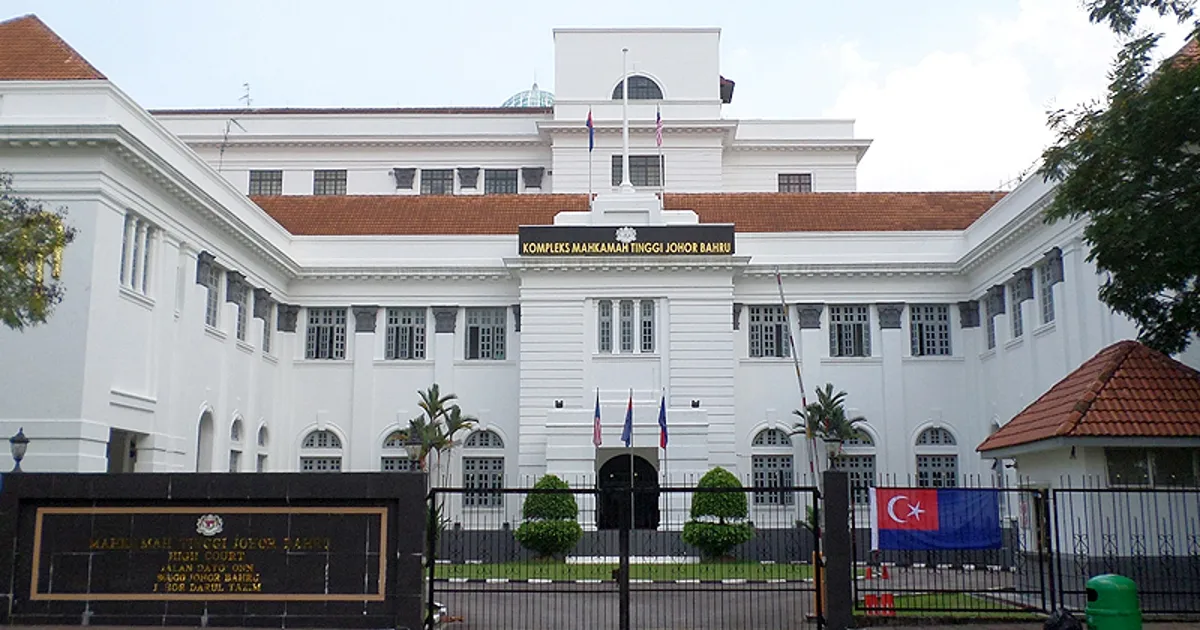
An instructor employed at a government training institute has been cleared of sexual assault allegations by the High Court, which delivered a stinging rebuke to the police investigation, stating that it fell markedly short of proper investigative standards. The judgment marks a significant development in a case that raises important questions about the quality and rigour of criminal investigations in Malaysia, particularly in sensitive matters involving allegations of sexual misconduct.
The court's decision to acquit the instructor reflects broader concerns about investigative procedures and the adequacy of evidence gathering in such cases. The judicial criticism of police conduct extends beyond mere procedural failings, suggesting systemic weaknesses that could affect the integrity of future prosecutions. For observers of Malaysia's justice system, the judgment underscores the critical importance of thorough, professional investigation protocols, especially when cases involve allegations of a sexual nature where evidence gathering must be meticulous and comprehensive.
The High Court's remarks about the investigation's shortcomings carry implications that extend well beyond this individual case. When senior judges highlight deficiencies in police work at this level, it signals to investigating officers and supervisory personnel that inadequate preparation and incomplete fact-finding will not withstand judicial scrutiny. Such judicial pronouncements serve as practical guidance for improving investigative practices across the force, though whether they translate into institutional change remains a persistent challenge in Malaysia's law enforcement landscape.
Government training institutes occupy a position of significant responsibility within Malaysia's public sector, tasked with developing skilled personnel across various fields. Allegations involving staff at such institutions carry particular gravity given the pastoral and supervisory relationships inherent in training environments. When such charges arise, the investigation becomes not merely a matter of individual culpability but also a reflection on institutional safeguards and the workplace culture that should prevent such conduct. The acquittal in this case does not necessarily vindicate the workplace environment but rather indicates insufficient evidence to prove the allegations beyond reasonable doubt.
The distinction between acquittal and exoneration remains legally and practically important. While the instructor stands acquitted in criminal proceedings, the court's acceptance of the accused's version of events depends entirely on the strength of the evidence presented. In cases where investigative deficiencies lead to weak prosecution evidence, courts must acquit regardless of the actual merits, simply because the burden of proof has not been satisfied. This outcome, though vindicating for the accused individual, may leave questions unresolved about what actually occurred.
Police investigations into sexual assault allegations require particular sensitivity and technical competence. Investigators must understand the trauma responses of complainants, preserve evidence appropriately, conduct interviews with proper training, and build cases methodically from available evidence. When courts identify that such investigations have fallen short, it suggests potential gaps in training, supervision, or resource allocation within relevant police units. These findings warrant review by police leadership and, where necessary, corrective measures to prevent similar investigative failures in future cases.
The judgment's significance for Malaysian legal practice lies partly in its reinforcement that investigative quality directly determines prosecutorial success. Police cannot rely on the seriousness of allegations or the apparent credibility of complainants to carry cases; they must produce evidence that meets judicial standards. This principle applies with particular force in sexual assault cases, where corroborating evidence may be limited and investigator competence becomes paramount. The High Court's criticism therefore serves as a practical reminder that investigative shortcuts inevitably result in failed prosecutions.
For the training institute and its leadership, the case raises separate institutional questions beyond the criminal proceedings. Whether the organisation conducted its own inquiry into the allegations, whether workplace policies for reporting such matters function effectively, and whether support systems exist for both complainants and accused staff members remain matters of organisational governance. Public sector institutions bear responsibility for maintaining workplace environments free from harassment and misconduct, duties that operate independently of criminal law processes.
The case also reflects broader societal dynamics around sexual assault allegations in Malaysia. Public discourse increasingly acknowledges such matters, with complainants more willing to report incidents than in previous decades. However, investigations must keep pace with this cultural shift, ensuring that professional standards match public expectations for rigorous, fair, and competent handling of serious allegations. When courts find investigations deficient, it undercuts public confidence in the system's capacity to pursue legitimate claims effectively.
Moving forward, the acquittal provides an opportunity for reflection within Malaysia's law enforcement hierarchy about investigative training and quality assurance mechanisms. Police forces worldwide face challenges in sexual assault investigations, given their complexity and sensitivity, but professional standards and rigorous supervision can substantially improve outcomes. The High Court's judgment, while favouring the defendant, should prompt consideration of whether current investigative practices in similar cases meet expected professional standards or whether enhancement is required.
For Malaysian legal practitioners and observers, the judgment demonstrates that courts will not hesitate to identify and criticise investigative inadequacy, even when doing so benefits defendants. This principled stance protects the broader integrity of the criminal justice system, ensuring that convictions rest on solid investigative foundations rather than institutional momentum or assumptions. While this particular instructor has been cleared, the court's message to investigators carries implications extending across Malaysia's prosecutorial landscape.

