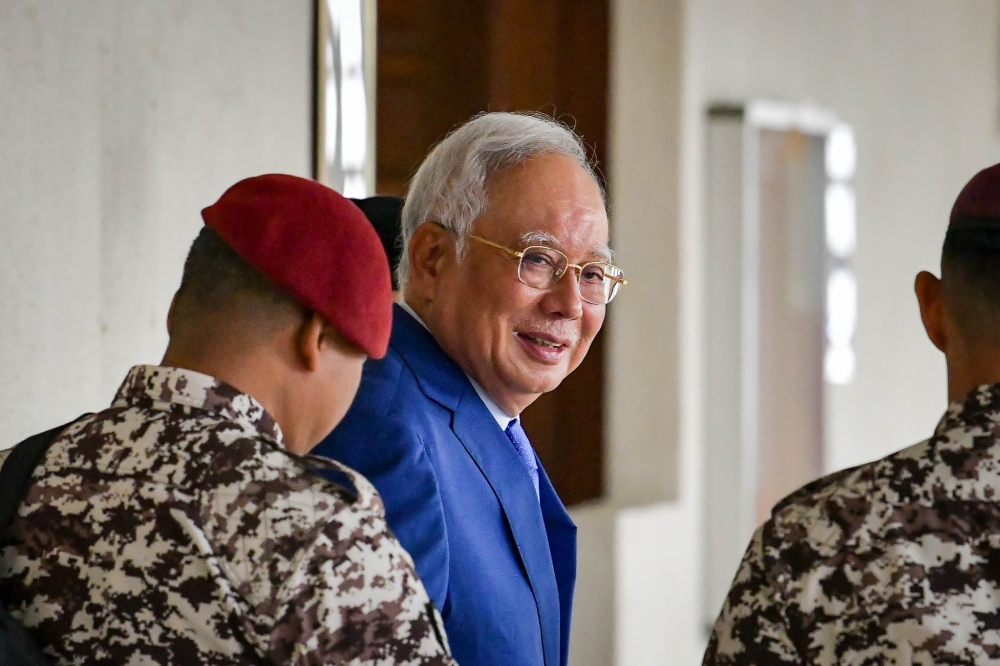
The High Court in Kuala Lumpur is currently examining one of Malaysia's most significant financial scandals, with proceedings underway to determine whether former Prime Minister Najib Razak bears responsibility for the alleged misappropriation of approximately US$5.64 billion from 1Malaysia Development Berhad and its associated entities. This case represents a pivotal moment in the nation's judicial system, testing the courts' capacity to hold even the highest-ranking officials accountable for breaches of public trust.
1MDB was established as a sovereign wealth fund intended to accelerate Malaysia's economic development through strategic investments and infrastructure projects. The fund and its four subsidiaries are now seeking to demonstrate through court testimony that senior management, including Najib during his tenure as Prime Minister and his role overseeing the fund, engaged in deliberate misconduct that fundamentally betrayed public interest. The case hinges on whether evidence can establish a pattern of deliberate deception and wrongdoing rather than mere administrative incompetence or poor governance.
For Malaysian citizens and observers across Southeast Asia, this trial carries profound implications beyond the courtroom. It addresses fundamental questions about governance, institutional oversight, and whether democratic safeguards can function effectively when those in power are accused of systematic abuse. The scale of the alleged fraud—involving an amount equivalent to several years of spending on critical social programmes—underscores the stakes involved in financial accountability at the highest levels of government.
The proceedings have drawn international attention given 1MDB's global reach in its operations and investments. Multiple jurisdictions, including the United States, Singapore, and others, have conducted parallel investigations into the fund's activities. This international dimension means Malaysia's handling of the case influences perceptions of the nation's commitment to combating financial crime and maintaining institutional integrity in the eyes of foreign investors and trading partners.
The detailed examination of 1MDB's internal records, investment flows, and management decisions forms the evidentiary foundation for establishing how funds were allegedly diverted from their stated purposes. Witnesses from the fund's operations, auditors, and financial specialists are expected to provide testimony regarding the mechanisms through which large sums were transferred, the authorisations supposedly granted, and the documentation that should have prevented such transactions under normal corporate governance standards.
Najib's defence team will likely emphasise gaps in evidence, alternative explanations for financial flows, and the involvement of other parties in decision-making processes. The court must weigh competing narratives about who knew what, when individual actors understood the implications of their actions, and whether evidence demonstrates criminal intent or merely poor judgment and inadequate controls. These distinctions carry significant weight in Malaysian legal proceedings.
The trial also illuminates broader governance challenges within Malaysia's public sector. 1MDB's collapse revealed weaknesses in oversight mechanisms, auditing procedures, and the balance of power between executive authority and institutional checks. Subsequent reforms have aimed to strengthen governance frameworks, but observers assess whether those changes adequately address systemic vulnerabilities that allowed such a large scheme to develop and persist across multiple years and government administrations.
For Southeast Asian nations grappling with similar challenges around corruption and financial governance, Malaysia's judicial response to this case sends important signals. The willingness of courts to thoroughly examine allegations against powerful former officials, the rigour applied to scrutinising evidence, and the consistency of application across different social classes influences regional confidence in the rule of law and democratic institutions more broadly.
The financial consequences extend beyond criminal liability. 1MDB's creditors, development projects left incomplete, and public resources diverted from intended uses represent real costs absorbed by Malaysian citizens. Some funds have been recovered through international cooperation and asset seizures, but substantial amounts remain unaccounted for, making the recovery of public assets a parallel concern to determining criminal responsibility.
This trial occurs within Malaysia's evolving political landscape, where governance and anti-corruption emerged as central issues in recent electoral cycles. Public perceptions of how thoroughly and fairly the judicial system handles this case influence broader confidence in institutions and shape political discourse around accountability and reform. The detailed examination of evidence, testimony from key witnesses, and ultimately the court's findings will establish precedents affecting how similar cases may be pursued against other officials.
The complexity of international finance, the technical nature of fund transfers, and the volume of documentation involved make this case particularly challenging for judicial review. Malaysian courts must synthesise extensive evidence spanning multiple countries and financial systems to reach conclusions about liability. This technical dimension requires judges to develop sophisticated understanding of modern financial instruments and corporate structures, ensuring that legal frameworks remain adequately equipped to address contemporary forms of financial misconduct.
As the High Court proceedings continue, both domestic and international observers scrutinise whether Malaysia's judicial system can deliver justice in cases involving the nation's most prominent figures. The outcome will influence assessments of institutional resilience, the effectiveness of anti-corruption efforts, and Malaysia's standing within the international community regarding commitments to financial governance and the rule of law.

