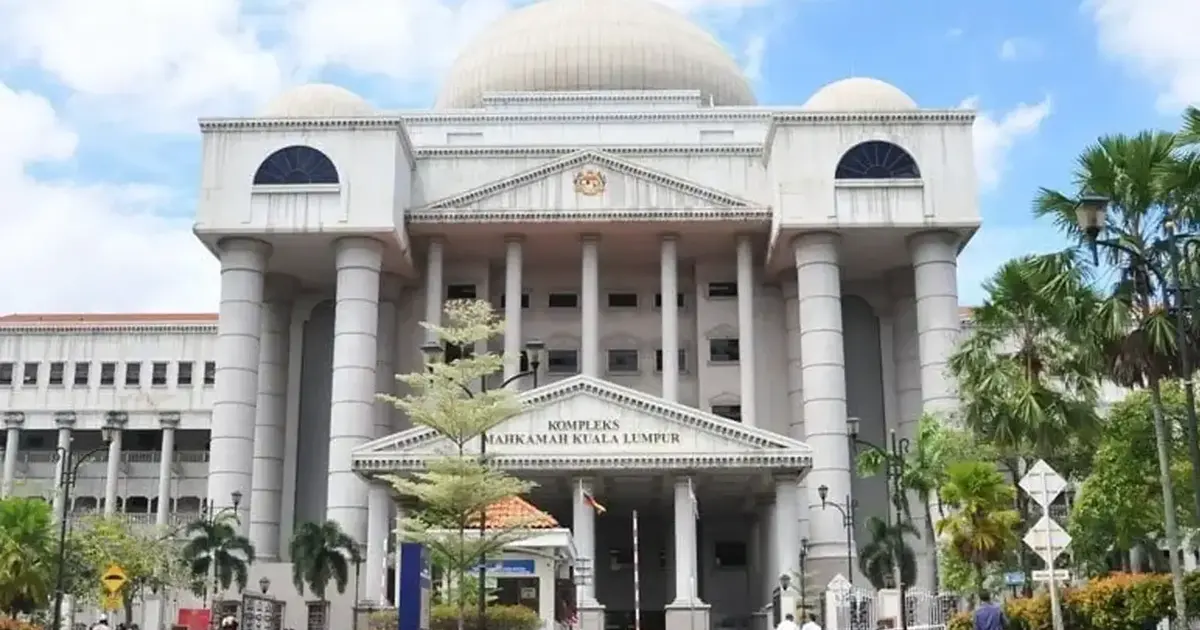
A Malaysian High Court judge has issued a domestic Mareva injunction freezing assets valued at more than RM14 million held by the East West Group, an oil palm conglomerate facing a civil lawsuit from investors. The court order serves as a protective mechanism to ensure the company retains sufficient financial resources within Malaysia should the plaintiffs succeed in their claims, preventing potential asset dissipation before judgment is rendered.
The Mareva injunction—named after a landmark English law case—represents a powerful judicial tool designed to prevent defendants from moving or concealing assets with the intention of evading liability. By securing these funds within Malaysian jurisdiction, the court has effectively created a financial safeguard that underscores the seriousness of the investor claims against the conglomerate. This type of injunction is typically granted when courts are satisfied that there exists a genuine risk of asset flight if no protective measures are implemented.
The East West Group operates across Malaysia's significant palm oil sector, an industry that generates substantial export revenues and employment across the country. The group's exposure to this civil suit highlights broader concerns within the commodity sector regarding corporate governance and investor protection. Palm oil remains one of Malaysia's economically critical industries, with production and export activities deeply intertwined with the nation's economic performance and international trade relationships.
The specific nature of investor grievances against the conglomerate reflects a pattern of disputes that has emerged within Malaysia's business landscape in recent years. These conflicts often centre on allegations of mismanagement, breach of contractual obligations, or inadequate financial disclosure—issues that resonate with stakeholders across various sectors who depend on corporate transparency and accountability. The court's decision to grant the injunction suggests judicial confidence in the substantive merits of the investor claims warranting such protective action.
For Malaysian investors and the broader business community, this decision carries significant implications regarding asset protection mechanisms and the enforcement of civil judgments. The High Court's willingness to deploy Mareva injunctions demonstrates an active judicial approach to preventing corporate defendants from circumventing legal obligations through strategic asset transfers. Such decisions provide reassurance to claimants pursuing civil remedies that courts will deploy available legal instruments to preserve the possibility of meaningful recovery.
The freezing of RM14 million represents a substantial constraint on the East West Group's operational flexibility during the pendency of litigation. Large asset immobilisation can fundamentally alter corporate dynamics, affecting the company's capacity for expansion, debt servicing, or dividend distributions. This financial pressure may also create incentives for settlement negotiations, as prolonged litigation combined with frozen assets can prove increasingly burdensome for corporate defendants seeking to maintain business continuity and stakeholder confidence.
International observers of Malaysian corporate law note that the jurisdiction's approach to Mareva injunctions reflects evolving standards in civil procedure and asset protection. Malaysia's High Court operates within a common law framework inherited from the British legal tradition, enabling judges to apply sophisticated remedies developed through decades of English and Commonwealth jurisprudence. This flexibility allows Malaysian courts to adapt protective mechanisms to contemporary commercial realities and disputes of increasing complexity.
The underlying civil suit involving the East West Group contributes to Malaysia's broader conversation about corporate accountability and investor safeguards. As the country pursues economic diversification and attracts international investment capital, robust judicial mechanisms for addressing investor grievances become increasingly important for maintaining market confidence and Malaysia's reputation as a stable destination for business activity. The High Court's intervention signals that the judiciary stands ready to protect legitimate investor interests through available legal remedies.
For the East West Group, the injunction creates immediate operational constraints that may necessitate restructuring financial arrangements or seeking alternative sources of liquidity not subject to court freeze orders. Publicly listed companies or those with institutional investors face particular pressure, as asset freezes can trigger disclosure obligations and shareholder concerns regarding financial stability. The company's management must balance defending against investor claims while simultaneously reassuring stakeholders and lenders regarding the organisation's viability and continued capacity to service obligations.
The decision also illuminates the practical functioning of Malaysian civil courts in complex commercial disputes. Mareva injunctions require courts to balance competing interests: preventing unjust enrichment and asset dissipation against potential hardship to defendants whose legitimate business operations may suffer from asset immobilisation. Judges must evaluate evidence regarding the plaintiff's likelihood of success and the genuine risk of asset flight before granting such orders. This careful judicial calibration ensures that powerful remedies are applied appropriately rather than wielded as litigation weapons by plaintiffs pursuing weak or marginal claims.
Looking forward, this case may establish important precedent regarding the circumstances under which Malaysian courts will intervene to freeze assets belonging to companies operating within commodity-dependent sectors. As palm oil companies continue navigating global market volatility, environmental pressures, and regulatory compliance demands, corporate governance disputes appear likely to increase. The High Court's proactive stance in preserving remedial effectiveness through asset freezes reflects judicial recognition that investor protection mechanisms remain essential for sustaining confidence in Malaysia's corporate environment and capital markets.

