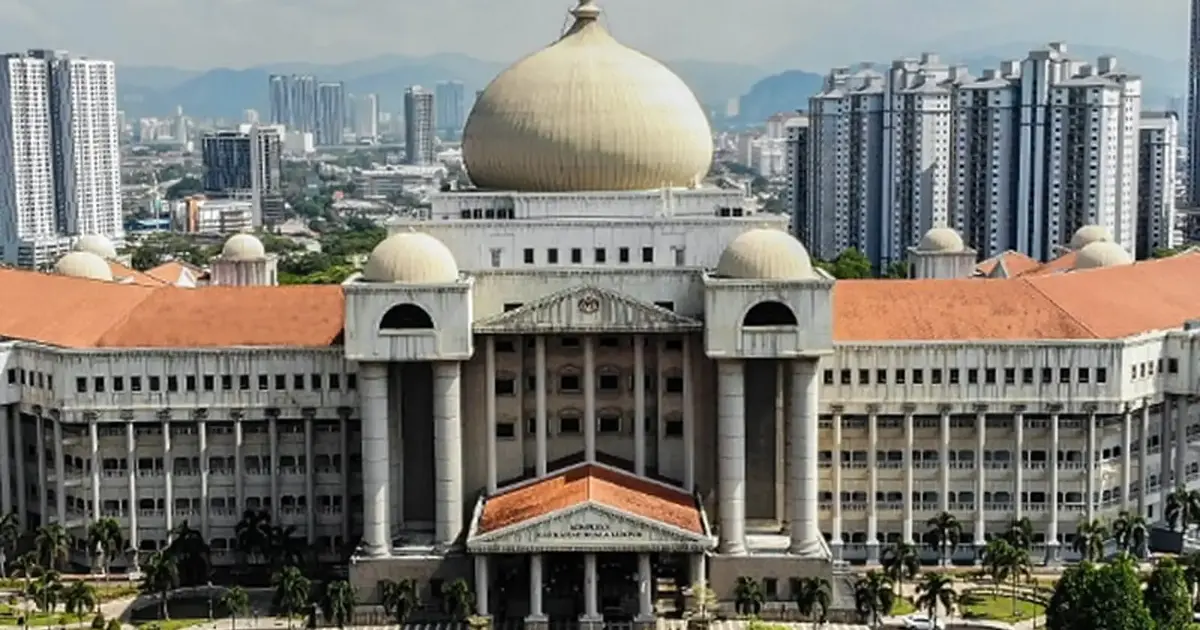
Malaysia's High Court has determined that the prime minister need not appear as a witness in a RM30 million civil suit, concluding that his testimony would not be essential to resolving the case. The court's decision to strike down the subpoena represents a significant ruling on the scope of judicial authority when seeking testimony from sitting heads of government and raises important questions about the balance between accountability and executive privilege in the Malaysian legal system.
The ruling hinges on a longstanding legal principle: only individuals with direct and material knowledge of disputed facts can be compelled to give evidence. The High Court found that the prime minister falls outside this category in the context of this particular dispute. This determination carries implications for how courts will evaluate future requests to summon high-ranking officials, especially those holding the highest executive office in the country.
The decision reflects judicial caution about disrupting the functioning of government through extensive courtroom obligations on sitting prime ministers. Malaysian courts have historically recognised that requiring the head of government to attend lengthy court proceedings could impede the administration of the nation and create practical difficulties that extend beyond the immediate legal matter at hand. The judgment suggests courts will scrutinise such subpoenas carefully, ensuring they serve genuine evidentiary purposes rather than serving as vehicles for political or strategic purposes.
From a broader governance perspective, this ruling underscores the tension inherent in modern democracies between ensuring equal access to justice and acknowledging the unique position occupied by holders of high public office. The RM30 million suit represents a substantial dispute, yet the court has determined that resolution does not require direct testimony from the nation's chief executive. This reflects confidence in the Malaysian legal system's ability to establish facts and determine liability through other available evidence and witness testimony.
The implications for Malaysian jurisprudence are noteworthy. Future litigants seeking to compel testimony from prime ministers, ministers, or other senior officials will face a higher evidentiary threshold. They must demonstrate not merely that such officials have some knowledge of events, but that their testimony is genuinely material to the case's outcome. This standard protects executive officials from harassment through the courts while preserving the judiciary's authority to compel testimony when truly necessary.
The case also reflects international legal practice. Courts in other Commonwealth jurisdictions, including the United Kingdom, Canada, and Australia, have similarly restricted the compulsion of sitting heads of government to testify, though they do so with varying degrees of formality and through different legal mechanisms. The Malaysian High Court's approach aligns with these established precedents, suggesting the nation's judiciary is applying internationally recognised principles to domestic circumstances.
For the parties involved in the RM30 million dispute, the ruling necessitates a recalibration of litigation strategy. Rather than relying on anticipated testimony from the prime minister, they must now construct their cases through documentary evidence, testimony from witnesses with direct involvement, and expert analysis where relevant. This may actually strengthen the overall quality of evidence presented, as courts often prefer substantial documents and contemporaneous communications over recollected testimony about complex transactions.
The decision carries implications for civil litigation in Malaysia more broadly. Businesses and individuals filing suits involving government-related matters may have previously entertained hopes of obtaining testimony from senior political figures. The High Court's ruling clarifies that such hopes are largely unfounded unless the circumstances demonstrate exceptional materiality. This creates predictability in the litigation process and reduces the likelihood of protracted procedural battles over subpoena enforcement.
From a separation of powers perspective, the ruling respects the constitutional position of the executive branch while maintaining judicial independence in determining the scope of compellable testimony. The court has not absolved the prime minister from legal accountability—rather, it has determined that accountability in this specific instance can be achieved through alternative evidentiary pathways. This measured approach preserves both executive functioning and judicial authority.
The RM30 million suit itself represents the type of substantial commercial or civil dispute that frequently generates calls for high-level involvement. However, the court's judgment suggests that such disputes, whatever their magnitude, do not automatically warrant disruption to the prime minister's duties. The reasoning implies that the government's continuity and effectiveness are considerations that courts may legitimately weigh when evaluating requests to compel testimony from sitting heads of state.
Looking forward, this ruling may influence how future legislation regarding witness compulsion is framed, particularly as it applies to office holders. The decision provides guidance to lower courts encountering similar requests and establishes a framework that other Malaysian judges can apply when confronting analogous situations. This jurisprudential development contributes to a more coherent and predictable legal system.
The High Court's determination ultimately reflects a pragmatic judicial philosophy that recognises the extraordinary nature of the prime minister's position while maintaining the principle that no one is entirely above the law. The case demonstrates how Malaysian courts navigate complex questions of legal obligation, executive privilege, and procedural fairness in ways that protect both individual rights and effective governance.


%22%2F%3E%3C%2Fpattern%3E%3C%2Fdefs%3E%3Crect%20width%3D%22100%25%22%20height%3D%22100%25%22%20fill%3D%22url(%23ph4q0m9g)%22%2F%3E%3Crect%20width%3D%22100%25%22%20height%3D%22100%25%22%20fill%3D%22url(%23ph4q0m9p)%22%2F%3E%3Ctext%20x%3D%2250%25%22%20y%3D%2250%25%22%20text-anchor%3D%22middle%22%20dominant-baseline%3D%22central%22%20fill%3D%22rgba(255%2C255%2C255%2C0.95)%22%20font-family%3D%22Georgia%2C%20'Times%20New%20Roman'%2C%20serif%22%20font-weight%3D%22700%22%20font-size%3D%22194%22%20letter-spacing%3D%22-0.02em%22%3ETeacher%3C%2Ftext%3E%3C%2Fsvg%3E)