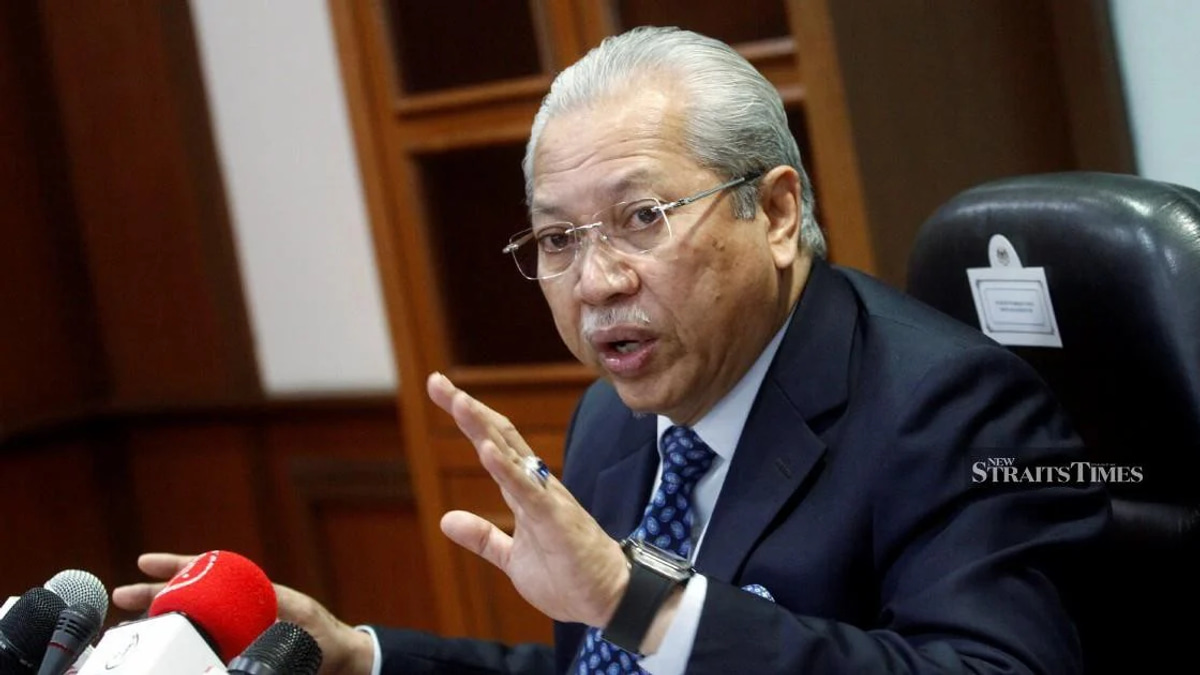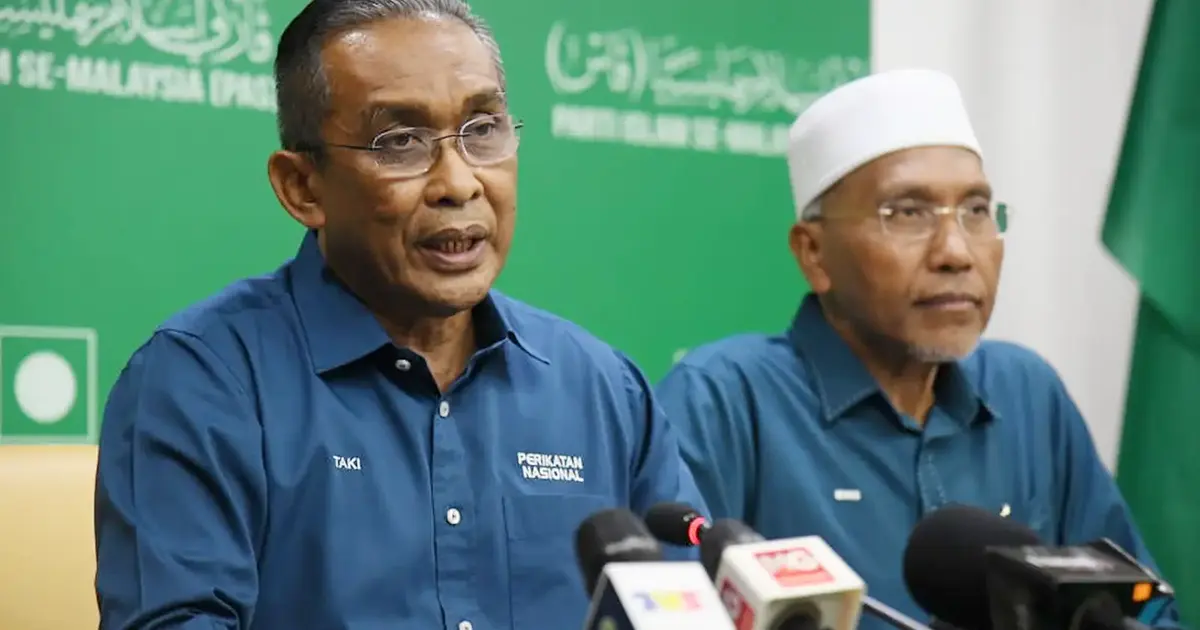
Perikatan Nasional has moved to impose strict procedural requirements on internal convocations, with the coalition's secretary-general Takiyuddin Hassan asserting that any meeting or event organised under the PN banner requires explicit authorisation from the chairman before proceeding. The clarification comes amid reports that Bersatu president Muhyiddin Yassin had sought to arrange a PN Supreme Council meeting, prompting Takiyuddin to publicly establish the governance protocol governing such assemblies.
The directive represents a significant reinforcement of hierarchical authority within the coalition, effectively centralising decision-making power over the scheduling and conduct of high-level PN gatherings. By requiring chairperson approval as a prerequisite, the coalition leadership appears intent on preventing individual component parties or their leaders from unilaterally triggering meetings that could fragment the coalition's unified position on policy matters or internal disputes. This institutional safeguard suggests underlying tensions within PN's power structures that necessitate tighter coordination mechanisms.
The timing of this announcement reveals potential friction between Bersatu and other PN components, particularly given Muhyiddin's prominent position as party president and his historical role in establishing the coalition itself. Bersatu, as the largest component party by parliamentary representation, wields considerable influence within PN's deliberative bodies, yet the secretary-general's statement suggests that even parties holding significant bloc strength must navigate established protocols rather than act independently. This dynamic mirrors broader tensions visible across Malaysian coalitions, where larger components sometimes chafe against centralised control structures designed to preserve cohesion.
For Malaysian political observers, the episode underscores the fragility of multi-party coalitions operating under consensus-based decision frameworks. Perikatan Nasional, as a relative newcomer to the Malaysian political landscape compared to its predecessor alliance arrangements, continues calibrating its internal governance mechanisms to balance member autonomy with coalition-wide coordination. The imposition of procedural checks reflects hard-won lessons about how unilateral actions by component parties can destabilise collective positions and undermine coalition credibility with voters and potential parliamentary allies.
Takiyuddin Hassan's role as secretary-general positions him as guardian of PN's administrative machinery and institutional continuity. His willingness to publicly establish governance boundaries suggests either a recent pattern of procedural violations or a preemptive move to establish clarity before disputes escalate. The secretary-general functions as an enforcer of coalition discipline, and his pronouncement carries implicit warning that unauthorised meetings may lack legitimacy within PN's constitutional framework, potentially invalidating any decisions produced by such gatherings.
The Supreme Council, as PN's highest decision-making body, carries outsized significance for coalition strategy and parliamentary coordination. Unauthorised convocations of this body could theoretically produce competing mandates that weaken PN's negotiating positions in parliament or vis-à-vis the federal government. By requiring chairmanship approval, the coalition essentially ensures that the most senior leadership maintains ultimate control over when and how the Supreme Council assembles, preventing surprise meetings that might catch other parties off-guard or exclude their representatives.
This governance model reflects international coalition practices, particularly in systems where multiple parties must maintain operational unity despite conflicting interests. European coalition governments often employ similar centralising mechanisms, designating coalition chairs or senior coordinators who serve as gatekeepers for major collective decisions. The PN framework, though adapted to Malaysian parliamentary circumstances, similarly recognises that without such controls, larger parties can weaponise meeting structures to advance parochial agendas at the coalition's expense.
The backdrop of Muhyiddin's apparent unilateral action cannot be divorced from broader PN dynamics. As Bersatu president commanding significant parliamentary numbers and substantial organisational machinery, Muhyiddin possesses both resources and incentive to shape coalition directions. Yet his position does not exempt him from procedural requirements that ostensibly apply uniformly across all PN component leaderships. The secretary-general's intervention, therefore, carries pedagogical weight, establishing that no PN member, regardless of party size or historical prominence, operates beyond institutional constraints.
Regional implications merit attention as well. Across Southeast Asia, coalition politics increasingly determines government formation and parliamentary stability, particularly in Malaysia where no single party commands outright majorities. The mechanisms PN develops for internal coordination may set precedents studied by other regional political alliances, particularly those grappling with similar fractionalisation. Malaysia's complex ethnic and religious composition, mapped onto party organisation, makes coalition governance unusually consequential, as breakdowns in internal discipline can cascade into broader political instability affecting investor confidence and governance effectiveness.
Looking forward, Takiyuddin's statement establishes a written record of procedural requirements that any PN member cannot plausibly claim ignorance of when planning future gatherings. This documentation serves protective function for coalition leadership, establishing that subsequent unauthorised meetings represent deliberate procedural violations rather than administrative oversights. Should Muhyiddin or other party leaders attempt additional unilateral convocations, the secretary-general can point to the established protocol as justification for invalidating such proceedings or imposing internal disciplinary measures.