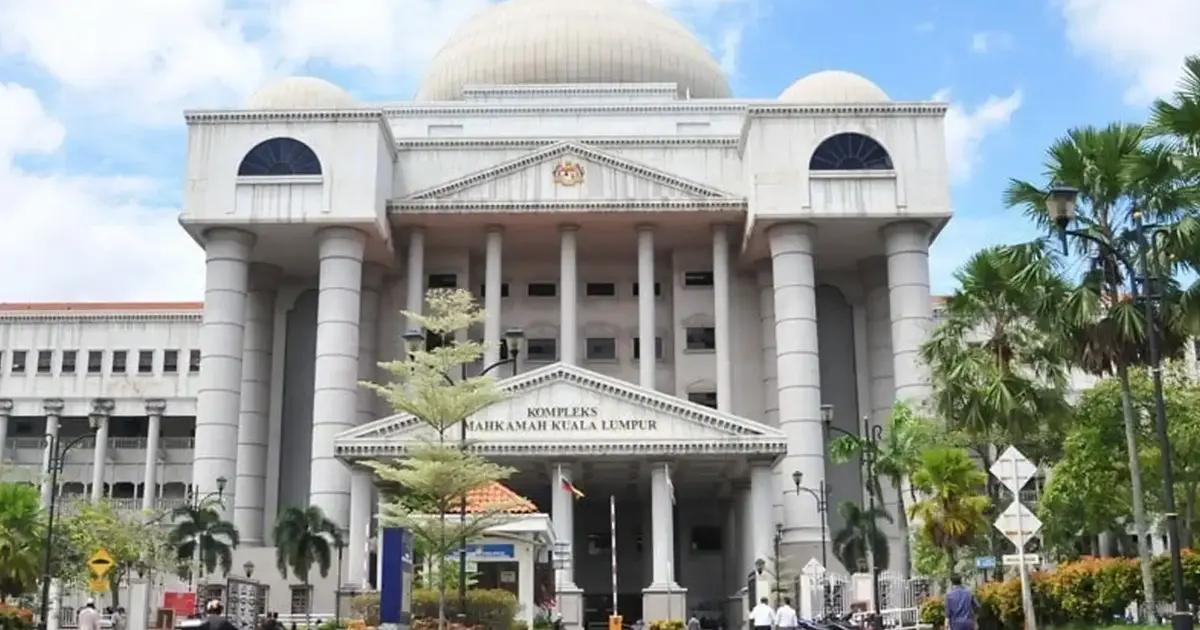
A Malaysian High Court has clarified that minor procedural delays in trademark dispute proceedings do not automatically torpedo an application, potentially offering relief to businesses navigating intellectual property registration challenges. The ruling hinges on a pivotal distinction in how courts interpret procedural requirements: some rules are mandatory and must be followed precisely, while others are merely directory—serving as guidance but not absolute conditions. This judgment carries significant implications for trademark applicants and respondents alike, as it introduces flexibility into what many assumed were rigid timelines.
The case centered on the timing requirement for serving a counterstatement in a trademark opposition proceeding. Trademark law typically establishes specific deadlines for parties to respond to challenges against their applications. In this instance, the respondent had missed serving their counterstatement within the required "same time" frame by approximately two days. Rather than automatically dismissing the application or striking out the counterstatement, the High Court examined whether this timing requirement constituted a strict, non-negotiable rule or a procedural guideline that could accommodate minor deviations.
The judge's reasoning reflects a more pragmatic interpretation of procedural law, one that has become increasingly common in Commonwealth jurisdictions. The distinction between mandatory and directory provisions stems from the fundamental principle that the courts should be reluctant to allow technical breaches to derail substantive justice. If every procedural deviation resulted in automatic dismissal, parties could exploit technicalities to achieve outcomes unrelated to the merits of their cases. This approach protects the substance of intellectual property disputes from being decided on procedural grounds alone.
For Malaysian businesses and trademark applicants, this ruling reduces legal risk and provides breathing room in contentious trademark matters. Many small and medium enterprises struggle with administrative compliance, particularly when managing multiple intellectual property registrations across different jurisdictions. A judgment that penalizes minor delays less severely encourages entrepreneurs to focus resources on the actual merits of their trademark applications rather than becoming entangled in procedural minutiae. However, this does not mean applicants should disregard deadlines; the ruling simply indicates that courts possess discretion in assessing whether minor breaches warrant severe consequences.
The decision also reflects broader developments in Southeast Asian intellectual property jurisprudence. Countries across the region are increasingly aligning their trademark procedures with international best practices, emphasizing efficiency and fairness. Thailand, Singapore, and Indonesia have similarly adopted more flexible approaches to procedural requirements in IP matters, recognizing that rigid adherence to timelines can sometimes frustrate the underlying purpose of intellectual property law: protecting legitimate rights and preventing unjust enrichment through deception.
Trademark respondents—typically manufacturers, distributors, or service providers challenging applications they believe infringe existing rights—stand to benefit from greater procedural latitude. These respondents often include smaller businesses defending against large-scale trademark applications that might dilute or confuse their established marks. The High Court's interpretation acknowledges that substantive disputes over trademark rights should not collapse due to administrative oversights, particularly when both parties have engaged meaningfully with the proceedings.
Regulatory bodies responsible for trademark administration, such as Intellectual Property Corporation of Malaysia (MyIPO), must now consider how this ruling affects their internal procedures and guidance to applicants. While courts possess discretion to overlook directory breaches, a clearer articulation of which provisions are strictly mandatory versus merely procedural would benefit the entire system. MyIPO's administrative guidelines may need updating to reflect this judicial interpretation, ensuring that applicants receive consistent and predictable guidance.
The ruling also serves as a reminder that Malaysian courts will increasingly scrutinize the distinction between form and substance in intellectual property disputes. Applicants who miss deadlines cannot assume automatic forgiveness, as courts will still evaluate whether the breach causes genuine prejudice to the opposing party or undermines the fairness of proceedings. A two-day delay might be excused, but a two-month delay might not receive the same treatment. The test revolves around whether the delay materially affects the opposing party's ability to mount a fair challenge or participate meaningfully in the process.
For trademark practitioners in Malaysia, this judgment underscores the importance of understanding the reasoning behind procedural rules rather than simply observing them rote. Lawyers advising clients on trademark applications or oppositions should now be equipped to argue that minor delays are remediable when they do not prejudice the substance of the case. This creates opportunities for strategic advocacy while simultaneously raising the bar for quality legal representation, as practitioners must demonstrate how procedural breaches relate to substantive prejudice.
The broader context of trademark litigation in Malaysia involves increasing competition and globalization, with applications often concerning marks that operate across multiple markets and jurisdictions. Procedural flexibility in one jurisdiction may incentivize applicants to proceed with more confidence, knowing that minor administrative mistakes will not result in forfeiture of valuable intellectual property rights. Conversely, respondents challenging applications must still meet deadlines seriously and present compelling substantive arguments, as the court's leniency on procedure does not extend to weakness on the merits.
This judgment aligns with international trends favoring proportionality in intellectual property enforcement. The World Intellectual Property Organization and regional IP organizations increasingly advocate for balanced systems that protect legitimate rights without imposing disproportionate burdens on users. Malaysia's High Court decision reflects this philosophy, suggesting the judiciary's willingness to modernize how procedural justice operates within the intellectual property framework.

