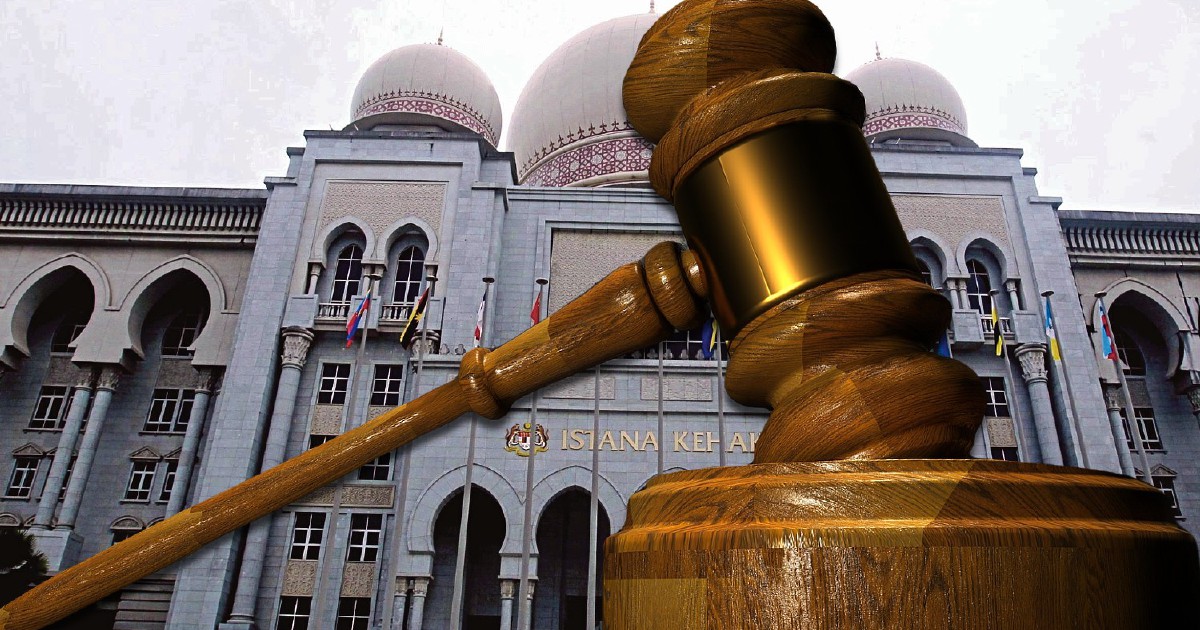
Kuala Lumpur's High Court has scheduled a critical hearing for September 21 to address foundational legal questions that could shape the trajectory of a civil suit brought against Prime Minister Datuk Seri Anwar Ibrahim by his former research aide, Muhammed Yusoff Rawther. The hearing will determine whether these preliminary matters warrant resolution before the substantive trial commences, a procedural decision that frequently proves consequential in complex civil litigation.
Preliminary issues in civil cases encompass a range of technical and substantive questions that, if resolved favorably for the defendant, may substantially narrow or even eliminate claims before evidence is heard by the trial judge. Such matters typically include questions of jurisdiction, the proper interpretation of legal provisions, the sufficiency of pleadings, or whether claims are barred by statutory limitations or other legal defences. The outcome of September 21's hearing will likely indicate whether the case can proceed directly to trial or whether the court views certain foundational questions as requiring separate determination.
The civil action follows allegations of sexual assault levelled by Rawther, who previously served as a research assistant within Anwar's office. Such cases involving public figures attract considerable scrutiny both domestically and internationally, particularly when the plaintiff is a former staff member of a sitting prime minister. The nature of the preliminary issues remains to be clarified, though they may address matters ranging from evidentiary admissibility to the legal framework governing claims of this nature.
Anwar's position as Prime Minister adds layers of procedural and political complexity to the proceedings. Questions of immunity, the proper venue for such litigation, and the application of various legal protections potentially available to sitting officeholders are matters courts must consider carefully. Malaysia's legal framework contains several provisions that may be relevant to claims brought against holders of high office, and the September 21 hearing may require the court to clarify how these provisions apply in civil contexts involving sexual assault allegations.
The decision to bifurcate proceedings—determining preliminary issues separately from the main trial—can significantly affect both parties' litigation strategies and timelines. Should the court rule that preliminary matters warrant separate resolution, the case could extend considerably beyond a single trial date. Conversely, if the judge determines that substantive evidence must be heard to resolve these questions, the parties may move more rapidly toward comprehensive trial proceedings where all issues are addressed simultaneously.
For Malaysian legal observers, this case exemplifies the ongoing tension between individual rights and the protection of high office. Courts must balance the principle that no person stands above the law against institutional considerations regarding the functioning of government. The preliminary hearing will reveal how the judiciary navigates these competing interests in contemporary Malaysia's legal landscape.
The civil suit represents one dimension of a broader scrutiny surrounding Anwar and alleged historical conduct. In Malaysia's highly charged political environment, civil litigation involving prominent figures often intersects with public discourse and political calculations. However, the High Court's focus on preliminary legal issues suggests a determination to proceed according to established procedural frameworks rather than allowing extraneous considerations to influence the case's trajectory.
Rawther's decision to pursue civil rather than criminal remedies reflects the different evidentiary burdens and outcomes available through each avenue. Civil suits operate under the balance of probabilities standard, whereas criminal convictions require proof beyond reasonable doubt. The civil context allows for different remedies, primarily monetary damages, though the reputational implications for all parties involved remain substantial regardless of the legal forum.
The September 21 hearing will also establish whether the court believes the case raises novel legal questions warranting careful preliminary analysis or whether existing legal precedent sufficiently addresses the issues at hand. Either conclusion will provide guidance to practitioners and signal the court's expectations regarding the substantive trial to follow. Malaysian courts have increasingly recognized the importance of rigorous preliminary procedure in ensuring fair and efficient resolution of complex disputes.
Observers of Malaysian jurisprudence will watch closely how the court balances procedural efficiency against the interests of justice. Preliminary hearings can serve legitimate functions in clarifying legal positions and potentially narrowing disputes, but they can also become vehicles for delay tactics or evidentiary battles that ultimately duplicate efforts undertaken at trial. The High Court's September 21 decision will reflect its philosophy on managing civil litigation in high-profile cases involving public figures.
The broader implications extend beyond the immediate parties. How Malaysian courts handle civil claims against sitting government officials sets precedent for future cases and signals the judiciary's independence from executive pressure. The handling of preliminary procedures in this matter will inform public and professional understanding of the judicial system's capacity to address sensitive questions involving powerful individuals while maintaining procedural integrity.

