Preparations for the Launch Ceremony of National Month and Kibar Jalur Gemilang 2026 have progressed substantially, reaching the 80 per cent mark as Malaysia's key patriotic observance takes final shape this Sunday in Ipoh. The event, jointly honouring National Day and Malaysia Day celebrations under the HKHM2026 banner, will unfold at Dewan Sri Perdana of the Sultan Azlan Shah Health Ministry Training Institute, where organisers are balancing community participation with intimate ceremony protocols.
Faizal Adanan, deputy director of the Information Department's Communication Services and Community Development Division, briefed reporters after inspecting the Ipoh venue that meticulous planning has underpinned every aspect of the gathering. Despite the host venue accommodating only 3,000 attendees, he emphasised that the ceremony's modest physical footprint need not diminish its resonance across Malaysian society. The deliberate scaling down reflects a broader shift in how government celebrates national occasions—prioritising inclusive spirit and broadcast accessibility over grand spectacle, while maintaining the symbolic weight these occasions carry for national cohesion and patriotic sentiment.
The Sunday programme anchors itself around several symbolic components designed to reconnect Malaysians with foundational national values. A Merdeka Patriotic Run, anticipated to draw approximately 2,000 participants from diverse backgrounds, will open proceedings with Communications Ministry secretary-general Datuk Abdul Halim Hamzah providing the official flag-off. This participatory element grounds the celebration in active community engagement rather than passive observation, allowing runners to physically embody the movement and dynamism associated with Malaysia's independence journey.
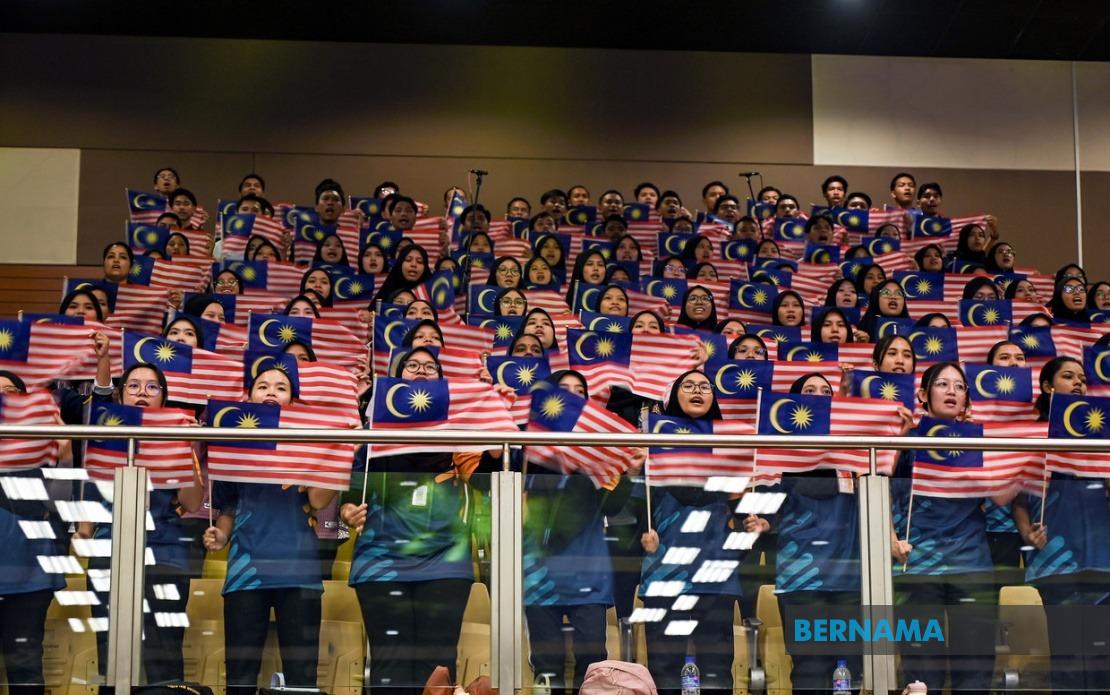
Prime Minister Datuk Seri Anwar Ibrahim will officiate the main ceremony, lending executive authority to proceedings while signalling government commitment to these annual commemorations. His presence underscores how National Day observances remain central to Malaysia's political calendar and collective identity formation, particularly as the nation navigates contemporary challenges to social cohesion and national unity. The ceremony itself will feature a patriotic choir performance by ILKKM SAS trainees—the same ensemble that previously captured public attention through viral social media moments—suggesting how traditional patriotic expression increasingly intersects with digital culture and youth engagement.
A notably symbolic element awaits restoration on Sunday: security forces will conduct a Jalur Gemilang flag-raising ceremony following a two-year absence from the formal programme schedule. This reinstatement carries weight beyond ceremonial convention, representing a deliberate reassertion of national symbols and the security forces' role in national life after the hiatus period. Combined with the launch of the HKHM2026 theme song by a local artist and exhibitions from participating government agencies, the ceremony constructs a layered patriotic narrative blending heritage observance with contemporary cultural expression.
Recognising the closed-door nature of the venue, organisers have engineered extensive broadcast reach to extend participation across Malaysia's digital landscape. The 10 am Sunday transmission will stream live simultaneously across social media channels operated by Radio Televisyen Malaysia, Bernama, the Communications Ministry, the Information Department, and through the Merdeka360 Facebook Live platform. This multi-channel distribution strategy reflects modern understanding that national ceremonies derive legitimacy and effectiveness not merely from physical attendance but from scaled digital witnessing, enabling millions of Malaysians to experience the event in real time regardless of geographic location or accessibility constraints.
The Ipoh ceremony functions as the formal launch point for broader HKHM2026 initiatives that will culminate in the National Day celebration itself, scheduled for August 31 at Dataran Putrajaya. Communications Minister Datuk Seri Fahmi Fadzil has framed the August celebration as consciously modest yet vibrant, suggesting a deliberate aesthetic choice—rejecting perceived excess while maintaining visual appeal and participatory energy. This consistent emphasis on measured celebration reflects post-pandemic recalibration of how Malaysia stages national observances, balancing fiscal prudence with the psychological and social importance of visible national commemoration.
For Malaysian observers, the HKHM2026 preparations illustrate how national identity expression adapts to contemporary conditions. The emphasis on multi-racial and multi-religious participation, the integration of digital platforms, the prominence given to youth involvement through trainee performers, and the participatory run format all signal evolution in how Malaysia engages its diverse populace in annual patriotic renewal. Rather than top-down ceremonialism, the approach invites active participation—running, viewing, sharing—that distributes agency across society rather than concentrating it within formal structures.
The timing of these preparations also reflects Malaysia's broader national calendar rhythm. The June-August period encompasses both the International Observation of Democracy Day and the crucial National Day-Malaysia Day corridor, creating an extended season for civic reflection and national stocktaking. How Malaysia executes these ceremonies, even on modest scale, sends signals internally and externally about national priorities, social cohesion commitment, and the continuing relevance of independence-era symbols and narratives in contemporary multiethnic Malaysia.
As Ipoh's preparations accelerate toward Sunday's launch, the event represents more than ceremonial formality. It demonstrates how Malaysia navigates the tension between heritage preservation and contemporary evolution, between inclusive participation and focused execution, and between symbolic spectacle and substantive patriotic engagement. The broadcast strategy particularly highlights recognition that national ceremony efficacy increasingly depends on digital accessibility and social media amplification—modern equivalents of the mass gathering traditions that characterised earlier independence celebrations. Through this Sunday's modest yet purposeful gathering, Malaysia reaffirms its commitment to annual patriotic renewal while experimenting with forms appropriate to digital-age citizenship.

