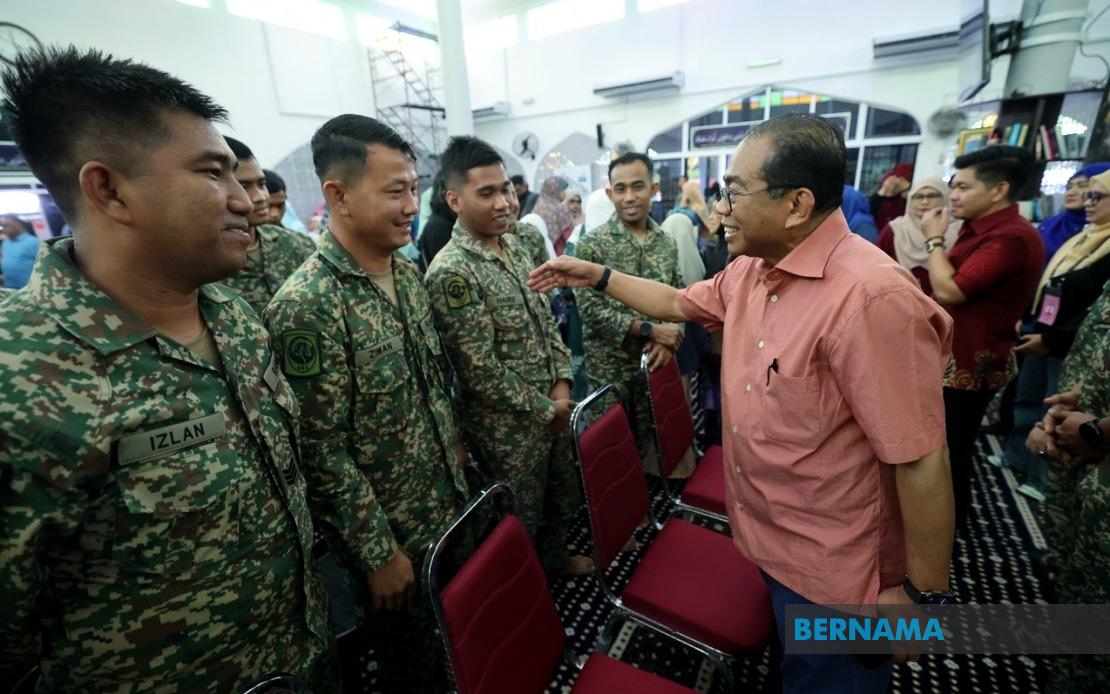
The investigation into a deadly grenade explosion at Hobart Camp in Gurun that claimed two military lives last month is on track for completion by mid-July, Defence Minister Datuk Seri Mohamed Khaled Nordin announced today. Speaking after an event in Kota Tinggi, the minister confirmed that the probe team is in its final stages of compiling findings before forwarding the comprehensive report to the Ministry of Defence for official consideration and subsequent action.
The tragic incident occurred on June 16 when an explosive device detonated during a routine training exercise at approximately 10.57 am. Corporal Norazmi Abu Bakar from the Sixth Battalion, Royal Malay Regiment (RAMD), and Private Siti Khadijah Sungip of the First Squadron, Royal Engineers Regiment (RAJD), both suffered severe injuries in the blast. Emergency personnel transported both soldiers to Sultan Abdul Halim Hospital in Sungai Petani, but they succumbed to their injuries during the journey to the medical facility.
The circumstances surrounding the explosion remain under official examination, with investigators attempting to establish the precise sequence of events and identify contributing factors. Beyond the immediate technical analysis of what went wrong, authorities are examining whether procedural breaches or supervision lapses played a role in allowing the incident to occur during what should have been a controlled, safety-managed operation.
In an indication that systemic concerns extend beyond this single incident, the Defence Ministry has instructed the Malaysian Army to undertake a comprehensive reassessment of its training methodologies and safety protocols. This directive reflects growing anxiety within the military establishment about whether existing safeguards are adequate to protect personnel during inherently high-risk exercises. The minister emphasised that no decisions regarding changes to training procedures will be made until the investigation delivers its full findings and recommendations.
The urgency of this review was underscored by a second serious incident at the identical location just thirteen days later. On June 29, a firearm unexpectedly discharged during a combat enhancement training exercise, injuring two personnel. Sergeant Mohamad Firdaus Che Shaharudin and Corporal Felix Franchis of the Fourth Battalion, Royal Ranger Regiment suffered leg injuries from shrapnel during the 6.15 pm incident. The occurrence of two major accidents at the same facility within a fortnight has raised questions about whether fundamental safety systems may be compromised.
For Malaysian military personnel and their families, these incidents represent a troubling pattern that demands accountability and remediation. Soldiers undertaking training exercises accept certain risks inherent to military operations, but deaths and injuries stemming from preventable accidents or procedural failures strike at the foundation of trust between servicemembers and their command structure. The families of Corporal Norazmi and Private Siti Khadijah are entitled to clarity about what led to the loss of their loved ones and what measures will prevent similar tragedies.
From a broader Southeast Asian perspective, military safety standards are increasingly scrutinised as nations across the region modernise their armed forces and expand training programs. The incidents at Hobart Camp will likely prompt other defence establishments to evaluate their own protocols, particularly given Malaysia's significance as a major military power in the region. How swiftly and comprehensively the investigation addresses these concerns will set a precedent for transparency and accountability within the Malaysian defence establishment.
The mid-July deadline for the investigation report carries practical weight, as the findings will likely inform policy decisions affecting thousands of soldiers. Whether the probe identifies specific equipment failures, inadequate supervision, insufficient safety briefings, or other root causes will determine what corrective measures follow. The Malaysian Army's willingness to acknowledge shortcomings and implement systemic improvements will be closely monitored by military observers and policymakers throughout Southeast Asia.
Defence Minister Mohamed Khaled's commitment to updating the public once the report is submitted signals an intention toward greater transparency, though the actual depth and timeliness of public disclosure remains to be seen. In military contexts, investigations often conclude with findings distributed first to command structures and government ministries before any civilian or media access occurs. The balance between operational security and public accountability will test the government's resolve to be forthcoming about what transpired at Hobart Camp.
For the broader Malaysian military community, these incidents highlight the enduring tension between operational effectiveness and personnel safety. Training exercises necessarily involve risks, yet modern military standards demand that units minimise preventable hazards through rigorous procedures, proper equipment maintenance, thorough supervision, and comprehensive safety culture. The coming investigation report will reveal whether Hobart Camp fell short of these standards and, more importantly, what systemic changes will prevent future tragedies.

