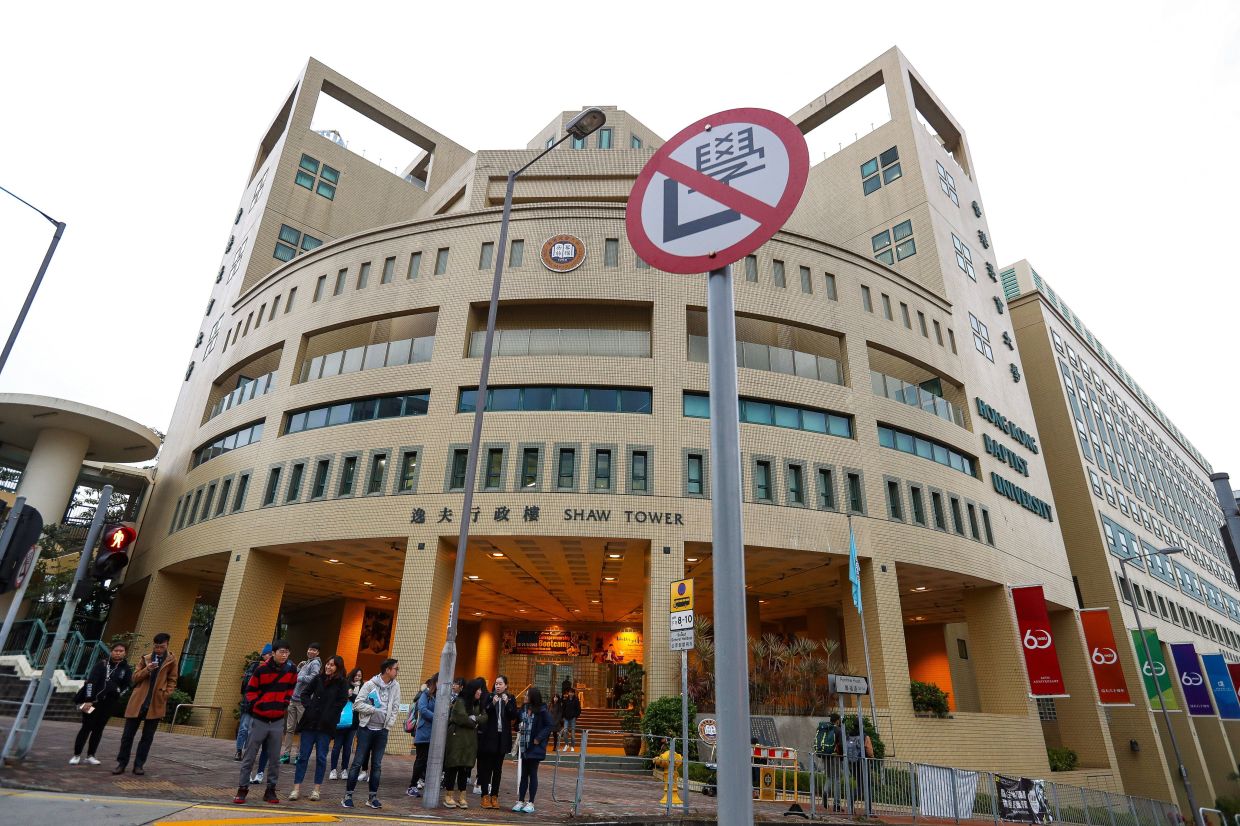
Hong Kong Baptist University is undertaking a comprehensive review of its information technology infrastructure following allegations by a sophisticated ransomware operation that it has gained unauthorized access to the institution's systems and extracted sensitive data. The claims emerged from The Gentlemen, a cybercriminal collective that has gained prominence since mid-2023 for its advanced extortion tactics and global reach across multiple sectors and geographies.
According to cybersecurity monitoring platforms tracking the incident, the purported breach may have compromised approximately 1,900 credentials belonging to university users. The breakdown of affected accounts reveals the extent of the penetration, encompassing roughly 130 staff member accounts, approximately 1,770 general user credentials, and around 260 credentials belonging to third-party contractors and service providers operating within the university's network ecosystem. The scale of the breach highlights vulnerabilities in how educational institutions manage access controls and credential protection across their entire operational infrastructure.
The Gentlemen represents a particularly concerning threat because it does not simply conduct isolated cyberattacks but operates under a sophisticated business model that maximizes harm across networks. Rather than launching attacks independently, the group rents its extortion software and infrastructure to other cybercriminals on a revenue-sharing basis, functioning as a malicious-as-a-service operation. This approach has enabled the group to expand its footprint rapidly across corporate networks, government institutions, and educational facilities worldwide, making it a priority concern for cybersecurity agencies and institutional leaders.
On Tuesday evening, Baptist University acknowledged the allegations in an official statement, confirming that institution leadership had identified a webpage claiming unauthorized access to its IT systems. The university committed to conducting a thorough examination of its technological security posture and reviewing what personal information may have been compromised. Officials indicated that the institution would implement appropriate remedial measures in accordance with its established protocols for handling information security incidents and would maintain ongoing coordination with regulatory authorities and law enforcement agencies investigating the matter.
The Hong Kong Office of the Privacy Commissioner for Personal Data has taken an active interest in the breach, though it has not yet received formal notification from the university. A spokesman for the privacy authority stated that the office has proactively reached out to Baptist University to gather information about the incident's scope and timeline, signalling that regulatory scrutiny will intensify as the investigation proceeds. This reflects the heightened attention privacy regulators are placing on educational institutions, which often hold sensitive personal information about thousands of students and staff members.
Francis Fong Po-kiu, honorary president of the Hong Kong Information Technology Federation, provided detailed recommendations for the university's incident response strategy. Fong emphasized the critical importance of immediately notifying the privacy watchdog through formal channels, a step that appears not yet to have been completed at the time of his comments. He also stressed the necessity of initiating comprehensive forensic investigations and deep system audits to determine the full extent of the compromise and establish whether the stolen credentials were weaponized to access core university systems or trigger unauthorized data exfiltration beyond the initial breach.
Fong's guidance further recommended that Baptist University implement immediate technical countermeasures including a mandatory campuswide password reset affecting all users whose credentials may have been exposed. He advised the institution to deploy multi-factor authentication across all systems as a foundational security measure to prevent unauthorized access even when credentials are compromised. These steps represent standard post-breach protocols that significantly raise the difficulty and cost of using stolen credentials for further intrusion attempts.
The incident carries particular significance for the Southeast Asian region, where educational institutions face escalating cyberattack pressures similar to those affecting Hong Kong. Universities across the region maintain extensive networks connecting students, faculty, researchers, and administrative staff, often with legacy systems that create security gaps. The Baptist University breach demonstrates how cybercrime syndicates operating across geographic boundaries can target knowledge institutions that may lack the dedicated cybersecurity resources available to commercial enterprises or government agencies.
Fong further urged Baptist University to establish direct communication channels with local regulators and law enforcement, ensuring that investigators have full cooperation and access to forensic evidence. Perhaps most importantly for stakeholder confidence, he advocated for transparent and timely communication to the university community about the investigation's progress and any findings that emerge. This transparency serves dual purposes—it allows affected students and staff to take protective measures and demonstrates institutional accountability during a period when trust in institutional security measures may be undermined.
The Baptist University breach illustrates a broader vulnerability facing educational institutions regionally and globally. As universities increasingly digitize administrative and academic operations, they present attractive targets for sophisticated cybercriminals seeking valuable personal data, financial information, or intellectual property. The incident underscores why educational leaders across Southeast Asia must prioritize cybersecurity infrastructure investment and regular security audits to protect not only institutional operations but the privacy of student and staff populations who depend on these institutions.
The response from both the university and regulatory authorities will likely shape expectations for how similar institutions across the region handle future breaches. The involvement of The Gentlemen, with its professional operational model and international reach, suggests that this incident may be part of a broader targeting campaign affecting multiple institutions simultaneously. Baptist University's experience provides a cautionary example for peer institutions considering their own security postures and incident response preparedness.

