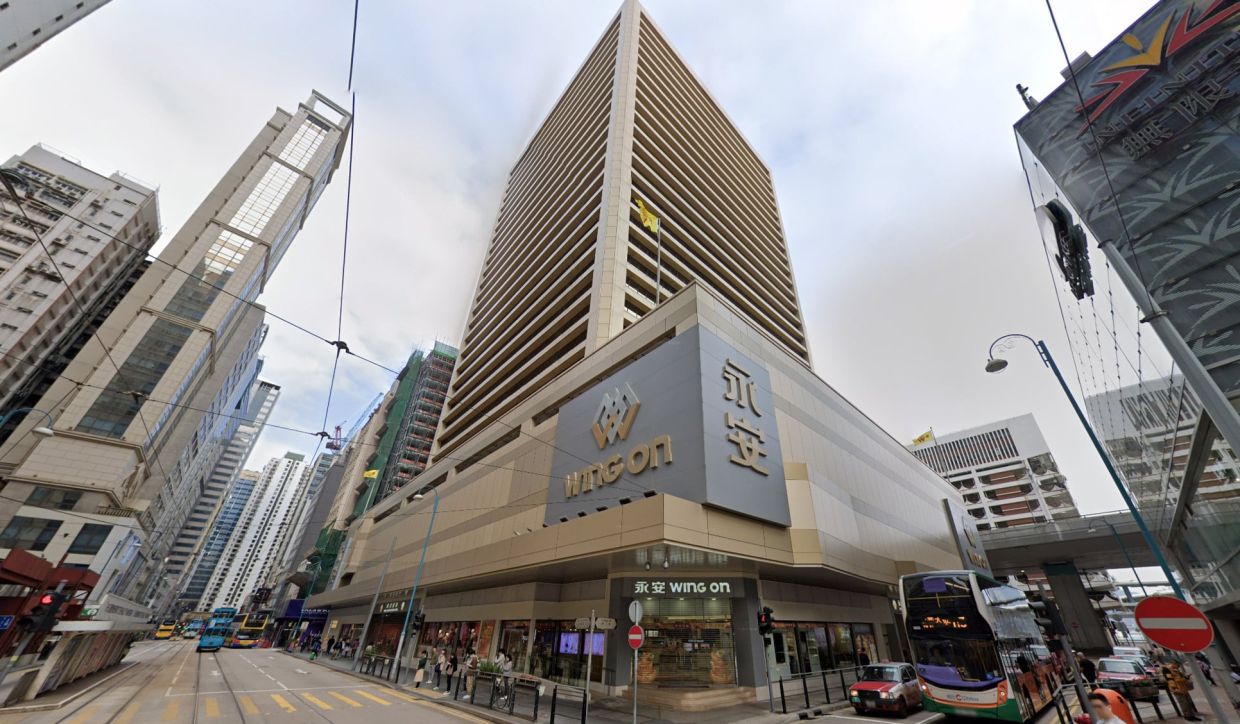
Hong Kong's Customs and Excise Department is actively investigating claims that an elderly woman was subjected to coercive sales practices at a beauty retailer, escalating regulatory scrutiny over questionable tactics within the regional cosmetics industry. The case centres on an 88-year-old customer who allegedly endured a gruelling three-hour shopping experience in April at an Avinichi booth located within Wing On department store in Sheung Wan, during which she was persuaded to purchase HK$100,000 worth of skincare products, beauty devices, and treatment packages. The allegations emerged through a social media post by the woman's daughter, surnamed Ng, who detailed how her mother's credit card was retained and repeatedly swiped without clear consent.
According to Ng's account, her mother's credit card was charged four separate times over the course of the afternoon, accumulating expenses for high-end skincare items, a beauty treatment apparatus, and a package of 24 detoxification sessions. The daughter alleged that when her mother's domestic helper attempted to interrupt the sales process and suggest departure, the salesperson persisted with product pitches. Ng reported that following the transaction, her mother felt mentally depleted and disoriented, describing herself as having been "hypnotised" by the experience. When the family subsequently requested a refund, Avinichi reportedly declined and offered only an exchange arrangement instead, prompting escalation to formal complaints with both the Customs and Excise Department and the Consumer Council.
The Customs and Excise Department confirmed it is treating the matter with urgency, stating in response to enquiries that it remains committed to zero tolerance enforcement against unfair commercial conduct. Officials pledged to pursue "appropriate enforcement action" should investigation findings establish breaches of the Trade Descriptions Ordinance, the primary statute governing consumer protection against deceptive and coercive trading practices in Hong Kong. The ordinance explicitly prohibits harassment, coercion, and misleading sales methods designed to compel consumers into unwanted purchases—precisely the conduct alleged in this incident.
When a journalist from the South China Morning Post visited the Sheung Wan location on Saturday, staff members claimed ignorance of the allegations. After a brief telephone consultation with management, an employee requested the reporter's contact details and indicated that a company spokesperson would respond subsequently. However, the representative declined to facilitate direct communication with the manager, preventing immediate verification of the outlet's account. By evening, no formal response from the company had materialised, raising questions about corporate accountability and transparency in addressing consumer grievances.
Avinichi operates as one brand within a broader retail portfolio managed by Apex Retail, a multi-brand operator with locations spanning Hong Kong and Singapore. Apex Retail oversees approximately a dozen outlets across Hong Kong trading under various brand names including Earth, Napara, Privilege Boutique, Dualsonic, and Lionesse. The company announced the launch of two additional Avinichi "experience boutiques" in 2025, signalling continued expansion despite mounting complaints. Notably, Avinichi's trademark is held by United States-based Exclusive Label, and the company's website carries a disclaimer stating that individual retail locations are independently owned and managed—a structural arrangement that may complicate accountability and brand-level responsibility for local conduct.
This incident represents the latest in an expanding pattern of complaints targeting Hong Kong's beauty product distribution sector, particularly regarding high-pressure sales methodologies directed at vulnerable demographics. The timing is particularly significant given heightened regulatory activity elsewhere in the market. Authorities previously arrested two managers at Hong Kong operations of British beauty chain Opatra London following investigations into alleged coercive sales practices, signalling official determination to address systematic abuse within the industry. Separately, The Mineral Boutique, operating under Beauty Express Group, has attracted scrutiny for comparable allegations of aggressive and misleading sales conduct toward customers.
Legal professionals consulted by the South China Morning Post previously identified that such practices—encompassing credit card retention without explicit authorisation, unwanted physical contact, and sustained pressure to purchase expensive packages—potentially violate multiple provisions of Hong Kong's Trade Descriptions Ordinance. Beyond financial harm, these cases raise serious concerns about the psychological exploitation of elderly individuals and the erosion of consumer confidence in legitimate retail establishments. The pattern suggests systemic deficiencies in industry self-regulation and employee training protocols across multiple beauty retailers operating in the territory.
For Malaysian readers and broader Southeast Asian observers, these Hong Kong developments carry important implications. The beauty and wellness product sector operates across multiple jurisdictions in the region with comparable regulatory structures and consumer vulnerabilities. The aggressive sales methodologies documented in Hong Kong—particularly targeting elderly customers and employing psychological manipulation—present cautionary examples of practices that may migrate to or already exist in Malaysian, Singaporean, and other regional markets. Malaysian authorities and consumer protection agencies should heighten vigilance regarding similar complaint patterns, particularly within unregulated or loosely supervised beauty boutique operations that target affluent seniors.
The regulatory response emerging in Hong Kong offers a template for enhanced protection mechanisms. The Customs and Excise Department's commitment to enforcement, combined with Consumer Council involvement and potential Trade Descriptions Ordinance prosecutions, demonstrates the importance of coordinated multi-agency approaches to combating systematic consumer abuse. Malaysian regulators—including the Ministry of Domestic Trade and Cost of Living, the Federation of Malaysian Consumers Association, and local authorities—might consider analogous coordination frameworks to detect and prosecute comparable misconduct domestically. Furthermore, corporate accountability mechanisms warrant strengthening, particularly regarding brand responsibility for independently operated franchises or licensed retail partnerships.
The broader context reveals how premium-positioned beauty retailers, operating at the intersection of legitimate commerce and predatory sales practices, exploit information asymmetries and emotional vulnerabilities to generate extraordinary profit margins. Elderly consumers, often less digitally connected and potentially more trusting of in-person retail environments, face disproportionate risk. The psychological manipulation tactics allegedly employed—creating artificial time pressure, isolating customers from support networks, and employing hypnotic sales rhetoric—operate below the threshold of obvious illegality but clearly exceed ethical business standards. Regulatory evolution must address these nuanced harms through clearer statutory protections and more aggressive enforcement approaches.
Moving forward, the Hong Kong investigation outcomes will likely influence regulatory approaches across the region. Should prosecutions succeed and penalties prove substantial, competitive pressure will encourage improved compliance within multinational beauty retail operations. Consumer awareness campaigns, combined with platform policies restricting misleading beauty product advertising, may provide additional protective layers. However, sustained vigilance remains essential. The beauty sector's rapid growth, coupled with the marketing allure of premium anti-ageing and wellness products, creates persistent incentives for boundary-pushing sales tactics. Only through consistent regulatory pressure, corporate accountability, and consumer education can territories across Southeast Asia protect vulnerable populations from systematic exploitation whilst maintaining legitimate market competition.

