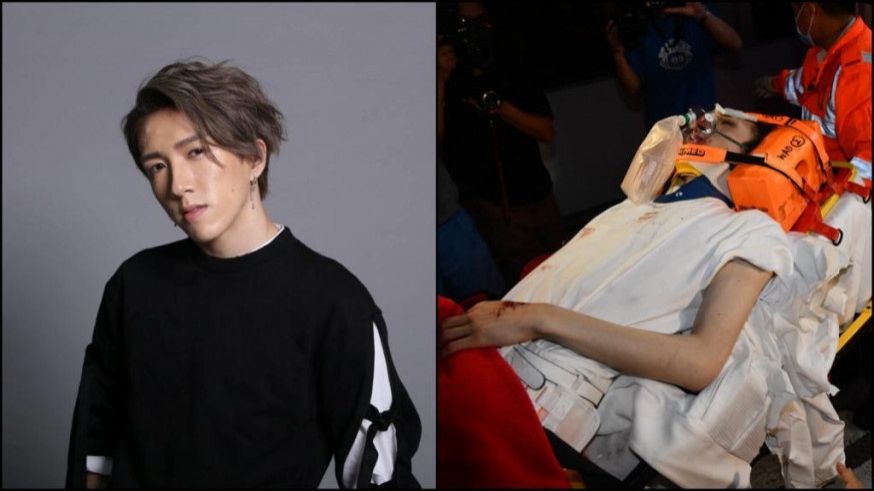
A Hong Kong dancer left permanently paralysed after a catastrophic accident at a Cantopop concert has been awarded HK$6.29 million (approximately RM3.32 million) in compensation by the District Court. Mo Li Kai-yin, 31, suffered life-altering injuries when a four-by-four-metre LED display panel detached from the ceiling and fell on him during the fourth performance of Mirror's scheduled 12-concert residency at Hong Kong Coliseum on July 28, 2022. The court's June 15 ruling represents one of the most significant entertainment industry liability settlements in the region and underscores the critical importance of venue safety protocols during high-production concerts.
The judicial decision, reported by The Standard, awarded Mo the maximum available compensation across multiple categories reflecting the permanence of his condition. These encompassed recognition of his total and permanent incapacity to work, comprehensive lifetime caregiving costs, ongoing medical and rehabilitation expenses, and periodic payments structured to support his long-term needs. The court's language was unsparing in describing the severity of his condition, characterising it as "catastrophic disabilities" that have rendered him incapable of independent living. The judgment acknowledged that Mo would require round-the-clock assistance from three dedicated caregivers for the remainder of his life, transforming what was a promising performing career into a profound personal tragedy.
Mo's injuries resulted in cervical spine dislocation, leaving him paralysed from the neck downward. He underwent emergency surgery immediately following the accident and spent an extended period at Queen Elizabeth Hospital receiving intensive treatment. Subsequently, he was transferred to private medical facilities throughout Hong Kong and internationally, where he has continued undergoing surgical interventions and structured rehabilitation programmes. The ongoing treatment reflects the complexity of spinal cord injuries and the necessity for sustained medical intervention to manage complications and explore recovery possibilities.
His employer, Studiodanz, bore legal responsibility for the accident. The company failed to participate in the trial proceedings yet was ordered to compensate Mo fully, alongside paying interest accruals and bearing all associated legal costs. Prior to this civil judgment, Studiodanz had faced regulatory sanctions, including a HK$132,000 fine imposed for breaching occupational safety regulations. These penalties suggest the accident resulted from systemic safety failures rather than isolated negligence, raising broader questions about safety standards across Hong Kong's entertainment venues.
Before transitioning to professional dance, Mo developed his passion for performance whilst studying at university between 2015 and 2019. He committed fully to dance as a career beginning in 2019, subsequently performing at major concerts, television productions, commercial advertisements and music videos. He simultaneously taught dance across four separate studios, including Studiodanz itself, balancing instruction responsibilities with his own performance engagements. His trajectory exemplified the lifestyle of contemporary Hong Kong performers who juggle multiple revenue streams while pursuing artistic development.
The accident devastated not only Mo but his entire family structure. His father, Reverend Derek Li Shing-lam, left his pastoral position in Canada to become Mo's full-time caregiver, abandoning his own career to provide daily assistance. The emotional and practical toll of serving as a primary caregiver for an adult child with catastrophic spinal injuries ultimately proved unsustainable; Reverend Li passed away on April 25, leaving Mo requiring external professional care arrangements previously supplemented by familial support. This loss exemplifies how such accidents extend their destructive reach across family units.
Despite the severity of his paralysis, Mo has pursued aggressive rehabilitation incorporating cutting-edge medical technologies. He has undergone treatment utilising regenerative medicine approaches and has had an implantable microstimulator device installed to potentially stimulate nerve function and facilitate recovery. These interventions, though experimental and uncertain in their long-term efficacy, represent the emerging frontier of spinal cord injury treatment. Encouragingly, Mo has regained some controlled movement in his right arm and has recovered sensation in bladder and bowel functions—gains that, whilst limited, demonstrate neurological plasticity and offer modest hope for continued incremental improvement.
Visible markers of Mo's ongoing rehabilitation efforts were documented in March when video posted to his Instagram account depicted him operating an electric wheelchair using his restored right-hand function. Such documentation serves dual purposes: it provides the broader public with tangible evidence of his resilience whilst simultaneously maintaining visibility around accessibility innovations and the extended recovery journey following severe spinal injury. The video resonated with audiences throughout Hong Kong and Southeast Asia, transforming Mo's personal tragedy into a broader conversation about disability, rehabilitation technology, and the human capacity for adaptation.
This case carries significant implications for entertainment venues and production companies across Southeast Asia. The judgment establishes that inadequate safety infrastructure during high-risk concert productions can result in substantial financial liability extending far beyond immediate medical costs. Venue operators in Malaysia, Singapore, and other regional entertainment hubs should recognise this ruling as a cautionary precedent mandating rigorous safety audits, particularly for installations involving heavy suspended equipment. The Mirror concert accident represents a worst-case scenario that venues must actively work to prevent through comprehensive safety protocols, regular equipment inspections, and trained personnel managing load-bearing systems.
Moreover, the compensation quantum sends a powerful message about the courts' willingness to award damages reflecting genuine lifetime care requirements rather than capping awards at arbitrary levels. For disabled individuals throughout the region seeking fair compensation for work-related injuries or negligence, Mo's case provides both hope and a legal framework validating claims for comprehensive lifetime support. The judgment recognises that permanent disability generates expenses extending decades beyond the accident itself, requiring structured settlements that anticipate medical inflation, technological advances in assistive devices, and the genuine costs of employing qualified caregivers.
The Mirror concert accident remains a sobering reminder of entertainment's inherent risks and the necessity for institutional responsibility. While Mo's compensation provides material resources for his ongoing care, no amount of money can restore his previous capabilities or return him to the career he was building. His determination to pursue rehabilitation despite profound limitations, documented through his social media presence and continued engagement with advanced medical treatments, demonstrates remarkable personal resilience. Yet his case ultimately underscores an uncomfortable truth: even comprehensive compensation cannot fully remedy the life-altering consequences of preventable accidents in the entertainment industry.