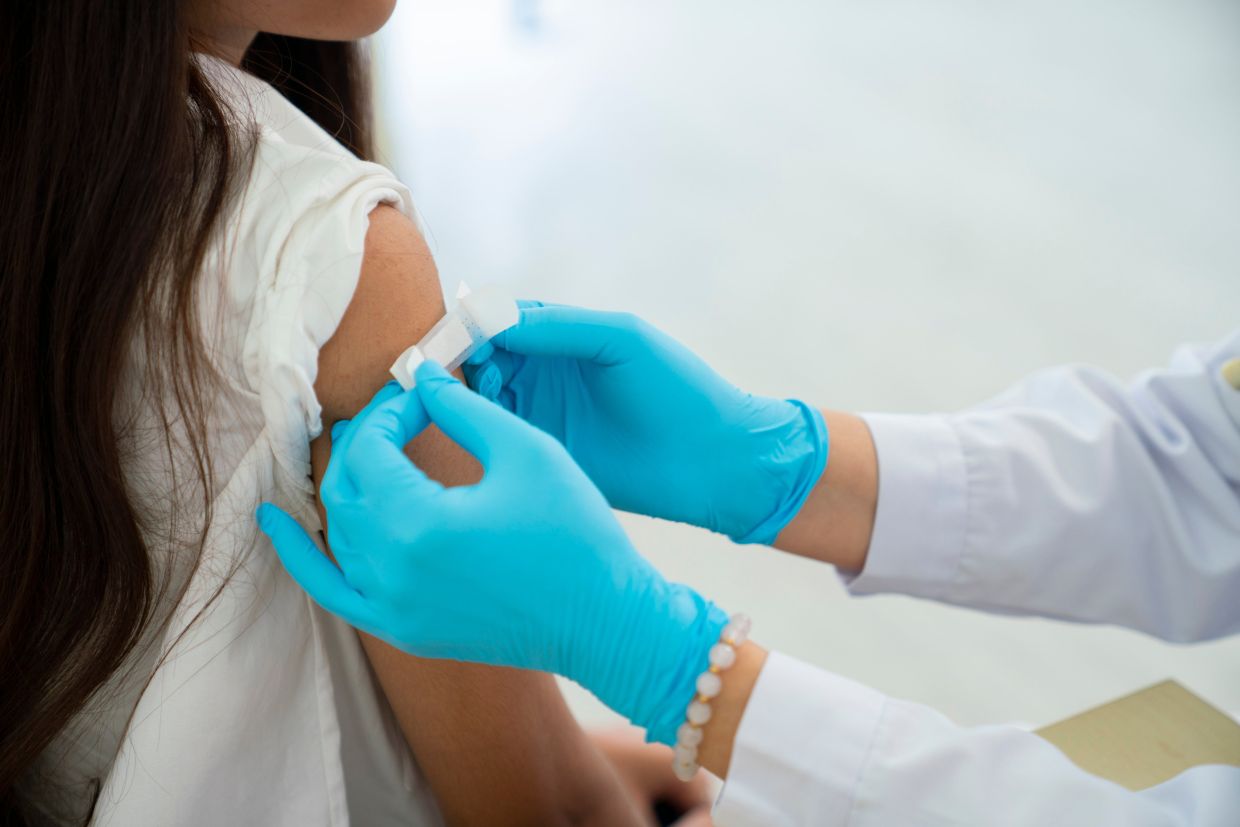
Hong Kong's health authorities have firmly defended the city's childhood vaccination programme, insisting that immunisation schedules must remain anchored in rigorous scientific evidence rather than arbitrary changes. The Centre for Health Protection issued its statement on Tuesday as the United States moved to significantly curtail its vaccination recommendations, creating a stark contrast in public health approaches between two major economies and raising questions about the global consensus on childhood immunisation that has prevailed for decades.
The philosophical divide between the two jurisdictions reflects deeper tensions over how governments should balance parental choice with public health protection. Hong Kong's position is unequivocal: vaccination schedules cannot be modified without robust medical research and scientific data to justify such changes. The Centre for Health Protection warned that altering established immunisation programmes without solid evidence could expose children to "significant and irreversible public health risks," language that signals the gravity with which local authorities view any deviation from evidence-based protocols.
Under Hong Kong's Childhood Immunisation Programme, children from infancy through Primary Six receive vaccinations and boosters protecting against eleven infectious diseases spanning tuberculosis, poliomyelitis, hepatitis B, diphtheria, pertussis, tetanus, pneumococcal infection, chickenpox, measles, mumps and rubella. The programme additionally offers human papillomavirus vaccinations to eligible primary school girls as a preventive measure against cervical cancer. This comprehensive approach reflects decades of epidemiological research demonstrating how widespread immunisation creates community-wide protection, particularly for infants and immunocompromised individuals who cannot receive certain vaccines themselves.
The contrast with United States policy has become sharply defined following President Donald Trump's Monday executive order, which recommends several vaccines only for "certain high-risk groups or populations." The order specifically targets vaccinations against respiratory syncytial virus monoclonal antibodies, hepatitis A and B, meningococcal B, meningococcal ACWY, and dengue for restricted distribution. More provocatively, the executive order instructs the federal government to challenge state-level laws mandating school vaccinations, framing such requirements as violations of parental authority, religious freedom, disability accommodations and equal protection under law. This legal assault on vaccination mandates represents a fundamental challenge to public health infrastructure that has functioned for generations.
Hong Kong's insistence on maintaining comprehensive, timely vaccination reflects the city's track record of success in disease prevention. Centre controller Dr Edwin Tsui Lok-kin emphasised that sustained high immunisation coverage, enabled by parental trust and professional support, has kept childhood infectious disease incidence at exceptionally low levels throughout the territory. This epidemiological achievement did not occur by accident but through consistent, evidence-based policy implementation and community cooperation. When vaccination rates decline, even modestly, disease outbreaks inevitably follow—a lesson documented repeatedly across global public health literature.
The local context matters considerably for Malaysian and Southeast Asian observers. Many regional countries have adopted vaccination schedules broadly aligned with Hong Kong's comprehensive approach, recognising that infectious diseases do not respect borders. Dengue, for instance, poses particular risk across tropical Southeast Asia, and hepatitis B remains endemic in parts of the region. A shift toward restricting immunisations to high-risk groups creates vulnerability for entire populations, particularly in densely populated urban areas where disease transmission accelerates rapidly. The US policy change thus carries implications beyond American borders, potentially influencing global vaccine procurement, research priorities and international health diplomacy.
Delaying vaccinations, as the Centre for Health Protection stressed, reduces protection windows during which children remain susceptible to preventable diseases. The timing of immunisations reflects hard-won knowledge about when children's immune systems can mount effective responses and when they face greatest vulnerability. Infants under six months, for example, receive virtually no protection from measles vaccination because maternal antibodies interfere with vaccine efficacy; yet this is precisely when measles poses greatest risk of severe complications. Arbitrary schedule changes introduce dangerous gaps in protection.
Combination vaccines merit particular attention in this debate, as Hong Kong authorities have highlighted their dual advantages of safety and convenience. MMRV vaccines, protecting against measles, mumps, rubella and varicella, have undergone extensive safety monitoring across multiple continents and consistently demonstrate both efficacy and tolerability. By consolidating multiple antigens into single injections, combination vaccines reduce healthcare provider visits, lower costs, minimise missed doses and decrease parental vaccine hesitancy driven by injection frequency. These practical benefits translate directly into higher immunisation coverage and stronger disease prevention.
The Hong Kong government's defence of its vaccination programme also addresses a specific local controversy. Last month, parents of a child placed under Social Welfare Department guardianship applied for a High Court writ of habeas corpus challenging the department's decision to vaccinate the boy, Danny, against their wishes. The parents characterised immunisation as "medical intervention" contrary to their values, framing the matter as one of parental authority. This case encapsulates the broader tension between individual choice and collective benefit that pervades contemporary vaccination debates. Hong Kong's legal and administrative systems must navigate these tensions while maintaining public health standards that protect the most vulnerable.
The Asian context demands particular sensitivity to this balance. Across Southeast Asia, vaccine confidence varies significantly based on historical experiences, religious perspectives, education levels and trust in government institutions. Malaysia, for instance, has long maintained relatively high vaccination coverage through sustained public health campaigns and community engagement. Yet regional authorities must grapple with how US policy shifts might influence domestic vaccine hesitancy movements, particularly among populations with strong ties to American media and influencers. The messaging from Washington carries outsized influence on global health perceptions, regardless of scientific merit.
Hong Kong's firm stance appears calculated to reassure both domestic audiences and regional neighbours of the city's commitment to evidence-based public health during a period of global uncertainty. By explicitly rejecting arbitrary schedule changes and emphasising scientific foundations, the Centre for Health Protection positions the territory as a stable, rational actor in health governance—an important consideration for investor confidence and regional cooperation. As vaccine-preventable diseases remain endemic across much of Asia, maintaining immunisation coverage remains essential infrastructure.
The divergence between Hong Kong and the United States reflects fundamentally different philosophies about government responsibility, individual liberty and public health. While the US approach privileges parental autonomy and restricts government mandates, Hong Kong's model prioritises collective protection through sustained, comprehensive immunisation. For Malaysian policymakers and health professionals monitoring these developments, the evidence overwhelmingly supports Hong Kong's evidence-based approach. Maintaining childhood vaccination programmes at high coverage levels represents one of public health's greatest achievements, preventing millions of deaths and disabilities annually. Political fashions may shift, but the scientific foundations supporting vaccination remain immutable.

