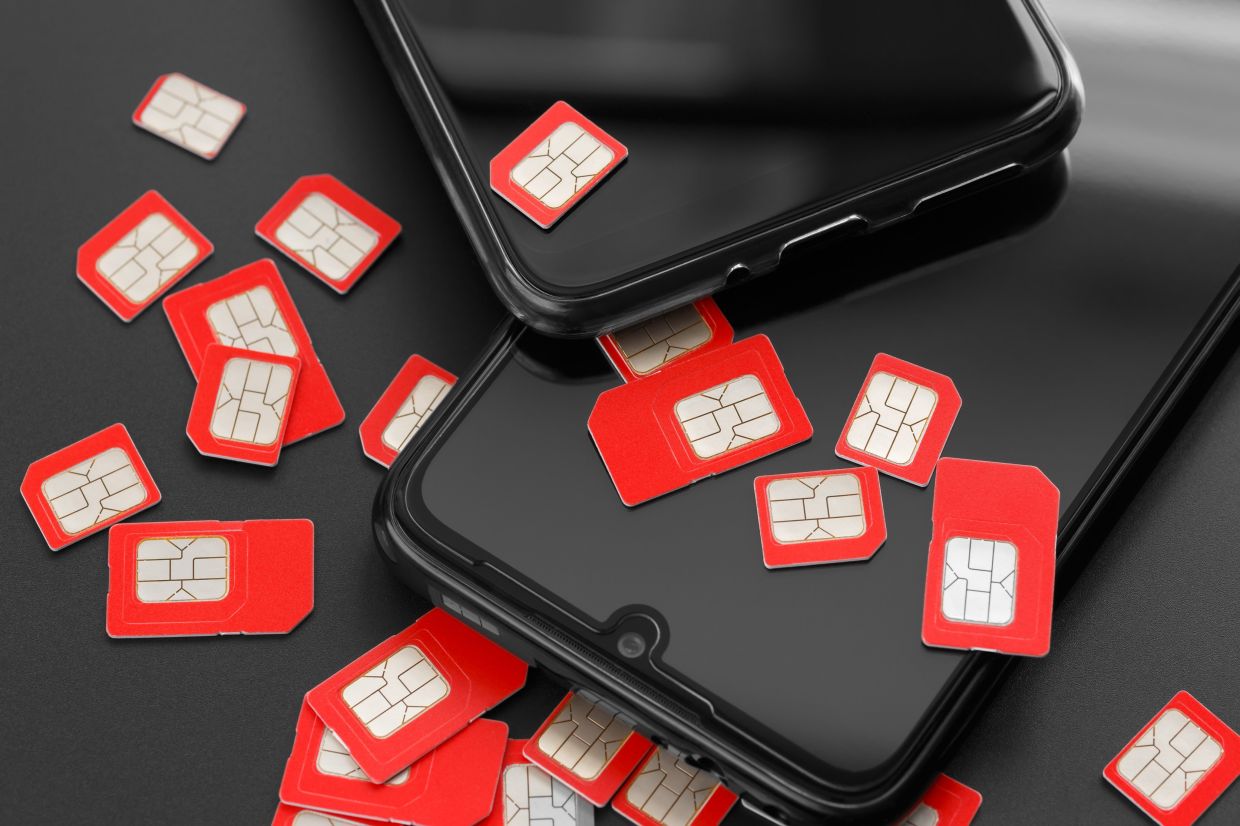
Hong Kong police have apprehended two men—aged 31 and 44—suspected of orchestrating an elaborate phishing scheme that extracted more than HK$500,000 from unsuspecting victims across the territory. Arrested last Thursday on conspiracy to defraud charges, the pair operated what investigators describe as a sophisticated fraud hub based in a hotel room, employing bulk SIM card purchases and advanced telecommunications equipment to amplify their reach and evade detection.
The scale of the operation underscores how organized cybercriminals have adapted their tactics to exploit vulnerabilities in communication infrastructure. Police revealed that the suspects had accumulated 110 SIM cards through real-name registration using identities obtained from multiple sources, transforming the hotel room into a command centre equipped with a modem pool—specialised hardware enabling simultaneous control of numerous mobile phone lines. This technological setup allowed the perpetrators to dispatch thousands of fraudulent messages while maintaining a veneer of legitimacy, each message appearing to originate from different numbers.
The scams themselves followed predictable but effective social engineering patterns designed to bypass victims' initial scepticism. Fraudsters impersonated delivery company representatives, claiming recipients had parcels awaiting collection, or posed as agents from digital payment platforms alleging victims had inadvertently enrolled in insurance schemes requiring immediate cancellation fees. Once victims engaged with these initial messages and contacted the provided numbers, sophisticated operatives guided them through a carefully choreographed process of financial extraction, convincing them to transfer money to designated bank accounts through various pretexts that shifted based on the victim's vulnerabilities and responses.
Investigators uncovered more than 2,000 suspected scam messages dispatched from the operation, many of which connected to recently reported fraud cases across Hong Kong. Inspector Kwan Yat-hei of the fraud division's commercial crime bureau noted that forensic analysis of intercepted phone numbers revealed direct links between the seized communications and verified scam complaints, establishing a clear evidentiary trail that associated the hotel-based operation with the broader defrauding activities. This methodical approach to tracing the scheme demonstrates how police increasingly leverage telecommunications data to construct prosecutable cases against organised fraud networks.
The discovery of this operation highlights a persistent vulnerability in Hong Kong's otherwise robust SIM card regulatory framework. Despite mandatory real-name registration requirements mandated since March 2022—which required users to provide identification documentation when acquiring new SIM cards—determined fraudsters continue exploiting gaps by acquiring cards through multiple registered identities. The suspects' method of purchasing cards in bulk using different individuals' credentials suggests either identity theft or deliberate cooperation from unwitting participants, raising questions about enforcement mechanisms around credential verification and subsequent card usage monitoring.
Law enforcement authorities have underscored the importance of public vigilance regarding unsolicited communications promising deliveries or demanding urgent financial action. Inspector Kwan specifically cautioned residents against calling numbers appearing in suspicious messages and issued stern warnings about the legal consequences of lending or selling SIM cards to others, whether knowingly or inadvertently. This messaging reflects a broader policing challenge: citizens who provide their SIM cards to fraudsters, whether through coercion, financial desperation, or simple negligence, may themselves face criminal liability as accessories to fraud, complicating the distinction between perpetrators and compromised participants.
For Malaysian observers, this case carries particular resonance given the region's shared digital infrastructure vulnerabilities and cross-border nature of modern fraud networks. Cybercriminal operations rarely respect territorial boundaries, and phishing schemes originating from one jurisdiction frequently target victims across multiple countries. The tactics documented in this Hong Kong case—bulk SIM card acquisition, spoofed delivery notifications, and fake financial services platforms—mirror patterns observed throughout Southeast Asia, suggesting regional criminal enterprises may be coordinating or sharing operational methodologies.
The legal framework underpinning Hong Kong's response to this case—specifically the conspiracy to defraud charge carrying a maximum 14-year sentence—represents an unusually robust punishment regime compared to some neighbouring jurisdictions. This severity reflects Hong Kong authorities' determination to address organised cybercrime as a serious criminal matter rather than treating individual fraud incidents as isolated problems. However, the continued occurrence of sophisticated schemes despite existing regulatory requirements suggests that legislative penalties alone prove insufficient without complementary measures addressing the underlying supply chains enabling fraudsters to acquire bulk SIM cards.
The arrest marks a significant operational success, yet police indicated that investigations remain ongoing and additional arrests remain probable. This statement suggests that the two detained individuals may represent only frontline operatives rather than organisational architects, implying deeper networks that coordinate identity sourcing, victim targeting, money laundering, and international fund transfers. Disrupting such networks requires sustained intelligence gathering and international cooperation, particularly when tracing proceeds that frequently move across borders through cryptocurrency exchanges or informal banking channels.
For telecommunications companies and regulators across Southeast Asia, this case illustrates the inadequacy of registration requirements alone in preventing SIM card misuse for fraudulent purposes. Effective oversight demands continuous monitoring of usage patterns, rapid disconnection protocols when suspicious activity patterns emerge, and sophisticated data analytics capable of identifying coordinated messaging campaigns indicative of organised fraud. The hotel-based operational model documented here also underscores how cybercriminals exploit physical spaces as hubs for distributed digital crimes, suggesting that conventional investigation techniques focused on physical premises remain relevant even in an increasingly virtualised criminal landscape.
The incident also raises consumer protection questions for multinational payment platforms and delivery services whose brand identities fraudsters routinely impersonate. These companies maintain responsibility for educating customers regarding authentication procedures and warning signs, yet many consumers remain vulnerable to convincingly executed impersonation schemes regardless of corporate messaging efforts. The psychological sophistication of social engineering attacks often exceeds security literacy among general populations, creating persistent advantages for organised fraud networks even as police enforcement capabilities improve.
Ultimately, the Hong Kong operation represents a milestone in documenting how technologically sophisticated yet operationally mundane fraud schemes function within modern digital economies. The case illuminates the intersection of regulatory compliance, technological vulnerability, organised crime methodology, and enforcement capability. As Southeast Asian jurisdictions continue grappling with comparable challenges, the Hong Kong police's investigation methodologies and the broader lessons regarding SIM card supply chain vulnerabilities deserve careful study among regional law enforcement agencies seeking to prevent similar large-scale fraud operations.

