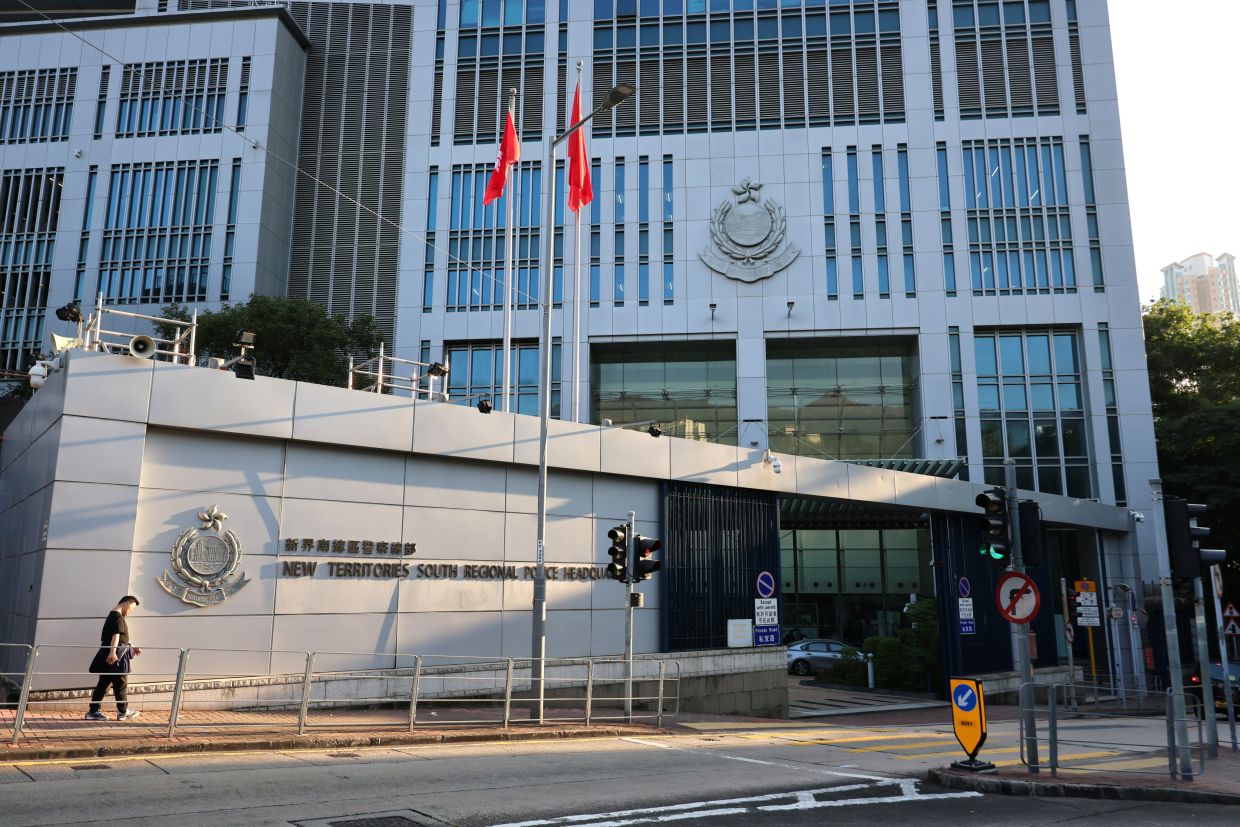
A 32-year-old police officer working in Hong Kong's Kwai Tsing district has been charged with misconduct in public office after an investigation revealed he sent sexually explicit text messages and images to a woman connected to a criminal case. The officer, detained by New Territories South regional crime unit personnel in Tuen Mun on August 20, now faces formal allegations that his conduct violated public trust and professional standards within the force.
The incident originated from a police investigation that commenced in May of the previous year. While examining details related to a criminal case, the officer allegedly initiated contact with a woman who was known to one of the suspects under investigation. Rather than maintaining professional boundaries appropriate to his position, he proceeded to transmit indecent text communications and explicit imagery to this individual through digital channels.
The woman, recognizing the inappropriate and concerning nature of these communications from someone wielding official authority, reported the matter to police. Her complaint arrived later that same month and triggered a formal internal investigation into the officer's conduct. This chain of events demonstrates how civilian reporting remains essential for maintaining accountability within law enforcement agencies, particularly in cases where power imbalances and authority might otherwise discourage victims from coming forward.
Following what police described as comprehensive inquiries into the allegations, prosecutors determined there was sufficient evidence to proceed with formal charges. The single count of misconduct in public office represents a serious allegation within Hong Kong's legal framework, as it addresses the fundamental question of whether an officer has abused or betrayed the trust placed in them by virtue of their position. The charge carries significant implications for the officer's career and standing within the police service.
The officer was scheduled to make an appearance in Sha Tin Court on Friday, where he would face the charges and the judicial process would commence. His legal proceedings will likely attract scrutiny from both the police administration and the public, given the sensitive nature of allegations involving authority abuse and the misuse of an official position to contact a civilian.
Pending the outcome of court proceedings, the Hong Kong Police Force has suspended the officer from active duty. This precautionary measure prevents him from continuing to perform police functions while the allegations are adjudicated, thereby insulating both the public and the investigation from any potential complications. The suspension also signals the force's acknowledgment of the seriousness of the charges and signals institutional concern about the officer's fitness to continue exercising police powers.
Official police representatives responded to the incident by emphasizing that the force maintains rigorous standards regarding officer conduct and comportment. A police spokesman stated unequivocally that the organisation attached substantial importance to how individual officers conduct themselves in their professional and potentially personal capacities. This commitment to high standards reflects broader efforts by the police service to maintain public confidence and institutional credibility, particularly following various controversies and tensions that have characterised Hong Kong's police-community relations in recent years.
The spokesman further underscored that the force operates a zero-tolerance policy toward unlawful behaviour within its ranks. Officials indicated that misconduct cases would be addressed through serious and comprehensive enforcement mechanisms. This rhetorical commitment to accountability attempts to demonstrate to the public that the police force takes internal discipline seriously and will not shield officers engaged in misconduct merely because of their official status.
This case resonates across the broader Southeast Asian region as a reminder of persistent challenges facing law enforcement agencies worldwide—the need to maintain professional standards, prevent the abuse of authority, and establish mechanisms through which civilians can report misconduct without fear of retaliation or dismissal. For Malaysia, where police reform and accountability remain ongoing concerns within both governmental and civil society discussions, the Hong Kong case illustrates how even well-established police forces must remain vigilant against individual officers who exploit their position for personal or inappropriate purposes.
The incident also highlights the vulnerability of individuals swept into criminal investigations who may encounter officers willing to cross professional boundaries. The fact that the recipient of the indecent communications was connected to a suspect—rather than a direct party to the investigation—underscores how abuse can extend beyond formal investigative subjects to encompass their associates and family members. This dynamic compounds concerns about power imbalance and potential intimidation within police interactions.
As the case progresses through Hong Kong's courts, it will likely generate discussion about selection, training, and supervision procedures within police organisations, particularly regarding how institutions can better equip officers to maintain professional boundaries and how supervisory structures can identify problematic behaviour before it escalates to formal allegations. The outcome may also influence conversations within other jurisdictions about establishing clearer protocols for investigating internal misconduct and protecting complainants who report police impropriety.

